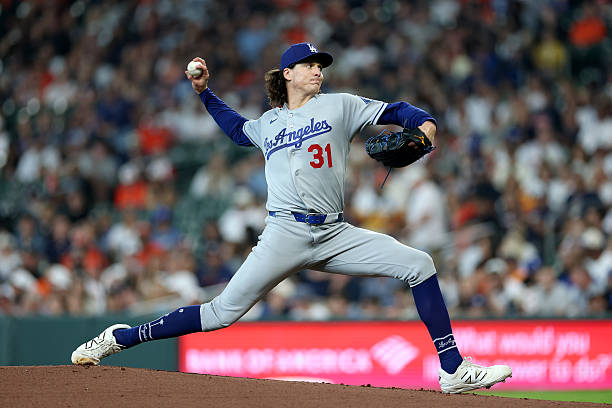

The Los Angeles Dodgers are dealing with another major blow to their World Series defense after star pitcher Tyler Glasnow was officially placed on the 15 day injured list with lower back spasms, intensifying concerns about the club’s increasingly fragile rotation depth early in the 2026 MLB season.
Glasnow’s latest injury setback came just days after the right-hander abruptly exited his start against the Houston Astros following only one inning. At first, the Dodgers attempted to downplay the severity of the issue, with manager Dave Roberts suggesting the discomfort appeared manageable. But after further evaluation and continued soreness, Los Angeles decided the safest move was to shut him down temporarily rather than risk a more serious long term problem.
The timing could hardly be worse for the Dodgers, who are already navigating one of the most demanding stretches of their schedule. The club enters a difficult run featuring high-stakes series against the Atlanta Braves and San Francisco Giants while trying to maintain control of the National League West standings. Glasnow had quietly become one of the stabilizing forces in the rotation, posting a dominant 3-0 record with a 2.72 ERA through seven starts before the injury interruption.
Even more frustrating for the Dodgers is the fact that Glasnow was pitching some of the best baseball of his career before the setback. During his abbreviated outing against Houston, he recorded his 1,000th career strikeout and became the fastest starting pitcher in MLB history to reach the milestone in just 793 innings pitched. The achievement briefly highlighted his elite form before the injury immediately shifted the conversation surrounding Los Angeles’ pitching staff.
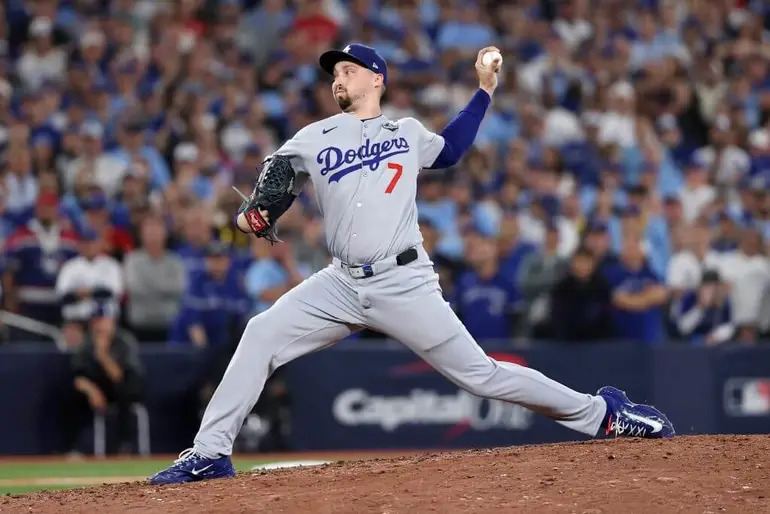
Los Angeles now faces immediate pressure to reshuffle its pitching plans, and that process has already begun. The Dodgers accelerated Blake Snell’s return timeline, confirming the two-time Cy Young winner will make his season debut against Atlanta this weekend after recovering from shoulder fatigue. Snell was originally expected to make another rehab appearance in the minors, but Glasnow’s injury forced the organization to fast-track his activation.
That decision underscores just how thin the Dodgers’ rotation has suddenly become despite entering the year with one of the deepest pitching staffs in baseball. Roki Sasaki, Emmet Sheehan, and Justin Wrobleski are now expected to shoulder heavier workloads while the team evaluates longer-term solutions. Among that group, Wrobleski has emerged as a surprising bright spot, dominating opponents with a microscopic ERA since joining the rotation. Sasaki, meanwhile, continues adjusting back to starting duties after his postseason bullpen role last year.
The bullpen will also feel the impact of Glasnow’s absence. Los Angeles already burned through multiple relievers after his early exit against Houston, creating a ripple effect that forced emergency roster moves. The Dodgers recalled towering right-hander Paul Gervase from Triple-A Oklahoma City to provide additional innings coverage as the club braces for nearly two straight weeks without an off day.
For a franchise with championship expectations, the growing injury list is becoming impossible to ignore. The Dodgers have already managed multiple health concerns involving key contributors this season, and Glasnow’s absence now places even more pressure on stars like Shohei Ohtani, Freddie Freeman, and Mookie Betts to carry the club offensively while the pitching staff regroups. The situation also mirrors several recent latest MLB injury updates that have shaken contenders across the league.
There is still optimism inside the organization that this situation will not spiral into a long-term crisis. Glasnow himself described the back spasms as a recurring issue he has dealt with since high school, referring to them previously as “random tall guy back spasms.” The Dodgers believe rest and careful management could allow him to return quickly without significant structural damage.
But the bigger concern is becoming increasingly obvious across baseball. Every season, the Dodgers assemble one of baseball’s deepest superteam rosters, yet October ambitions continue to depend on whether their elite pitchers can remain healthy long enough to survive a grueling season. Glasnow’s latest setback is another reminder that even baseball’s biggest powerhouse remains vulnerable when frontline arms begin breaking down.