
The International Committee of the Red Cross has visited approximately 8,000 prisoners of war held by Russia and Ukraine since the start of the conflict in February 2022, according to the head of the organization’s delegation in Moscow, revealing the enormous scale of wartime detentions that have become one of the least visible fronts of the war.
Rania Mashlab, who leads the ICRC office in Moscow, told RIA Novosti on Monday that the humanitarian organization had carried out visits on both sides of the front line but that “the majority” of the prisoners visited were Russian servicemen held in Ukraine.
“We have managed to visit 8,000 prisoners of war since the beginning of the conflict on both sides, but predominantly in Ukraine,” Mashlab said.
The comments offer one of the clearest public indicators yet of the scope of the prisoner-of-war system that has emerged during the conflict, where thousands of Russian and Ukrainian soldiers have disappeared into military detention centers, makeshift camps, and classified prison facilities far from the battlefield.
The Geneva Conventions require all parties in an international conflict to provide humanitarian organizations such as the ICRC with access to prisoners of war. The Red Cross says its visits are intended to verify detention conditions, monitor treatment, facilitate communication with relatives, and document humanitarian concerns privately with authorities.
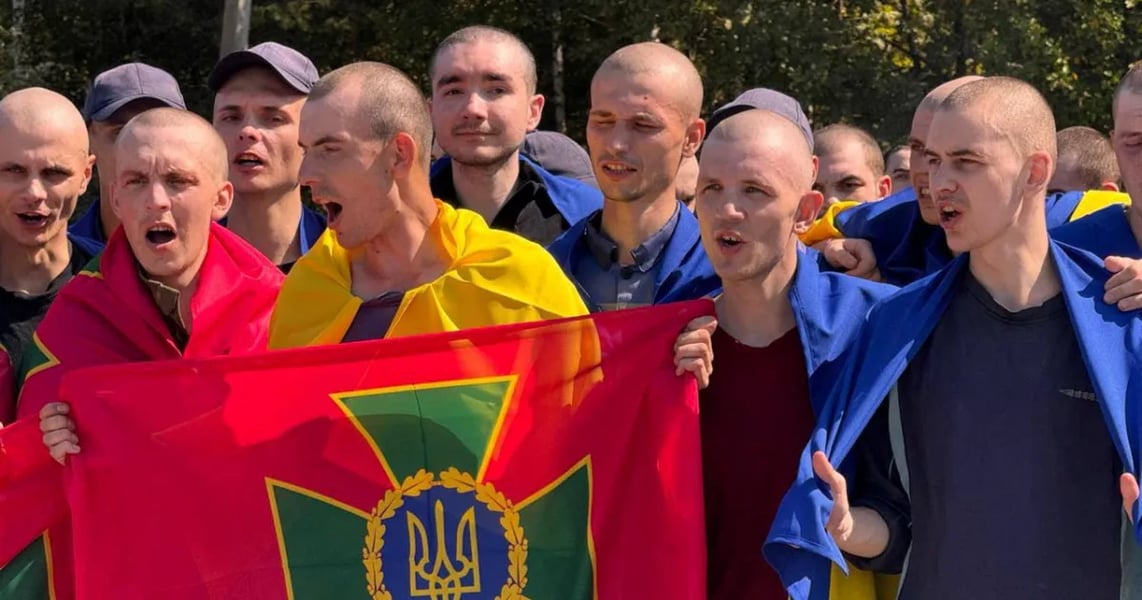
Since the war escalated in 2022, Russia-Ukraine prisoner exchanges have become one of the few functioning diplomatic mechanisms still operating during the conflict. Hundreds of soldiers have been exchanged in periodic negotiations brokered through intermediaries including the United Arab Emirates, Turkey, and Qatar.
Recent Reuters report on Russia and Ukraine POW swap operations have continued despite intensifying fighting across multiple sectors of the front line, underscoring how humanitarian channels remain active even as broader peace efforts remain stalled.
But humanitarian organizations and families on both sides have repeatedly complained about limited information regarding detainees, restricted access to detention sites, and the absence of transparent prisoner registries.
The ICRC has consistently stated that it still does not have unrestricted access to all POW facilities linked to the conflict. In several public statements regarding Red Cross efforts to access POW facilities, the organization acknowledged that many detainees remain inaccessible despite repeated requests made under international humanitarian law.
Mashlab said the exact figures remain confidential, reflecting the Red Cross’ longstanding policy of conducting sensitive humanitarian work through private negotiations with governments rather than public accusations.
“I cannot provide any more specific figures, this is strictly confidential information,” she said.
The confidentiality policy has generated criticism from both Ukrainian and Western officials, some of whom accuse the organization of failing to pressure Russia hard enough over access to Ukrainian prisoners. Ukrainian officials have previously argued that the overwhelming majority of POW visits occurred inside Ukraine rather than Russian-controlled detention facilities.
At the same time, Moscow has accused Western governments and media organizations of politicizing humanitarian issues surrounding prisoners and exchanges.
The POW issue has become increasingly central to the emotional and political dynamics of the war. In both Russia and Ukraine, returning prisoners are portrayed as symbols of national sacrifice and endurance, while families of missing soldiers continue pressuring authorities for answers about relatives who vanished on the battlefield.
According to ICRC data published earlier this year, nearly 193,000 missing-person cases linked to the war have been reported to the organization by families from both sides since 2022.
The humanitarian burden created by the conflict has expanded far beyond the battlefield itself. Alongside POW operations, the ICRC says it has facilitated the exchange of personal messages between detainees and families, supported repatriation operations involving deceased soldiers, and coordinated vulnerable civilian transfers across borders.
International humanitarian law specialists say prisoner treatment and detention access may eventually become a major focus of future legal and diplomatic disputes tied to the conflict.
Human rights organizations and Western legal analysts have accused Russia of systematic abuses against Ukrainian prisoners, allegations Moscow denies. Russian officials and media have meanwhile accused Ukraine of mistreating Russian captives and selectively restricting humanitarian monitoring.
A growing crisis of international humanitarian law has emerged around prisoner treatment, detention transparency, and monitoring access as the war drags deeper into its fourth year.
The ICRC has repeatedly emphasized that its role is humanitarian rather than political and that maintaining dialogue with all sides is necessary to secure access to detainees.
In public statements over the past year, the organization said it continues pressing both Russia and Ukraine for broader and repeated access to all prisoners of war, warning that many families remain trapped in uncertainty with little or no information about missing relatives.
Analysts say the continuation of prisoner exchanges and humanitarian negotiations could eventually serve as a foundation for broader diplomatic contacts if serious ceasefire discussions resume in the future.
Recent reports on a possible ceasefire and prisoner exchange agreement highlighted how humanitarian diplomacy remains one of the few active lines of communication between Moscow and Kiev.
The broader geopolitical implications of these negotiations are already reshaping debates across Europe, where divisions over the future of the conflict continue to deepen amid mounting battlefield and economic pressures.