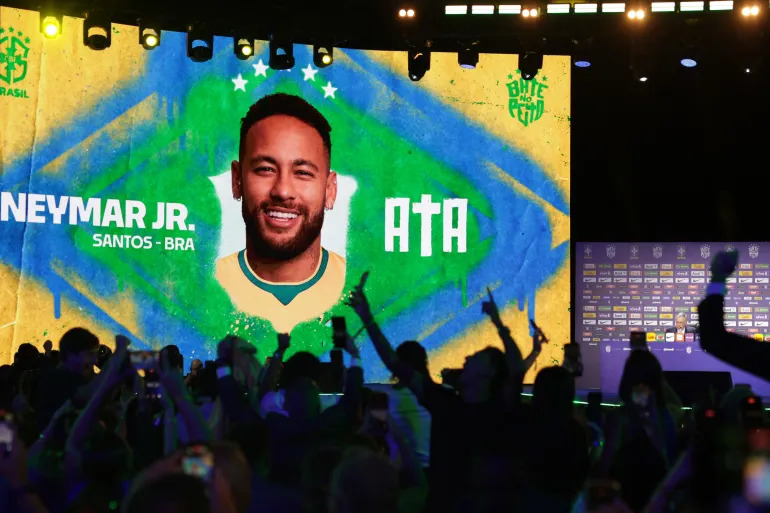

Brazil have officially unveiled their 26-man squad for the 2026 FIFA World Cup, with Carlo Ancelotti making a series of bold selection calls that immediately triggered global discussion. The headline decision is the return of Neymar, while Chelsea forward Joao Pedro has been left out in one of the most surprising omissions of the entire squad announcement cycle.
The announcement places Brazil once again at the center of world football attention as they prepare for a new era under Ancelotti, combining elite experience with emerging talent in pursuit of a record-extending sixth World Cup title.
Neymar’s Emotional Return to the World Stage
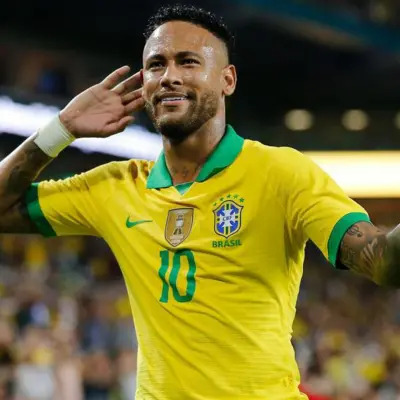
Neymar’s inclusion is the defining storyline of Brazil’s squad reveal. After a difficult period marked by serious injury setbacks and long rehabilitation, the forward has been named in the final squad following improved fitness and competitive return to action.
His selection has been widely interpreted as a reward for resilience and sustained recovery. According to reports, Neymar’s place in the squad comes after careful evaluation of his physical condition and ability to perform at tournament intensity, reinforcing his status as a key figure in Brazil’s attacking structure.
The emotional weight of his comeback is further amplified by his long recovery journey after major injury setbacks, which threatened to derail his international career at a crucial stage.
Neymar’s recovery journey a\fter major injury setbacks remains one of the most defining narratives in modern Brazilian football.
Carlo Ancelotti’s Bold Vision for Brazil
Under Carlo Ancelotti, Brazil’s squad reflects a clear strategic direction built around tactical balance and tournament experience. The Italian coach has prioritized adaptability, ensuring the team can shift between possession-based control and high-tempo attacking transitions.
Ancelotti’s managerial approach has long been associated with elite squad management and calm decision-making under pressure. His influence is already shaping Brazil’s identity ahead of the tournament.
Carlo Ancelotti’s managerial reputation and tactical leadership underscores why Brazil entrusted him with guiding their World Cup project.
Joao Pedro Omission Sparks Major Debate
One of the most controversial aspects of the squad announcement is the exclusion of Chelsea striker Joao Pedro. Despite a strong season at club level and growing expectations around his international future, he was not included in the final 26-man list.
The decision has generated widespread reaction across Brazil and Europe, with analysts divided over whether form or experience should have been prioritized in such a high-pressure tournament selection.
Brazil squad selection controversy and Joao Pedro omission reaction has become a central talking point in global football coverage, reflecting the intensity of debate surrounding Ancelotti’s choices.
The omission highlights the competitive depth of Brazil’s attacking pool, where even strong club performances do not guarantee a place in the final World Cup squad.
Brazil’s Squad Built for Tactical Flexibility
Brazil’s attacking lineup for the tournament includes Vinícius Júnior, Raphinha, Gabriel Martinelli, Endrick, and Matheus Cunha, offering a wide range of tactical options.
This group provides Brazil with the ability to adapt to different opponents, whether through high-press transitions or controlled possession phases. Neymar’s return adds another creative dimension, potentially serving as both a starter and an impact substitute depending on match situations.
The final squad has been registered officially as part of the tournament preparations, confirming Brazil’s participation with a balanced mix of youth and experience.
official Brazil World Cup squad profile and tournament registration provides the formal squad framework as Brazil begin their World Cup campaign planning.
Pressure Builds Ahead of Tournament Kickoff
Brazil enter the 2026 World Cup under significant global scrutiny, with expectations intensified by Neymar’s return and the high-profile nature of the squad selection decisions.
Carlo Ancelotti’s leadership will be tested early as Brazil aim to establish momentum in the group stage while managing internal competition for starting positions.
The broader context of international football planning has increasingly focused on long-term squad construction and tournament readiness, particularly in elite national teams preparing for World Cup cycles.
Brazil’s long-term World Cup squad planning approach reflects the growing importance of structured preparation across global football programs.
Meanwhile, Ancelotti’s broader coaching reputation continues to influence expectations around Brazil’s tactical discipline and game management at major tournaments.
Carlo Ancelotti’s managerial reputation and tactical leadership further reinforces the credibility behind Brazil’s strategic direction heading into the competition.
Conclusion
Brazil’s 2026 World Cup squad announcement is both a statement of intent and a source of controversy. Neymar’s return represents experience, leadership, and redemption, while Joao Pedro’s exclusion highlights the ruthless nature of elite international selection.
Under Carlo Ancelotti, Brazil are clearly building a squad designed for tactical flexibility and knockout-stage resilience. Whether this blend of experience and emerging talent delivers a sixth World Cup title will define the legacy of this selection cycle.