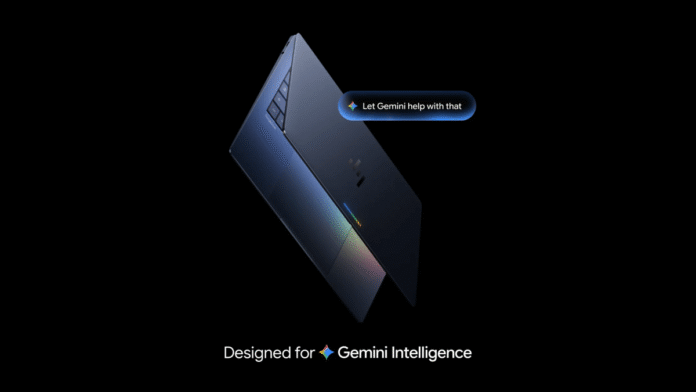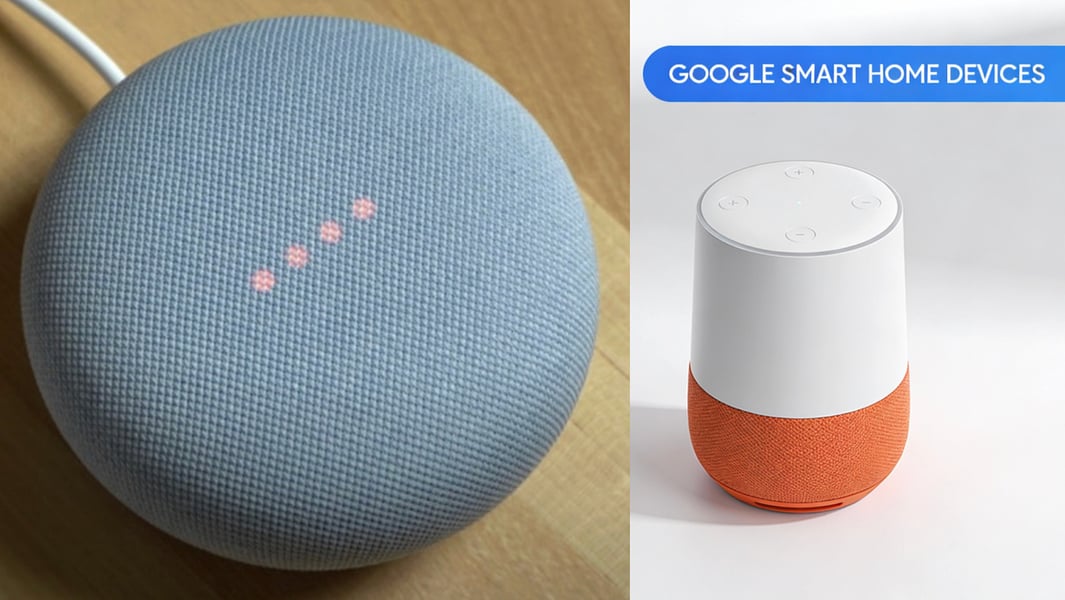

Google is accelerating a major shift in the smart home industry with the expansion of Gemini for Home, bringing advanced AI capabilities to speakers, displays, and third-party devices. The move signals a deeper transformation in how connected homes operate, as conversational AI becomes the central control layer for automation, entertainment, and daily routines.
At the center of this rollout is Google’s effort to replace traditional assistant interactions with more natural, context-aware conversations that adapt over time and across devices.
Gemini expands beyond Nest devices into a wider ecosystem
Google is extending Gemini for Home beyond its own hardware lineup and into third-party smart devices, allowing manufacturers to integrate AI capabilities directly into their products. This expansion is designed to unify the smart home experience under a single AI layer, regardless of brand or device type.

Industry reporting also confirms that Gemini is now being positioned as a cross-device intelligence system, extending into televisions, speakers, and connected appliances through broader ecosystem integration.
Smart home AI moves toward subscription-based control layers
The expansion of Gemini is happening alongside a noticeable shift toward subscription-driven smart home features. Advanced capabilities such as intelligent automation, enhanced voice processing, and predictive device control are increasingly tied to premium tiers.
This reflects a broader industry trend where hardware is no longer the primary revenue driver, replaced instead by recurring software-based intelligence services. The growing debate around affordability and accessibility is explored in AI subscription model shift, which highlights how AI-powered ecosystems are redefining digital consumer costs.
Analysts warn that this model could lead to subscription fatigue as more everyday devices rely on paid AI features.
How Gemini changes smart home interaction
With Gemini for Home, Google is moving away from rigid command-based systems toward more fluid and conversational control. Users can issue multi-step instructions, combine requests, and rely on contextual memory across devices.
The platform also introduces deeper integration across hardware ecosystems, allowing smart devices to respond more intelligently to user behavior patterns. These improvements align with broader upgrades in Gemini smart device expansion, where system-wide stability and automation improvements are being prioritized.
Google’s long-term goal is to turn the smart home into a responsive AI environment that anticipates user intent rather than simply reacting to commands.
Developer ecosystem and platform expansion
Google is also strengthening its developer ecosystem by opening Gemini capabilities to service providers and hardware manufacturers. This allows third parties to build custom smart home experiences on top of Google’s AI infrastructure.
These tools enable advanced automation systems, improved contextual recognition, and smarter integrations across connected environments. The expansion of these capabilities is part of a broader rollout described in Gemini developer tools platform.
This strategy positions Gemini not just as an assistant, but as a foundational intelligence layer for the entire connected device ecosystem.
Android and cross-platform AI integration
Gemini’s expansion is not limited to smart speakers or home devices. Google is also integrating its AI system more deeply into Android and other platforms, creating a unified intelligence experience across mobile, home, and cloud services.
The broader shift in mobile AI integration is reflected in Gemini Android smart upgrade, where Android systems are increasingly aligned with Google’s AI-first strategy.
This cross-platform approach reinforces Google’s vision of a single AI system operating across all user environments.
Rising concerns over AI costs and smart tech fatigue
Despite rapid innovation, the shift toward AI-powered smart homes raises concerns about long-term affordability. As more features become subscription-based, users may face increasing costs to maintain full functionality across devices.
This growing concern is highlighted in discussions around subscription overload and AI infrastructure pricing pressures, including system-level changes documented in Gemini desktop AI automation.
Industry observers suggest that while AI makes smart homes more capable, it also introduces a new dependency on paid digital ecosystems that may reshape consumer expectations.
The future of Google’s smart home strategy
Google’s long-term vision for Gemini for Home is centered on creating an AI-native environment where every connected device contributes to a unified intelligence system. This includes predictive automation, contextual awareness, and cross-device continuity.
As Gemini expands across hardware partners, developers, and platforms, Google is effectively building a universal AI operating layer for the home.
External sources further confirm this direction, including official rollout documentation at Gemini for Home official rollout details and ecosystem updates described in Gemini for Home ecosystem launch overview.
Developer expansion efforts are supported through Gemini for Home developer platform expansion, while industry reporting on pricing pressures is reinforced by smart home AI subscription cost increase analysis.
Third-party integration momentum is also confirmed through hardware partnerships reported at Gemini third-party smart device integration.
As smart homes become increasingly AI-driven, the balance between convenience, cost, and control will define the next phase of Google’s ecosystem strategy.