
MUMBAI — The board of Tata Sons, the holding company at the centre of India’s $400 billion-plus Tata Group, meets on Tuesday for one of the most closely watched sessions in years, with the future direction of the conglomerate, the question of a public listing, and the working relationship between two of its most powerful figures all on the table.
Chairman N. Chandrasekaran is expected to present detailed turnaround plans for five group companies, including Air India, Tata Digital, and Tata Electronics, the semiconductor and assembly venture that has consumed a large share of fresh capital over the past two years. The presentations are being framed internally as a defence of the heavy investment cycle that has marked Chandrasekaran’s tenure and that has drawn sharp questions from Tata Trusts.

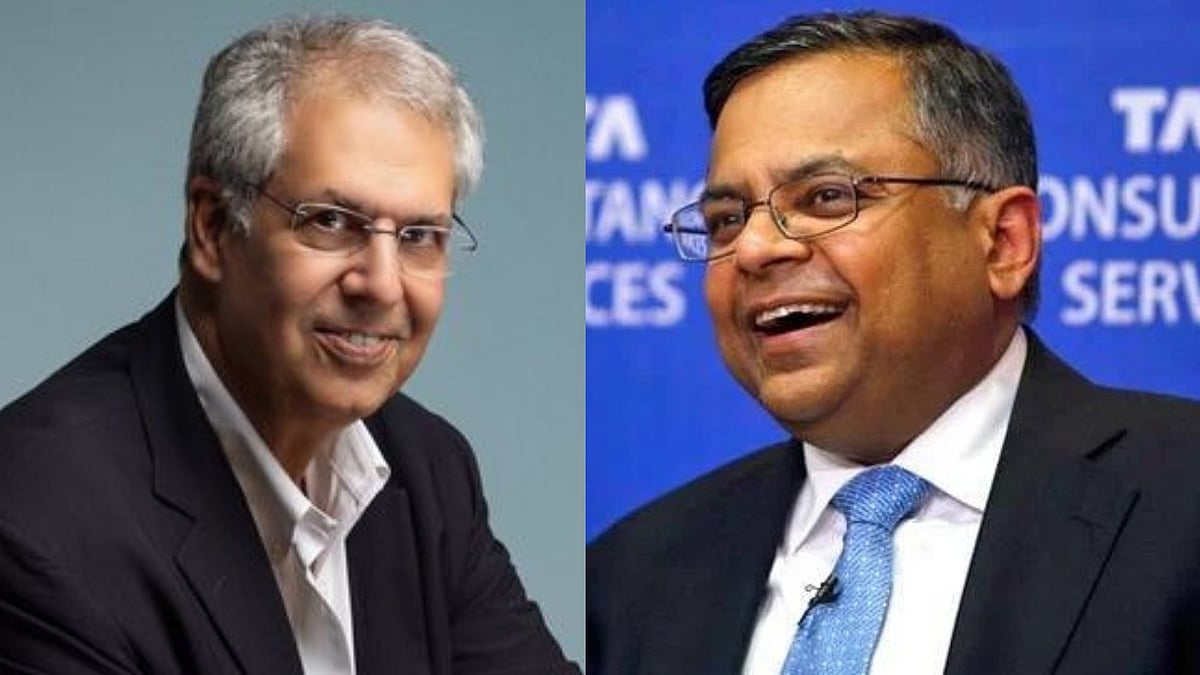
Tata Trusts, the philanthropic body that holds a 66 percent stake in Tata Sons, is chaired by Noel Tata. He has emerged as the most consequential figure in the Tata ecosystem since the death of his half-brother Ratan Tata in October 2024. At the previous Tata Sons board meeting on February 24, Noel Tata raised a series of concerns including high-risk investments, mounting losses in newer ventures, the proposed exit of the Shapoorji Pallonji Group from its 18.4 percent stake, and an explicit instruction that the holding company should remain unlisted.
People familiar with the boardroom dynamics have described the period since that meeting as unusually strained, with limited direct communication between the two chairmen. A closed-door meeting between Noel Tata and Chandrasekaran ahead of Tuesday’s session was arranged to break the impasse and to allow Chandrasekaran to walk the Trusts chairman through the presentations before they reach the full board.
The most explosive item on the agenda is the question of a public listing. Tata Sons came under regulatory spotlight after the Reserve Bank of India classified it as an upper-layer non-banking financial company in 2022, a designation that mandates listing within three years. To sidestep that requirement, Tata Sons surrendered its core investment company registration in 2024 and pared down debt at the holding company level. The central bank has not yet communicated a decision on Tata Sons’s request for exemption from mandatory listing rules, leaving the issue hanging.
Proxy advisory firm InGovern has argued publicly that the internal differences within Tata Trusts and the unresolved listing question strengthen the case for taking Tata Sons public. A listing, the firm has contended, would force greater disclosure of the holding company’s financials, introduce independent oversight, and provide the Shapoorji Pallonji Group with a market-priced exit route. Tata Trusts has consistently pushed back, arguing that listing would dilute its philanthropic mission and risk fragmenting control over a group that traces its history back to the nineteenth century.
The other big item is the proposed exit of the Shapoorji Pallonji Group, the Mistry family business that has held a stake in Tata Sons since 1965. The SP Group has been seeking to monetise its 18.4 percent holding to reduce debt at the parent company. Negotiations have stretched for more than a year. Discussions have yet to yield an agreement on price or structure, and the absence of a listed market reference makes valuation a contested exercise. The shadow of Cyrus Mistry, the SP Group scion who was ousted as chairman of Tata Sons in 2016 and who died in a road accident in 2022, still hangs over the conversation.
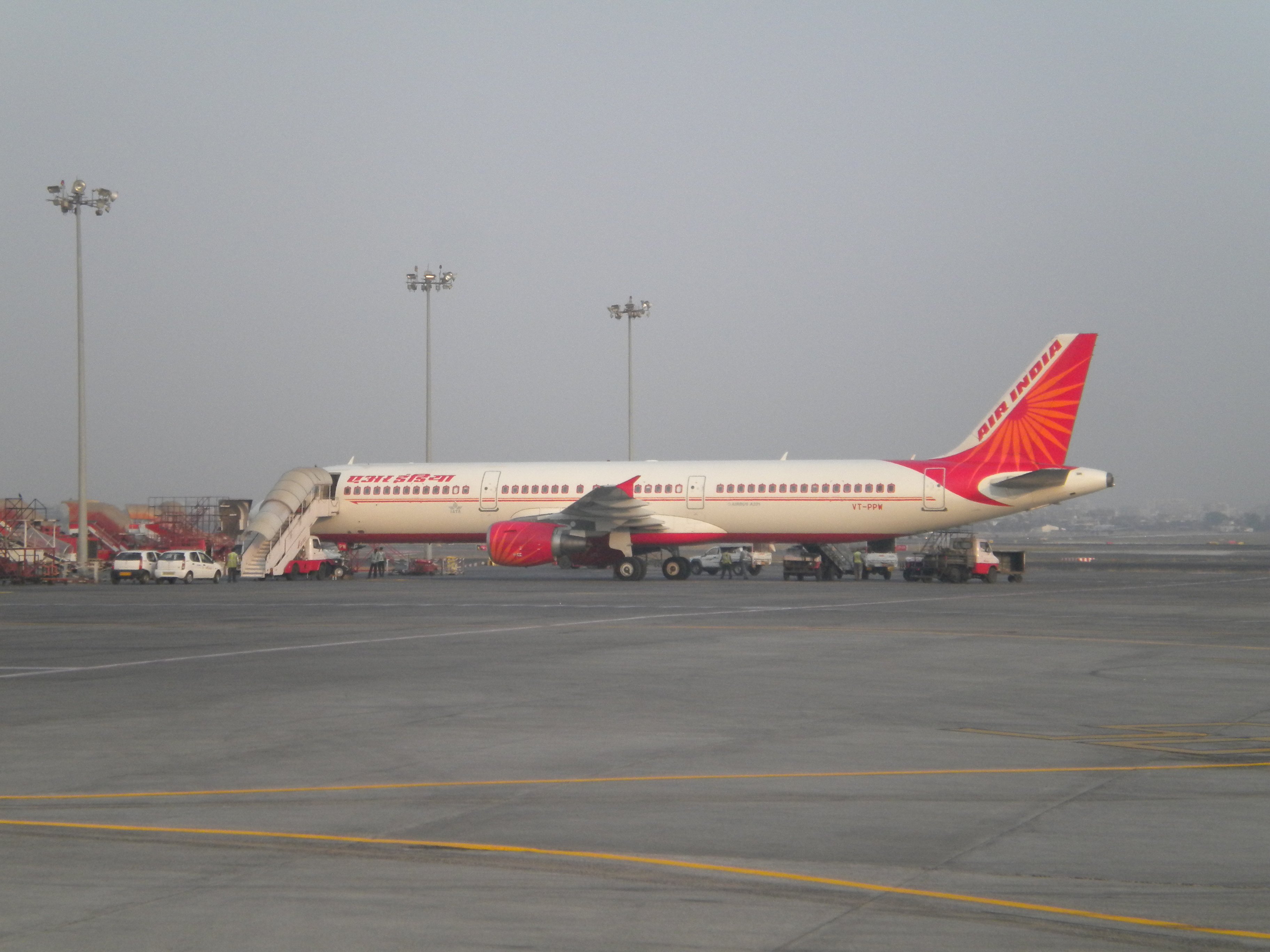
The five turnaround presentations Chandrasekaran is expected to lead address some of the most capital-intensive bets of his tenure. Air India, acquired from the government in early 2022, has been undergoing a multi-billion-dollar restructuring that includes fleet renewal, route rationalisation, and the merger with Vistara. Tata Digital, the parent of the Tata Neu super-app, has accumulated significant losses as it builds out its consumer technology footprint. Tata Electronics is constructing semiconductor fabrication and assembly facilities in Gujarat and Assam, projects that have absorbed several billion dollars of equity infusion.
For each of these businesses, the central question for the board is the same. How much more capital is required, what are the realistic timelines to break-even, and what is the path back to the kind of compounding return profile that the Trusts have historically expected from Tata Sons? Tata Trusts derives the bulk of its philanthropic spending power from dividends paid by the holding company, and any sustained drag on those payouts directly affects the scale of grants the group can make.
The broader market is watching closely. The Tata Group includes 26 publicly listed companies with a combined market capitalisation of more than $365 billion, including Tata Consultancy Services, Tata Steel, Tata Motors, Titan, and Trent. Any structural change at the holding company level, whether a listing, a reorganisation, or a recapitalisation, would ripple across that broader corporate empire.
Whatever the board decides on Tuesday, the meeting will mark a turning point. If Chandrasekaran wins broad endorsement for the turnaround plans and a clearer alignment with Tata Trusts on capital allocation, the group can move past the recent strain and focus on execution. If the listing question is escalated rather than resolved, or if Noel Tata’s reservations are formally minuted, the path ahead becomes far more uncertain. The board’s verdict will shape how investors view India’s most influential conglomerate for years to come.
Related Posts