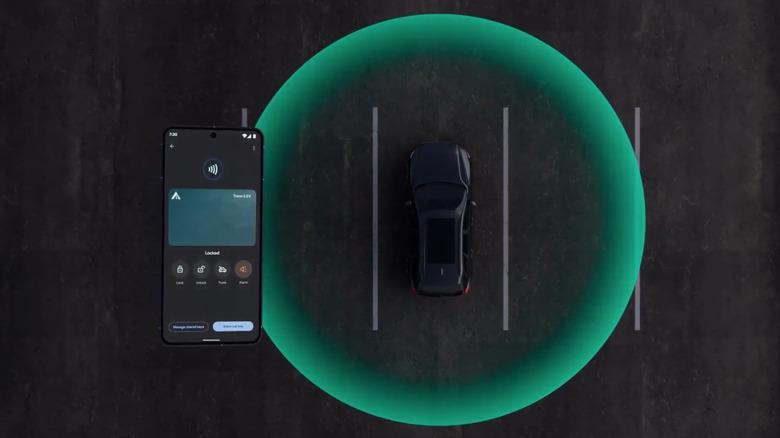

Google is pushing deeper into the future of keyless driving with a major update to Google Wallet official overview that could dramatically change how people share access to their vehicles. The company has introduced new digital car key sharing controls that allow Android users to assign different permission levels to friends, family members, or even temporary drivers such as valet staff and mechanics. The move positions Google Wallet as more than just a payment platform and pushes it closer to becoming a full-fledged digital identity and access hub.
The update arrives through a Google Play system update and adds three new sharing roles for digital car keys: co-owner, guest, and service. Previously, users could share a digital key with trusted contacts, but access management was relatively basic. The new system now allows vehicle owners to control how much authority each recipient receives, mirroring the flexibility of handing over a physical key with limitations attached.
Under the updated setup, a co-owner can receive nearly unrestricted vehicle access, including unlocking, locking, and potentially driving privileges depending on the automaker’s implementation. A guest profile offers more limited permissions suitable for family members or occasional drivers, while the new service role is designed specifically for mechanics, parking attendants, or car wash staff who only need temporary and restricted access.
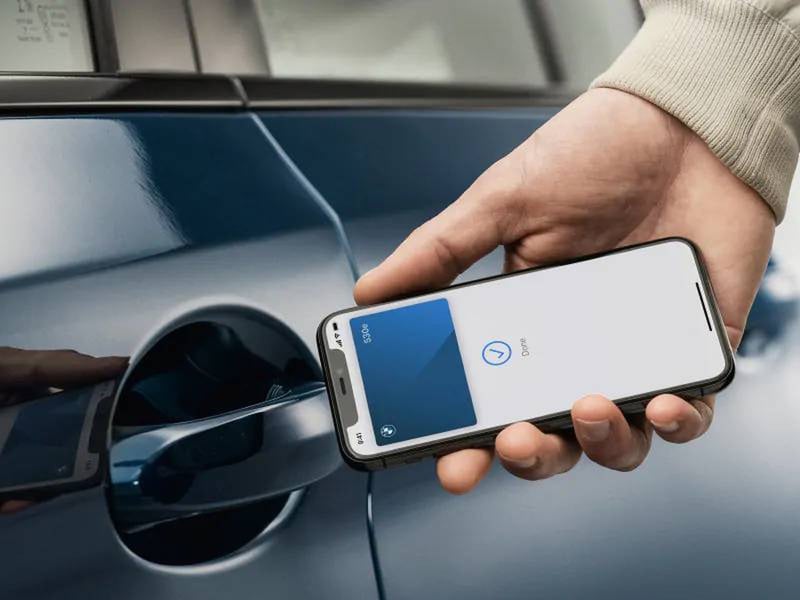
To share a key, users open Google Wallet, select their digital key, tap the “Share car key” option, authenticate with biometrics, and then choose a recipient. A secure passcode can also be attached during the process for additional protection. The experience closely resembles Apple Wallet car key sharing, but Google’s latest additions appear aimed at making permission management more granular and practical for real-world use.
The timing is important because smartphone-based vehicle access is expanding beyond luxury brands. More automakers are building support for the Car Connectivity Consortium’s Digital Key standard, which allows phones and smartwatches to function as secure vehicle credentials. According to compatibility databases and manufacturer documentation, support now spans multiple Android devices, Samsung phones, Pixel devices, and iPhones across a growing number of vehicle brands.
Google is also emphasizing the security advantages of digital keys over traditional fobs. The company says digital car keys use advanced encrypted communication methods and can be remotely suspended or revoked if a device is lost or stolen. Owners can instantly stop sharing access without physically recovering a key from another person, something impossible with conventional hardware keys. The broader push also aligns with growing concerns around broader Android ecosystem security challenges and the importance of secure element hardware protection.
Another major advantage is cross-platform digital key interoperability. Android and iPhone users are increasingly able to share compatible digital car keys between ecosystems, reducing one of the biggest pain points in earlier implementations. This interoperability is becoming critical as families and businesses often operate across mixed-device environments.
The automotive industry is simultaneously racing toward “phone-as-a-key” systems that integrate passive entry, remote start, and personalized vehicle settings. Some modern vehicles can automatically unlock as the owner approaches with their phone, while others allow the engine to start without ever taking the device out of a pocket. Google Wallet’s upgraded sharing controls suggest the company expects digital credentials to become a central part of connected mobility experiences over the next several years.
The update may also help Google compete more aggressively with Apple in the automotive ecosystem. Apple Wallet has supported digital car key sharing for some time, including customizable permissions and one-time activation codes. Google’s newer system appears designed to close that gap while adding flexibility tailored to Android’s wider hardware ecosystem and the Android Auto platform.
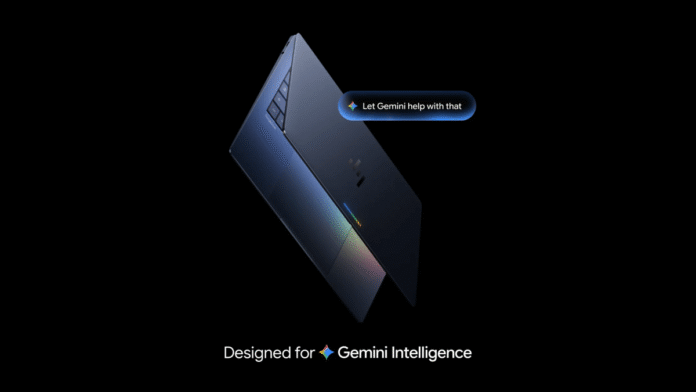
Google’s broader ambitions also connect with the company’s expanding AI ecosystem. Features powered by Gemini Intelligence, deeper integration through Android AICore, and the growing Android passkey ecosystem suggest Google is steadily transforming Android into a unified identity and access platform.
Google’s rapid rollout strategy is also tied to its rapid Android update cycle, allowing features to arrive through modular services instead of full operating system upgrades. Security protections such as anti-rollback security further highlight how Google is hardening Android’s credential infrastructure.
The Wallet redesign direction also fits with Android’s evolving “Material 3 Expressive” identity, which is increasingly focused on contextual services, personalization, and intelligent system-level experiences.
Still, availability remains limited by automaker support. Digital car keys currently work only with select vehicles and compatible smartphones, typically newer flagship Android devices running Android 12 or later. Google notes that compatibility varies depending on vehicle hardware, software updates, and regional availability through its Android digital car key support documentation.
Even with those limitations, the direction of travel is becoming clear. Physical car keys are slowly turning into backup accessories rather than everyday necessities. As digital wallets evolve from payment tools into secure credential managers, the smartphone is steadily replacing another object people once carried everywhere. Google’s long-term vision around Gemini Intelligence across devices suggests that phones, cars, wearables, and digital identities could soon operate as a single connected ecosystem.