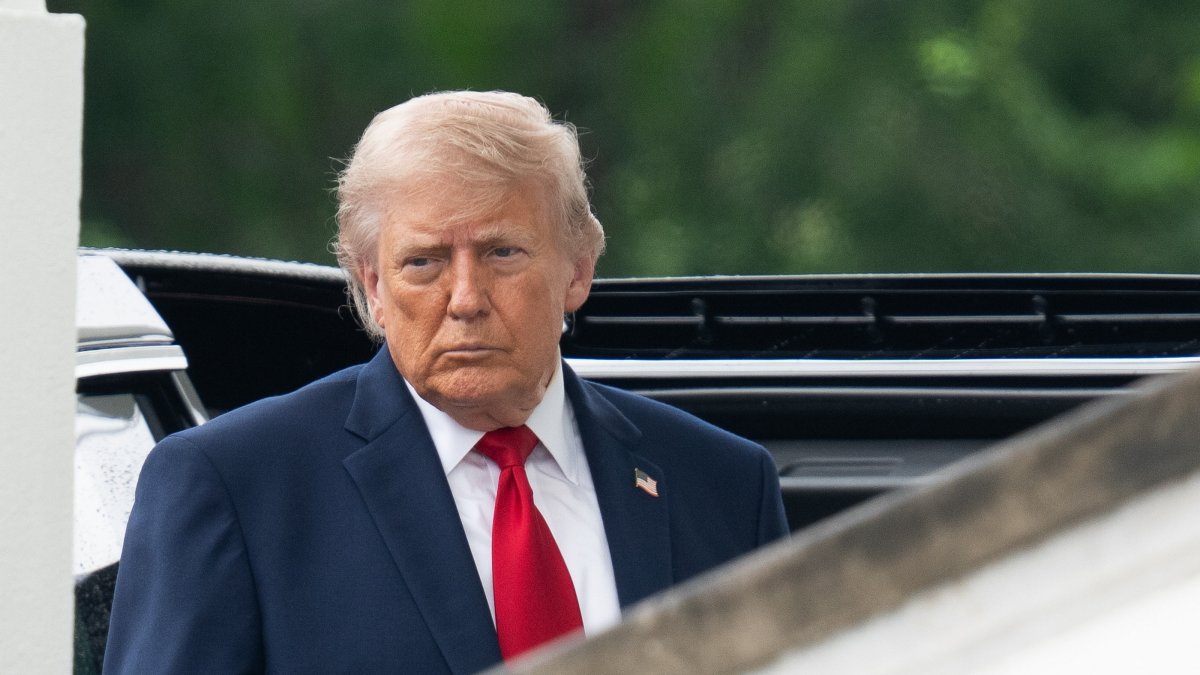

President Donald Trump made clear on Wednesday that billions of dollars in Iranian assets frozen under American sanctions would remain locked away indefinitely, to be released only if Tehran meets unspecified conditions of acceptable conduct, a formulation that deepened uncertainty over whether a deal to end the three-month-old war is truly within reach.
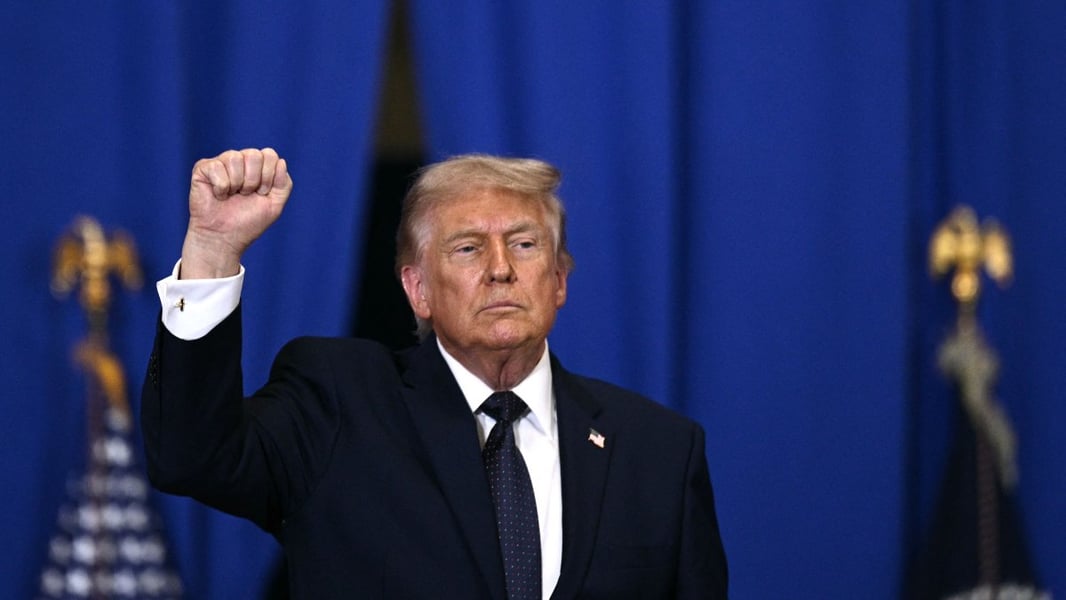
“We have control of money that they claim is theirs,” Trump told reporters at the start of a Cabinet meeting at the White House. “We’ll keep control of that money. When they behave properly, and when they do what’s right, we’ll let them have their money.”
The remarks drew an unusually sharp line around the asset question, separating it entirely from the ongoing ceasefire negotiations and from any formal exchange. “One thing is not contingent on the other,” Trump said, undercutting Iran’s public position that the return of its foreign holdings was a non-negotiable precondition for any lasting settlement.
The Cabinet meeting came at a precarious juncture. Trump entered the room projecting confidence, insisting that Iran was “negotiating on fumes” and that its economy had fundamentally broken down. But behind the display of strength lay a negotiating landscape that remained fluid. Over the weekend, Trump had declared that his administration and Tehran had “largely negotiated” a settlement, only for both sides to clash over a draft memorandum of understanding that Iranian state media published and that the White House swiftly dismissed as a “complete fabrication.”
Iran’s position, as relayed by the semi-official Tasnim news agency on Tuesday, was starkly different. Tehran had demanded in its peace proposal that Washington unfreeze $24 billion in foreign assets, with half that sum to be released at the moment a deal was first announced. Iran’s negotiators have also pushed for the lifting of the United States naval blockade on Iranian ports and the withdrawal of American forces from positions around the country, demands the White House has described as fabricated or non-starters.
Trump offered no definition of what “behaving properly” would require. He said the United States was “not talking about any easing of sanctions or giving money” at the current stage, a position he reinforced in a brief call with PBS News earlier in the day, when he said Iran would not receive sanctions relief even in exchange for surrendering its stockpile of highly enriched uranium. “No, no, not at all,” he said. “Not sanctions relief, no.”
The gap between those two positions, Washington’s insistence on compliance before compensation and Tehran’s demand for upfront financial relief, may be the central obstacle to any agreement. Talks held in Islamabad ended without a breakthrough, and subsequent diplomatic contacts through Qatari intermediaries yielded what Iranian officials described as “generally positive” discussions, while the substantive disagreements remained publicly unresolved.
The conflict itself began on February 28, when the United States and Israel launched coordinated strikes on Iranian territory, resulting in more than 3,000 fatalities. A ceasefire followed on April 7. That ceasefire has not held cleanly. The Strait of Hormuz, which Iran has kept effectively closed, was supposed to reopen as part of the ceasefire terms; it has not. Washington subsequently imposed a naval blockade on Iranian ports and waters.
Trump acknowledged at the Cabinet meeting that his team had not yet secured the terms it considered acceptable. “We’re not satisfied with it, but we will be,” he said, adding a stark alternative: “Either that, or we’ll have to just finish the job.” Gesturing toward Defense Secretary Pete Hegseth, whom he jokingly referred to as “the secretary of war,” Trump said, “The man on my left will have to finish them off.”
Hegseth, for his part, celebrated what he described as the demonstrated strength of the American military during the conflict, even as a separate analysis circulating in defense circles suggested it could take contractors up to three years to replenish the key weapons systems expended during the campaign.
The political pressures bearing down on the talks extend well beyond the Middle East. Trump waved off questions about the approaching midterm elections, insisting that domestic politics played no role in the pace or terms of the negotiations. “I don’t care about the midterms,” he said. “It’s gotta be perfect.” Republican allies have grown increasingly uneasy that a deal which defers critical issues to later negotiations could hand Iran’s leadership an argument that it survived American military pressure without surrendering its nuclear program.
The frozen-assets question carries historical weight well beyond the current conflict. Iran’s total frozen foreign holdings are estimated at well over $100 billion, accumulated across decades of American sanctions regimes stretching from the aftermath of the 1979 hostage crisis through Trump’s own maximum-pressure campaign during his first term. The $24 billion figure cited by Tehran’s negotiators represents a small fraction of that total, focused on funds held in foreign banks and tied to oil revenues from the period following the 2015 nuclear agreement, before Trump withdrew from that deal in 2018, as reported.
By conditioning any release on behavior rather than tying it to a specific diplomatic exchange, Trump appeared to be preserving maximum flexibility, keeping the money as an instrument of pressure rather than converting it into a transactional element of any peace framework. Whether Tehran views that formulation as a workable basis for continued talks, or as confirmation that Washington is not serious about offering financial relief, may shape the trajectory of negotiations in the days ahead, according to reports from Wednesday’s session.
Iranian officials have not publicly responded to the remarks from Wednesday’s Cabinet meeting. The Strait of Hormuz remains closed, the naval blockade remains in effect, and fresh American strikes and Iranian retaliation threats earlier this week pushed diplomacy near collapse. Tehran has separately demanded the full return of all frozen assets with no conditions attached. The distance between those two positions, maximum American leverage versus maximum Iranian insistence, is where this war will ultimately be decided, and reports of a secret Hormuz framework had circulated just days earlier only for the White House to deny them outright.
—Inputs from Sputnik.