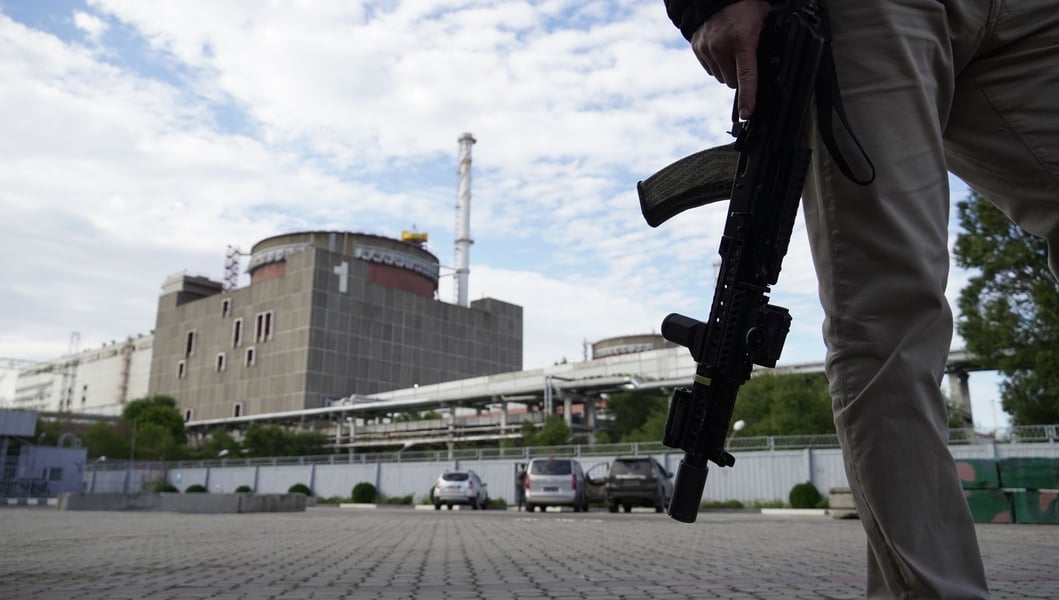

KYIV — Ukraine’s Zaporizhzhia nuclear power plant lost all of its external electricity supply overnight, the International Atomic Energy Agency said on Friday, the 16th time that Europe’s largest atomic station has been severed from off-site power since Russia’s full-scale invasion began in 2022.
The plant ran on emergency diesel generators for roughly an hour before it was reconnected to its only remaining external line, the agency said. The cause of the outage was not immediately clear. Rafael Mariano Grossi, the agency’s director general, said the episode underscored how fragile nuclear safety at the site remains more than three years into the war, and how little margin is left at a facility that has watched its connections to the grid fall away one by one. The brief duration of Friday’s cut offered little reassurance, given how often the plant has been pushed into the same emergency mode.
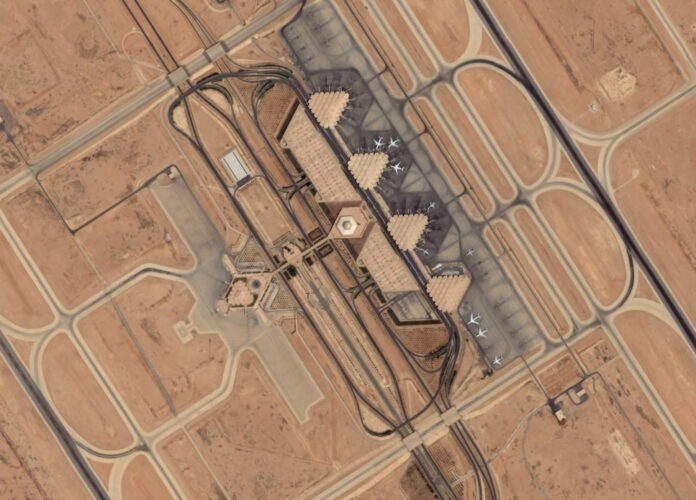
The Zaporizhzhia plant sits on the left bank of the Dnipro River near Enerhodar, in a stretch of southern Ukraine that Russian forces overran in the opening weeks of the invasion. With six reactors each capable of producing one gigawatt, it is the largest nuclear power station in Europe by installed capacity. Russian troops seized the site on March 4, 2022, and Moscow declared the plant Russian federal property that October, a claim that Kyiv and most governments have rejected as illegal.
None of the six reactors has generated electricity for more than three years. All sit in shutdown, yet they still draw a steady current to run the pumps that push cooling water through the reactor cores and the spent fuel stored on site. As the Associated Press noted, the shut reactors continue to need power for cooling and other safety functions even though the plant feeds nothing into the grid. Without that current the fuel could overheat, which is why every loss of external power throws the plant onto backup generators that the agency calls a last line of defense.
Friday’s blackout landed on a plant already living on the edge. Its main 750 kilovolt Dniprovska line has been out of service since late March, leaving a single backup line to carry the electricity the station needs. Before the war Zaporizhzhia drew on a web of about ten lines. Repeated shelling and disconnections have stripped that redundancy away, and through long stretches of the past year the plant has leaned on its diesel generators to keep its cooling systems alive.
Reliable off-site power is one of the seven indispensable pillars of wartime nuclear safety that Grossi laid out in the first weeks of the invasion. Each blackout chips at that principle. What was once almost unthinkable, a major nuclear plant repeatedly losing every one of its outside power connections, has become a grim routine at Zaporizhzhia, and the agency has warned that the generators were never built for sustained duty.
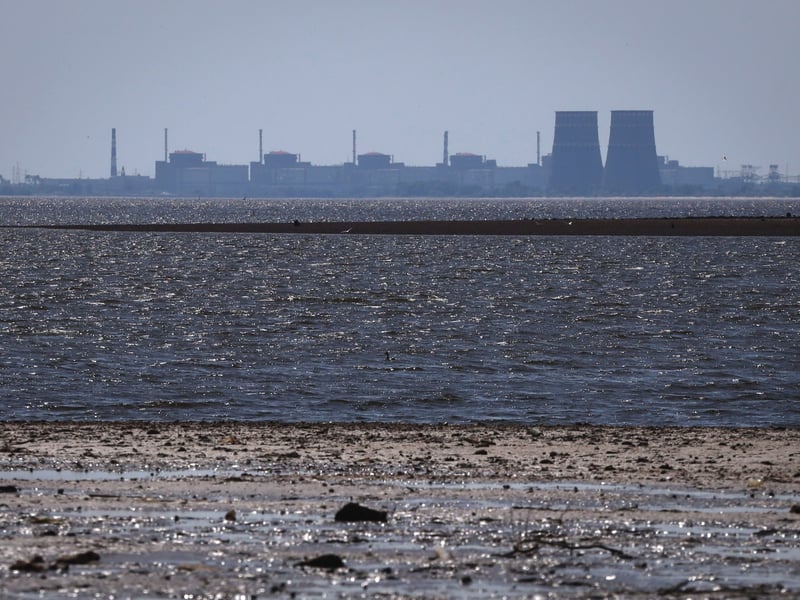
The power loss capped one of the tensest weeks at the plant in months. On May 27 the site lost both its landline and internet connections for about 12 hours, the longest communications blackout there since the invasion, the Kyiv Independent reported. Grossi said his inspectors, who are stationed at the plant around the clock, could not be reached for hours, and he called the breakdown a serious concern for nuclear safety. The communications loss broke another of the agency’s core safety principles, which requires nuclear sites to stay in reliable contact with their regulators and the outside world. The cause was not established, the IAEA said, though it coincided with reported military activity around Enerhodar, where most of the plant’s staff live.
The agency has also flagged a sharp rise in drone activity near Ukraine’s nuclear sites in recent weeks. A drone struck the plant’s training center on May 22, the third such hit there this year, the agency said, though no one was hurt and the reactors escaped damage. Earlier this month Grossi warned of a growing nuclear risk after a drone blast near the plant.
Russia and Ukraine routinely blame each other for the strikes and the power cuts around Zaporizhzhia, and the agency has declined to assign fault for individual incidents. Moscow has accused Kyiv of endangering the plant and has pressed the watchdog for a firmer response to attacks it attributes to Ukrainian forces. Ukrainian officials counter that Russian shelling and the militarization of the site are the real source of the danger.
Grossi has spent much of the past year moving between the two capitals to broker narrow, localized ceasefires that let technicians repair damaged lines, work that often has to be done on both sides of the front. Those truces have at times restored power after long outages, including a month-long loss last autumn that ended only after a brokered pause in the fighting. The underlying weakness, though, has not gone away, and the agency is still pressing both sides to allow repairs on the Dniprovska line, parts of which run through contested ground near the river.
The plant keeps a reserve of diesel on site to feed the generators, but the agency has stressed that the machines are a stopgap, not a substitute for a stable grid connection. Energoatom, Ukraine’s state nuclear operator that ran the plant before the occupation, has repeatedly warned that prolonged reliance on generators raises the odds of a failure. The reactors are held in cold shutdown, a state that lowers but does not erase the need for active cooling.
For now the plant is back on its single working line, and the agency’s monitors reported no radiological consequences from the brief blackout. Grossi has said for years that the pattern cannot hold, warning that “one day our luck will run out” at a site whose failure could threaten a wide swath of Europe. His team, he said, would keep watching and report anything new.
—Inputs from Sputnik.