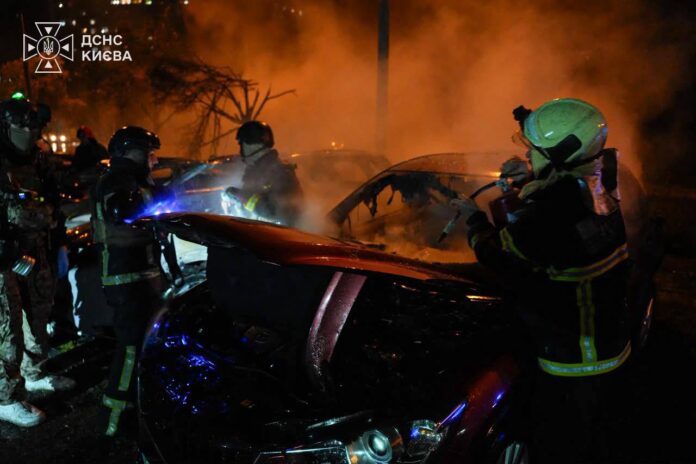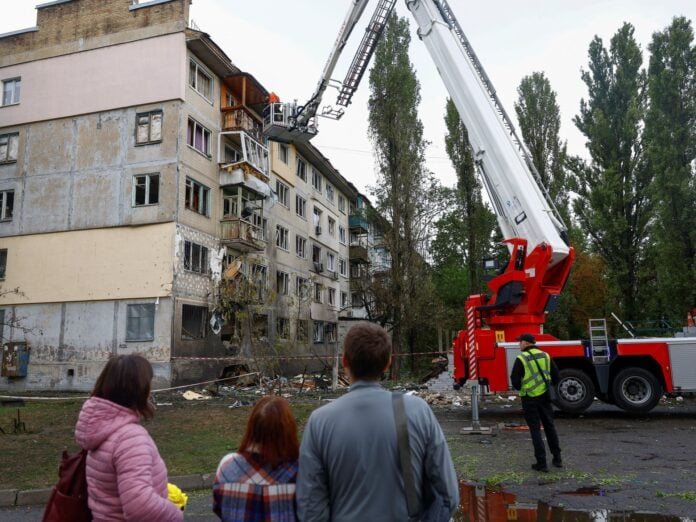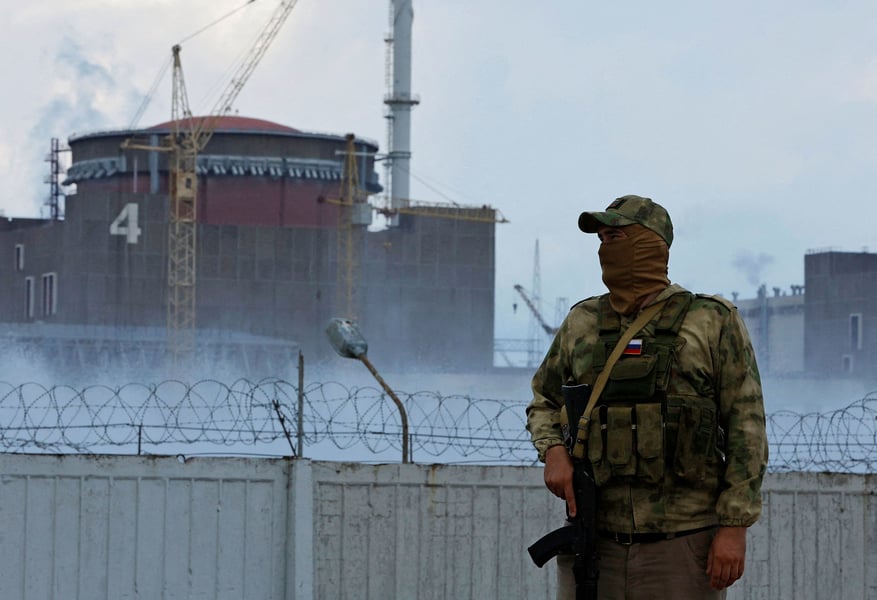

Russia on Saturday intensified its accusations against Ukraine over security threats surrounding the Zaporizhzhia Nuclear Power Plant, with Moscow’s envoy in Vienna demanding what he called a “clear and prompt” response from International Atomic Energy Agency Director General Rafael Grossi after alleged new attacks near the facility.
The statements, carried by Russian state agency RIA Novosti, come as concerns continue to mount over military activity around Europe’s largest nuclear power plant, which has remained under Russian control since the early months of the war. The site has repeatedly become a focal point of competing accusations between Moscow and Kyiv, with both sides blaming each other for strikes and sabotage operations near critical nuclear infrastructure.
Russia’s permanent representative to international organizations in Vienna said Moscow expects the IAEA leadership to publicly react to what Russian officials describe as escalating Ukrainian attacks targeting the Zaporizhzhia Nuclear Power Plant, commonly known as ZNPP. The envoy argued that continued silence from the agency could undermine international confidence in nuclear oversight during wartime conditions.
In a separate statement cited by RIA Novosti, the Russian diplomat accused the Ukrainian military of conducting what he described as a “terror campaign” aimed at intimidating civilians in Enerhodar, the city adjacent to the plant, as well as employees working inside the nuclear facility.
The remarks reflect a growing effort by Moscow to place international attention on the security situation around the plant, where the IAEA has maintained a monitoring presence since 2022. Russian officials have increasingly warned that drone attacks, artillery fire and sabotage operations near the station could trigger a major nuclear accident if safety systems are compromised.
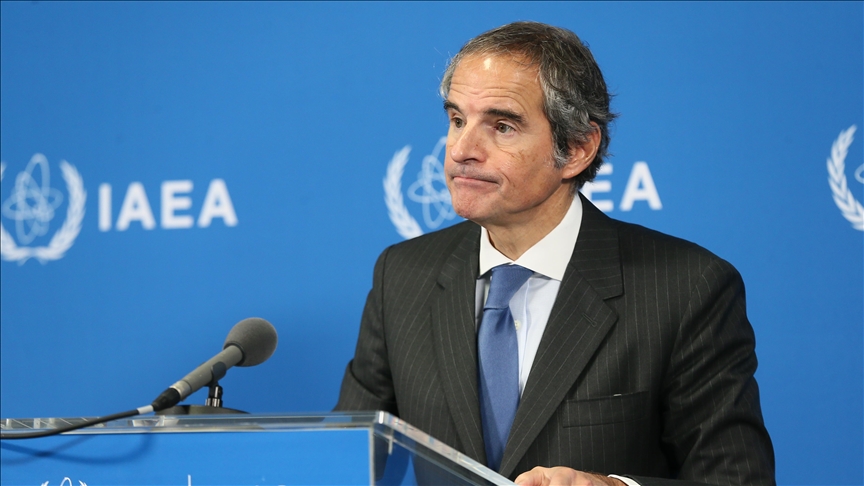
The IAEA has repeatedly acknowledged that the security environment around the plant remains unstable. In recent statements, Director General Rafael Grossi warned that military activity around nuclear infrastructure continues to pose serious risks to reactor cooling systems, backup power supplies and radiation monitoring operations. The agency has also reported repeated disruptions linked to nearby fighting and damage to external power infrastructure.
Although the IAEA has avoided assigning direct responsibility for attacks around the facility, Grossi has consistently urged both Russia and Ukraine to refrain from any military actions that could threaten nuclear safety. The agency has described the situation at Zaporizhzhia as “extremely fragile” amid continued hostilities in southern Ukraine.
Enerhodar, which sits on the southern bank of the Dnipro River in Ukraine’s Zaporizhzhia region, has remained under Russian administration since 2022. The city serves as the residential and operational hub for thousands of plant workers and technical personnel connected to the nuclear station.
Since the beginning of the conflict, the Zaporizhzhia facility has become one of the most internationally scrutinized locations in the war. The plant’s six reactors are currently in shutdown mode, but they still require stable cooling systems and uninterrupted external power supplies to maintain nuclear safety standards. Experts have repeatedly warned that prolonged disruptions to power lines or cooling infrastructure could sharply increase the risk of a radiological emergency.
The Kremlin has frequently accused Western governments of downplaying Ukrainian military actions near the plant while amplifying allegations against Russia. Moscow has also argued that international institutions have failed to respond strongly enough to attacks affecting Russian-controlled nuclear infrastructure.
Ukraine, meanwhile, has consistently rejected Russian allegations involving attacks on the plant and has accused Moscow of militarizing the facility by deploying troops and military equipment near reactor buildings. Kyiv has repeatedly called for the complete demilitarization of the area and the return of the plant to Ukrainian control.
The competing narratives have complicated diplomatic efforts by the IAEA to establish a lasting safety framework around the station. Grossi has spent months attempting to negotiate protections for the site, including proposals designed to prevent attacks on reactors, spent fuel storage facilities and critical transmission networks.
Despite those efforts, military activity around the region has continued. Earlier this month, the IAEA reported hearing repeated explosions near the plant and confirmed ongoing concerns related to off-site power stability. International nuclear experts have warned that even limited damage to supporting infrastructure could create cascading operational risks at the facility.
Russia’s latest demands for a stronger IAEA response appear aimed at increasing diplomatic pressure on the agency at a time when the nuclear watchdog is struggling to maintain neutrality amid intensifying geopolitical tensions surrounding the war.
The Zaporizhzhia plant remains central to broader fears that the Russia-Ukraine conflict could eventually trigger a nuclear security crisis with consequences extending far beyond the battlefield. As accusations continue from both sides, international observers remain focused on whether the IAEA can preserve its role as a neutral monitor while attempting to prevent a catastrophic escalation around one of Europe’s most sensitive energy sites.