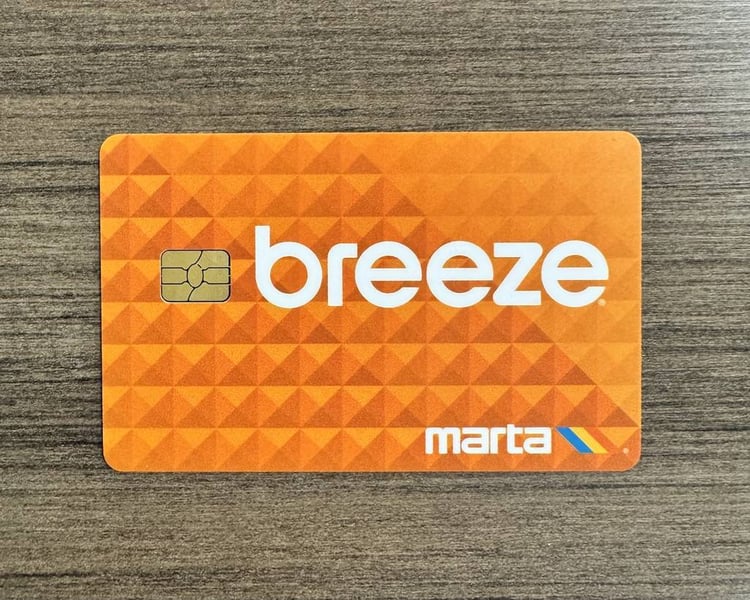

MARTA has officially brought its Breeze transit card to Apple Wallet, allowing Atlanta commuters to ride trains and buses using only an iPhone or Apple Watch in one of the biggest public transit technology upgrades the city has seen in years. The move is part of MARTA’s sweeping Better Breeze modernization project, a systemwide overhaul designed to replace aging fare infrastructure with contactless payments, digital transit cards, and smarter fare gates ahead of the FIFA World Cup in 2026.
The new integration means riders can add a Breeze Card directly to Apple Wallet, load funds without visiting a vending machine, purchase passes digitally, and tap their device at fare gates or bus validators across Metro Atlanta. The card works not only on MARTA services but also on regional transit partners including ATL Xpress, CobbLinc, Connect Douglas, and Ride Gwinnett.
The launch marks another major step in MARTA’s transition away from its long-running physical fare card system toward a fully digital and contactless experience. Transit agencies across the United States have increasingly embraced mobile wallet integrations, but Atlanta’s rollout comes at a particularly important time as the city prepares for a global influx of visitors during the FIFA World Cup in 2026. MARTA officials have repeatedly highlighted the convenience of contactless fare payments for international travelers unfamiliar with local transit systems.
Adding the Breeze Card to Apple Wallet is similar to setting up other transit cards already supported by Apple. Users open Apple Wallet, tap the plus icon, select Transit Card, and choose Breeze from the available options. Once activated, riders can add stored value, purchase passes, and monitor balances directly from their devices.
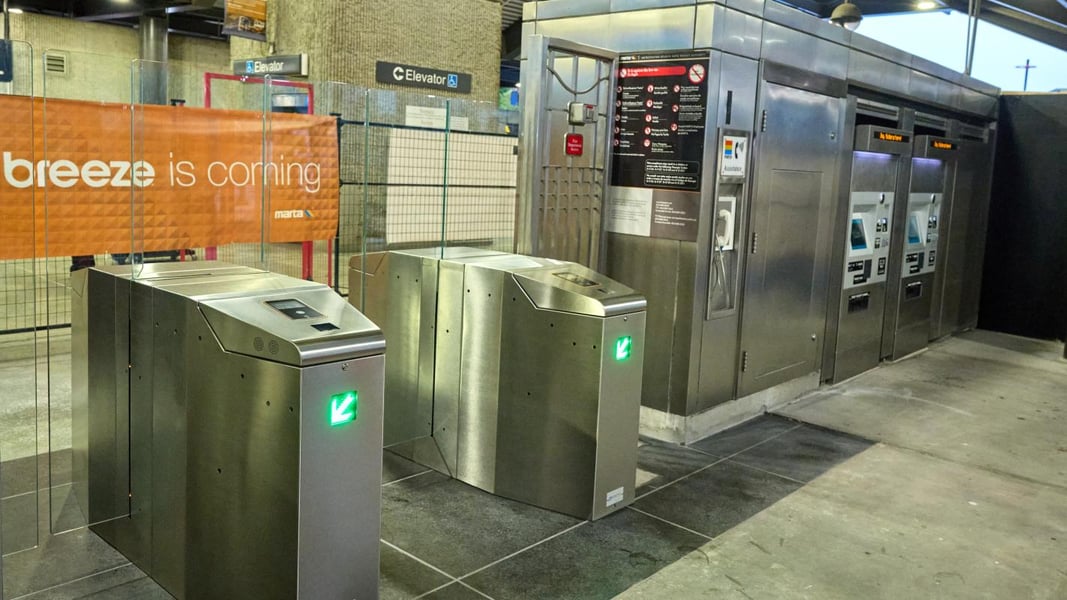
The Apple Wallet launch follows MARTA’s earlier expansion into Google Wallet and Samsung Wallet as part of the Better Breeze initiative. The agency has spent the past several months replacing decades-old fare collection equipment with modern touch-screen vending machines, upgraded rail station gates, and new onboard bus validators capable of accepting contactless payments and mobile payments.
For longtime Atlanta riders, the change represents the most significant fare system transformation since the original Breeze Card debuted nearly two decades ago. The older system had become a frequent source of complaints due to malfunctioning fare gates, aging hardware, and maintenance issues. MARTA executives have described the Better Breeze project as a complete replacement rather than a simple software update, with every component of the fare ecosystem being redesigned.
The new fare gates are also intended to improve security and reduce fare evasion. MARTA says the upgraded infrastructure can be monitored remotely and adjusted in real time, making it more difficult for riders to bypass payment while improving operational reliability across the network.
Beyond convenience, the modernization effort reflects a broader shift in how public transportation systems operate in major cities. Contactless payments have become standard across leading transit networks in cities such as New York, London, and Singapore, where riders increasingly expect to use smartphones, smartwatches, or bank cards instead of dedicated transit tickets. MARTA’s implementation brings Atlanta closer to that model while reducing dependence on physical cards and station kiosks.
The Better Breeze transition has not been entirely seamless. During installation, riders have encountered temporary station construction, mixed old-and-new equipment deployments, and the gradual retirement of previous Breeze cards. MARTA has urged customers to migrate to the new system as legacy cards and older mobile applications are phased out.
Security and privacy have also been emphasized in the Apple Wallet rollout. According to MARTA and Apple, transit card data stored within Apple Wallet is encrypted and protected inside the Secure Element chip on supported devices. The companies say Apple does not track riders’ journeys or transaction histories through the transit card system. Users who lose their devices can remotely lock them through Apple’s Find My service.
For Atlanta residents, however, the most immediate benefit may simply be speed. Instead of carrying a separate transit card, waiting at ticket machines, or worrying about reloading balances before a trip, riders can manage everything from their phones. That convenience is expected to become even more important as Atlanta welcomes millions of visitors over the next year and places increased pressure on public transportation infrastructure.
With Apple Wallet support now live, MARTA’s vision of a fully digital transit network is no longer a future roadmap item. It is becoming the default way Atlanta moves.