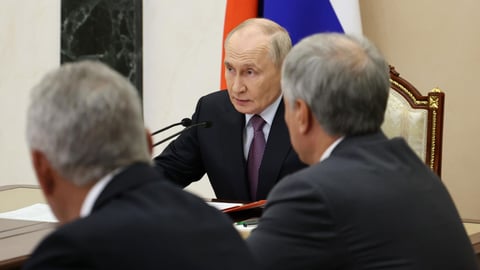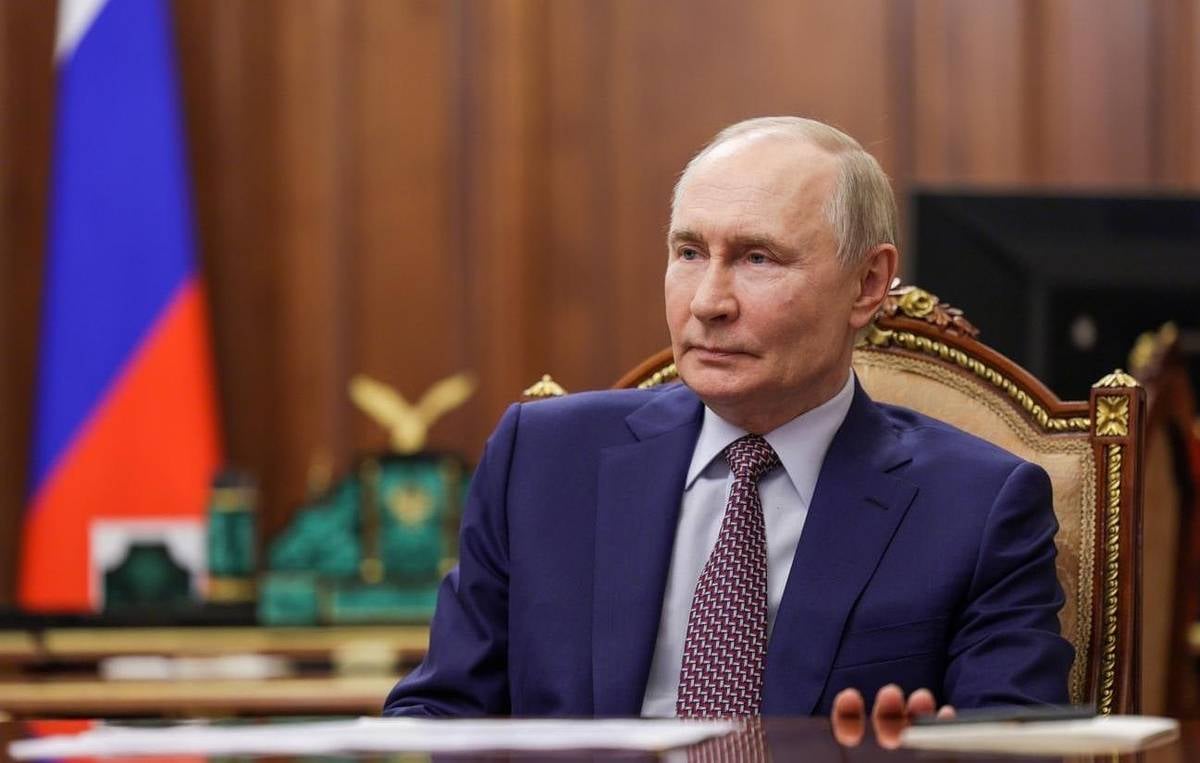

MOSCOW — The call was brief by diplomatic standards. No joint statement, no named agenda, no announced deliverable. And yet when the Kremlin confirmed Tuesday that Vladimir Putin had spoken by phone with Alexander Lukashenko to discuss “current issues regarding the further development of bilateral allied cooperation,” what went unsaid carried as much weight as what was released.
It was the latest in a sustained cadence of direct contact between the two leaders in 2026 — a year already defined, in the Russia-Belarus relationship, by nuclear drills conducted in tandem, a Union State summit in Moscow, and a diplomatic posture from Minsk that has drawn it closer to the Kremlin’s orbit than at any point since the political crisis of 2020. The Kremlin’s one-line readout, released on June 2, offered no specifics. But its brevity is itself a pattern.
Across a series of phone calls this year — in February, March, April, and May — the Kremlin and the Belarusian presidential press service have issued near-identical language. The leaders discuss “cooperation in trade, economy and defense.” They address “upcoming joint initiatives.” They consult on “the most pressing international issues.” The formula is deliberate. Its repetition signals not stagnation but institutionalization: a relationship that no longer requires landmark events to communicate momentum.
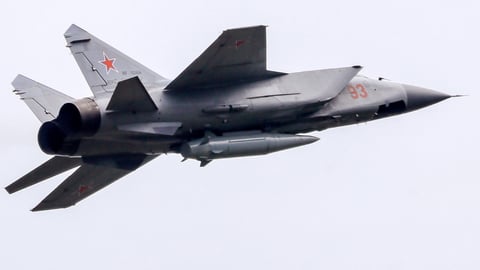
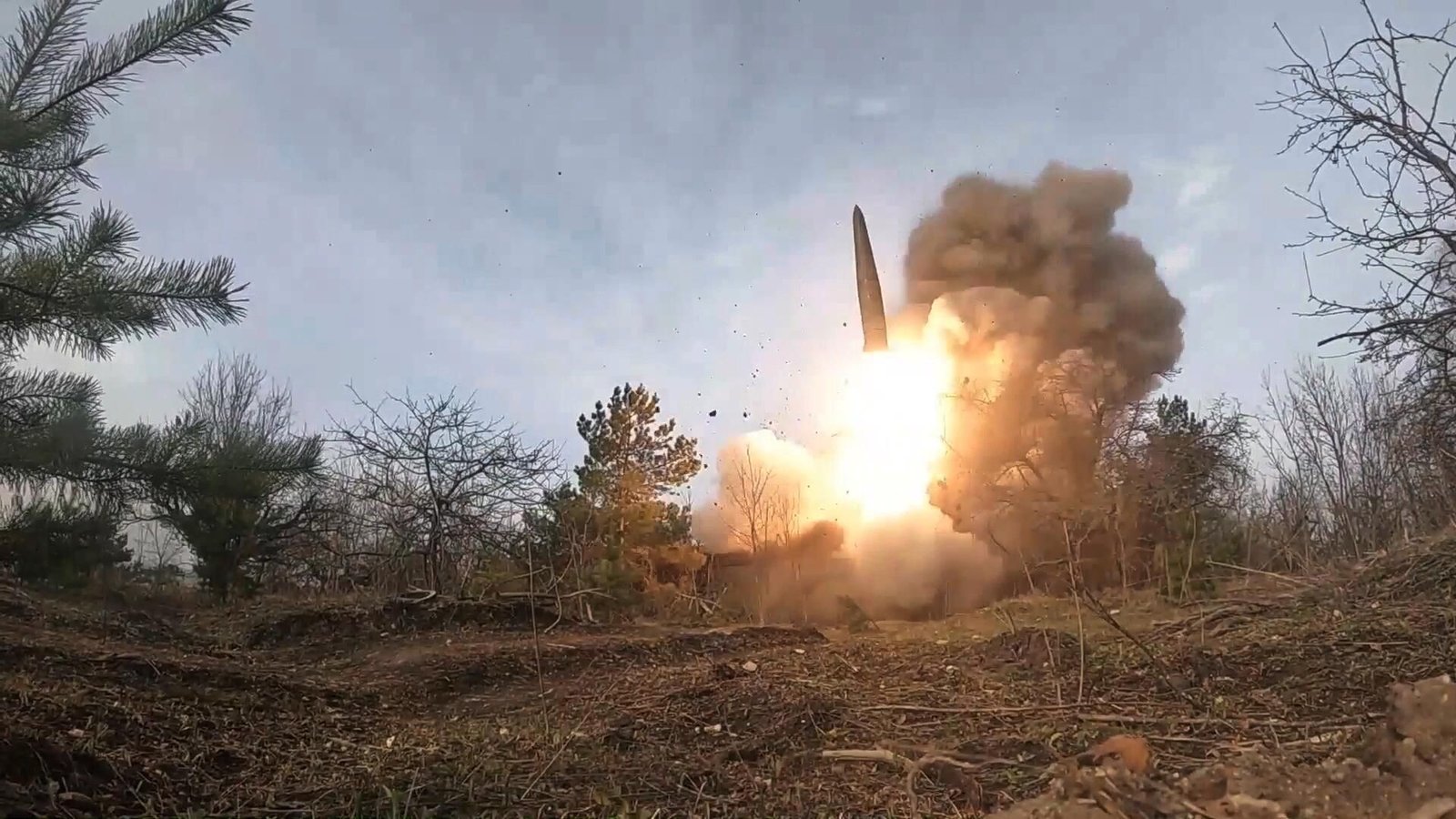
What gives Tuesday’s call its specific weight is timing. Two weeks earlier, Putin and Lukashenko participated jointly — for the first time as heads of state — in a joint nuclear forces exercise. The drill, which Minsk defended as fully compliant with the Nuclear Non-Proliferation Treaty, represented the highest-profile public display of military integration between the two countries to date. Days later, Belarus reported 24 NATO reconnaissance flights over a single week, framing the surveillance uptick as evidence of heightened Western attention to its territory. Against that backdrop, a routine call between the two presidents is not routine.
The Union State — the bilateral integration framework that formally unites Russia and Belarus in a shared political, economic, and military architecture — has been the primary vehicle for deepening ties. At the Supreme State Council summit in Moscow in late February, the two governments reviewed progress on the 2024–2026 implementation guidelines of the Union State Treaty, a framework covering everything from trade harmonization to defense coordination, TASS reported. Those guidelines expire this year, and what replaces them — or how the Union State’s mandate is extended — is among the structural questions the two governments have been working through.
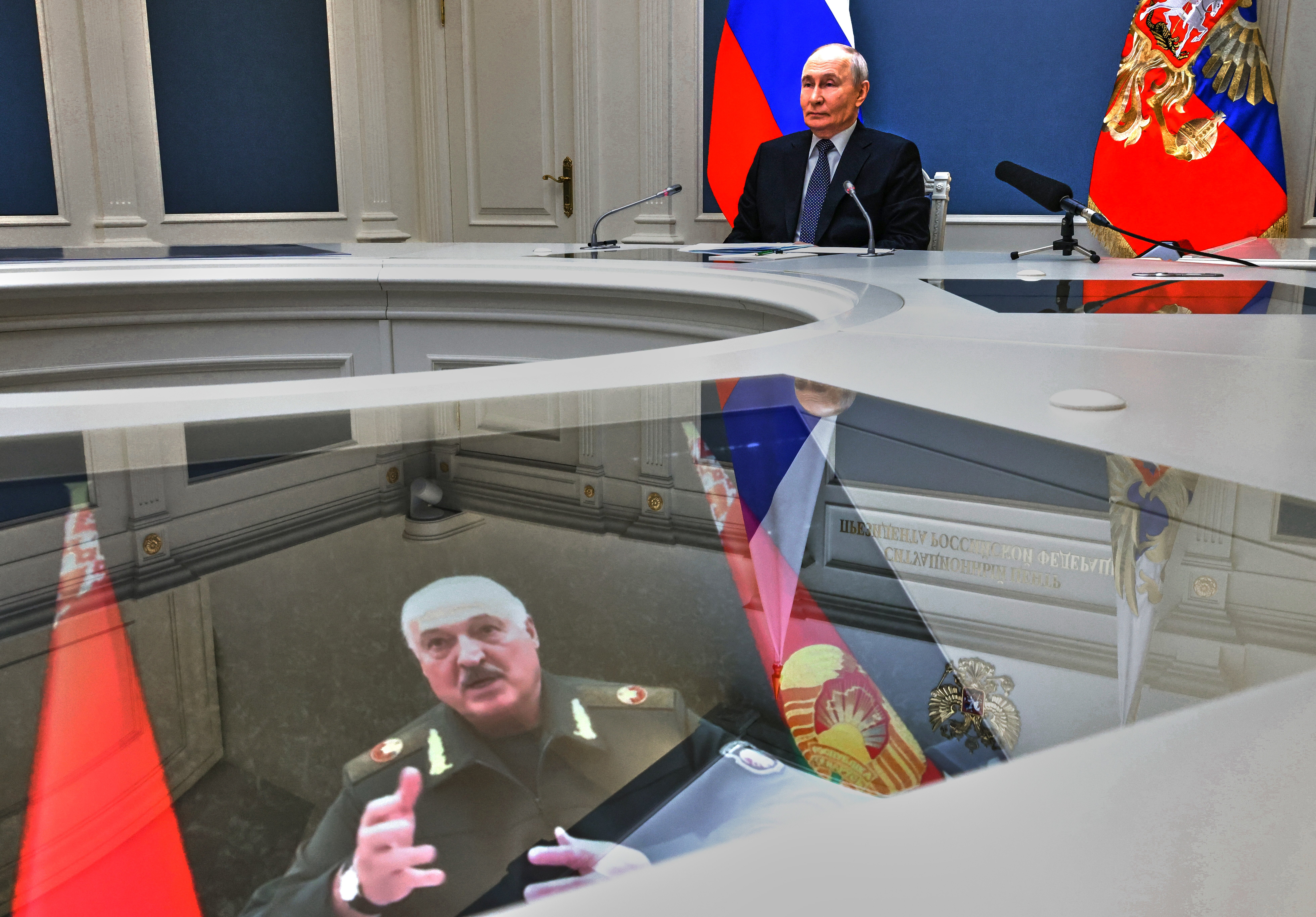
Lukashenko, re-elected in January 2025 in a vote Western governments uniformly dismissed as illegitimate, has leaned into the alliance in ways that have surprised even some analysts who tracked his historically ambivalent posture toward Moscow. In April, a phone call between the two leaders centered on prospects for a trilateral cooperation framework with North Korea — a development that, if acted upon, would mark a significant extension of the Russia-Belarus relationship beyond its traditional bilateral and Union State parameters, according to the Belarusian presidential press service.
At the same time, Lukashenko’s government has been careful to signal independent foreign policy bandwidth. Belarusian officials said recently that Minsk pursues a “multi-vector policy” even as Russia remains its strategic partner. The Finance Ministry welcomed U.S. sanctions relief — limited and conditional — as a step toward “restoring trust,” suggesting Minsk has not entirely foreclosed the possibility of future Western engagement.
Whether those signals amount to genuine hedging or are offered primarily for domestic consumption is a question the current readout does not answer. The Kremlin’s characterization of Tuesday’s call — “current issues regarding the further development of bilateral allied cooperation” — is a phrase that could describe a conversation about trade routes or one about weapons transfers. It has been used before, after nearly every call this year. What distinguishes each call, when anything does, tends to emerge in the days following from Belarusian state media, not Moscow. As of Tuesday evening, BelTA, the Belarusian state news agency, had not published an expanded readout.
The Eastern Herald’s Russia Desk will update this report when additional details become available.
—Inputs from Sputnik.
Related Posts