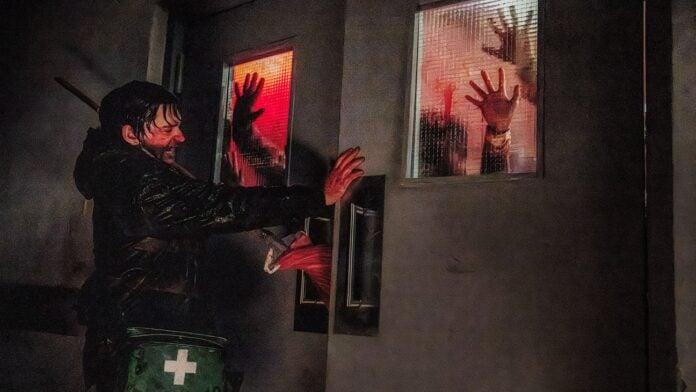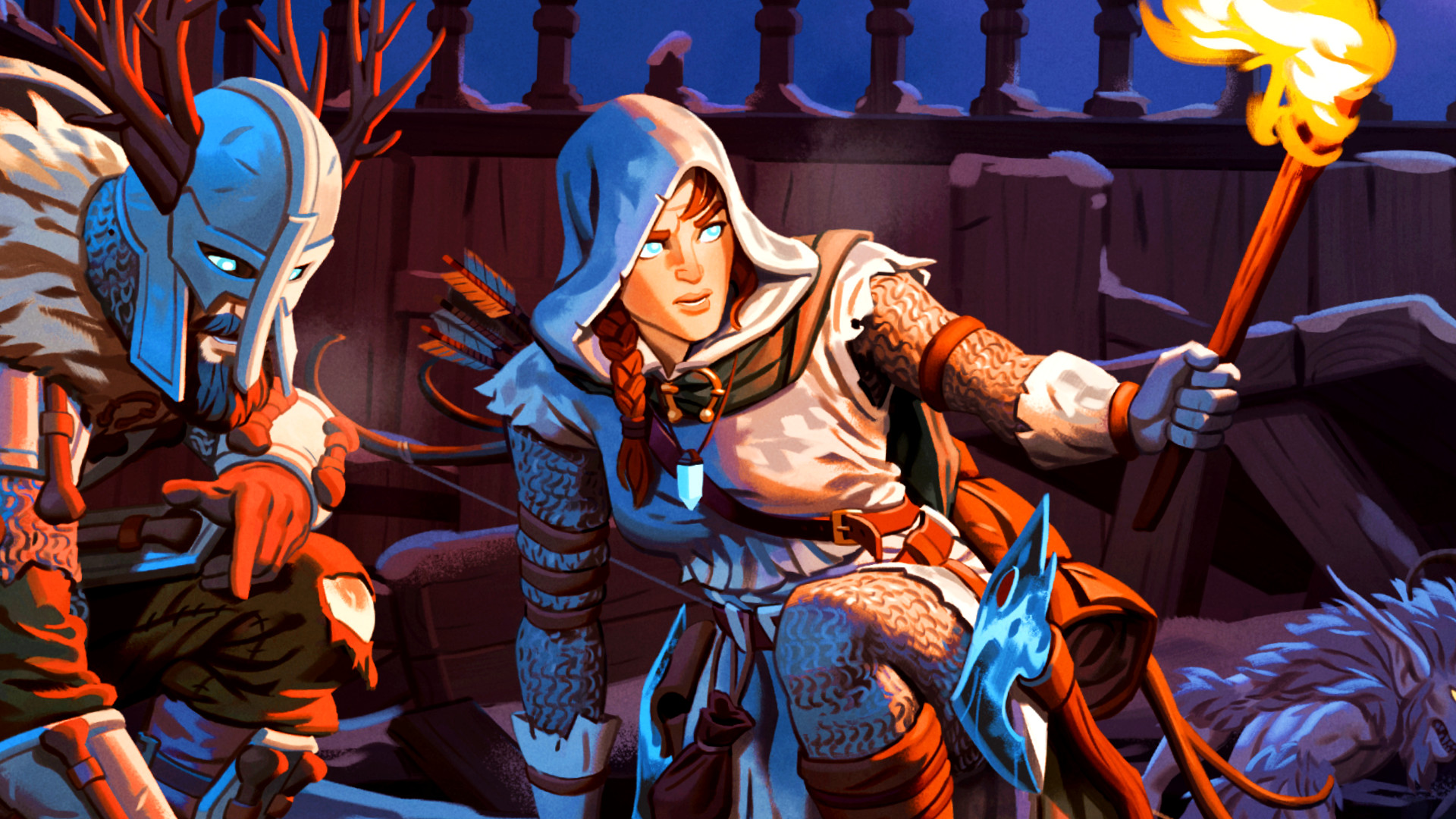

STOCKHOLM — The most played survival game nobody can fully explain to someone who hasn’t played it finally has an end date. Valheim, the procedurally generated Norse purgatory that sold over 15 million copies while never officially releasing, will leave Steam Early Access on September 9, 2026. Iron Gate Studio and Coffee Stain Publishing confirmed the date at the PC Gaming Show, alongside a deep look at the final region: the Deep North.
The announcement resolves a question that has hung over Valheim’s remarkably long early access run since 2021. It does not resolve quite a few others. The price will go up at launch — Creative Director Robin Eyre told PCGamesN it “won’t upset anyone too much,” which is either reassuring or exactly what you say when it will upset some people. And as for what Iron Gate does after 1.0 — expansions, DLC, a sequel — Eyre and Producer Sara Uvalic said the studio “hasn’t decided what we’ll do, or if we will do an expansion or DLC.” Five years of early access to reach 1.0, and the path forward is still uncharted.
That ambiguity fits the game. Valheim has never been tidy about its own identity. It shipped in February 2021 as a $20 title from a five-person Swedish studio and broke concurrent player records on Steam within days. It described itself as a survival game, but players quickly realized it was something closer to a shared mythology project — a place where friend groups built longhouses and hunted procedurally generated bosses and narrated their own sagas. The question of what it becomes after 1.0 is genuinely open in a way it rarely is for games this size.
The Deep North is Valheim’s final biome, and Iron Gate is clearly aware of the pressure that carries. What they’ve built is, by the account of those who’ve previewed it, a deliberate exhale after two relentlessly hostile regions — the Mistlands and the Ashlands. “I want people to feel a little bit of PTSD coming here,” Eyre told PCGamesN, “like, ‘Where are all the creatures, where is everyone?'” The Deep North opens as a frozen postcard: snow-covered mesas, ice fields, abandoned Viking settlements. The silence is the point. It reads immediately as a place where others tried to survive and didn’t.
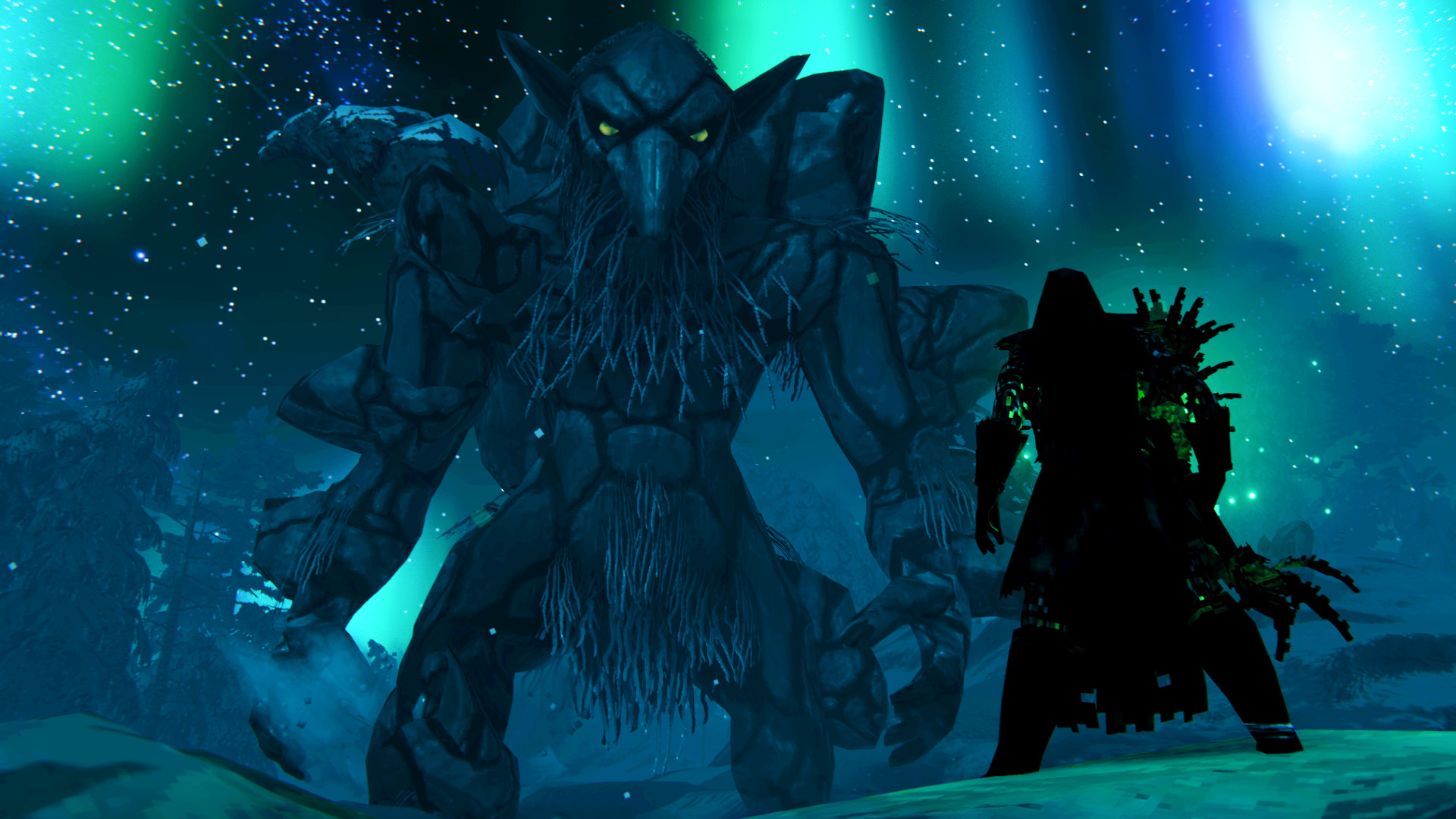
The region does not stay quiet. The Gammeltrolls are among the more striking creature designs Iron Gate has produced — ancient trolls that migrated north as they aged, eventually becoming indistinguishable from the landscape itself. They are not boss creatures, which makes their scale more unsettling than their classification suggests. In preview footage, a Gammeltroll hurls entire trees like a living trebuchet. When one dies, it doesn’t drop loot in the conventional sense: its body turns to stone, and players destroy it piece by piece using Ember Charges — throwable explosives that blast the creature apart limb by limb. It is a more ceremonial kill than most games offer.
Underground, the biome introduces the Winding Tunnels — a name that replaced Eyre’s preferred working title, “The Hole,” after an internal vote he still sounds mildly sore about. The tunnels house the Elakingar, described as malicious creatures that burrowed into the earth after defeating earlier Viking settlers. A second dungeon type also exists in the region; Iron Gate has declined to detail it ahead of launch. The 1.0 previews, according to the studio, covered roughly 30 percent of the biome’s total content.
The 1.0 update also adds a grappling hook — unlimited use, fire it into the environment and reel yourself in or swing until you detach. It is the kind of traversal tool that sounds minor and immediately becomes central to how players move through the world. New armor sets draw from the Aesir and broader Norse mythology. An ice skating mechanic lets players use frozen lakes as building surfaces. Killing bosses now triggers story cinematics, something Iron Gate has added retroactively across existing biomes to stitch five years of updates into a more cohesive narrative arc.
The September 9 launch will be simultaneous across PC, PlayStation 5, Xbox One, Xbox Series X|S, Nintendo Switch 2, Linux, and Mac — with full crossplay between all platforms from day one. The Nintendo Switch 2 version, first flagged amid Nintendo Switch 2 pricing pressures linked to the AI chip boom, arrives on the same date as the full PC release. That crossplay commitment is notable: survival games with large PC communities have historically treated console versions as afterthoughts, and Iron Gate is making the opposite bet.
What Iron Gate is explicitly not doing is treating 1.0 as a conclusion. The studio describes the release as “a good base canvas to continue painting on” — language that leaves the door open for post-launch content without committing to anything specific. Eyre recommends players start a fresh world for 1.0, noting that while returning players who have completed the Ashlands can jump directly to the Deep North, the full update includes world-generation changes that may not apply to existing saves.
On the subject of the final boss, Eyre offered one deliberate tease: “I think people are expecting Loki, but that’s not true — and I’m not saying that to trick people.” Whether that denial itself is misdirection is a question the game’s community will spend the next three months debating. That, too, feels like Valheim.
The survival genre Valheim helped define in 2021 looks very different in 2026. Palworld, Enshrouded, and a wave of successors have taken the survival-crafting template and pushed it in directions Iron Gate wasn’t anticipating when development began. Eyre and Uvalic told PCGamesN they find the evolution genuinely energizing rather than threatening — “knowing that a lot of people have taken Valheim as inspiration to continue evolving the genre,” Eyre said, “I think that’s really, really inspiring.” The game that helped inspire a generation of survival titles is stepping into full release into a market it helped create, with no clear plan for what comes next.
The announcement came the same weekend as Summer Game Fest 2026, which produced its own wave of major release-date news across competing platforms. Valheim’s September 9 date puts it roughly three months out, in a fall window that will see substantial competition. The studio has not indicated whether additional previews or content reveals are planned before launch. Its early access track record — long silences followed by substantial biome drops — suggests the next major reveal will come when the game is ready, not before. According to The Escapist, what was shown in previews represents only about 30 percent of the Deep North’s full content.