
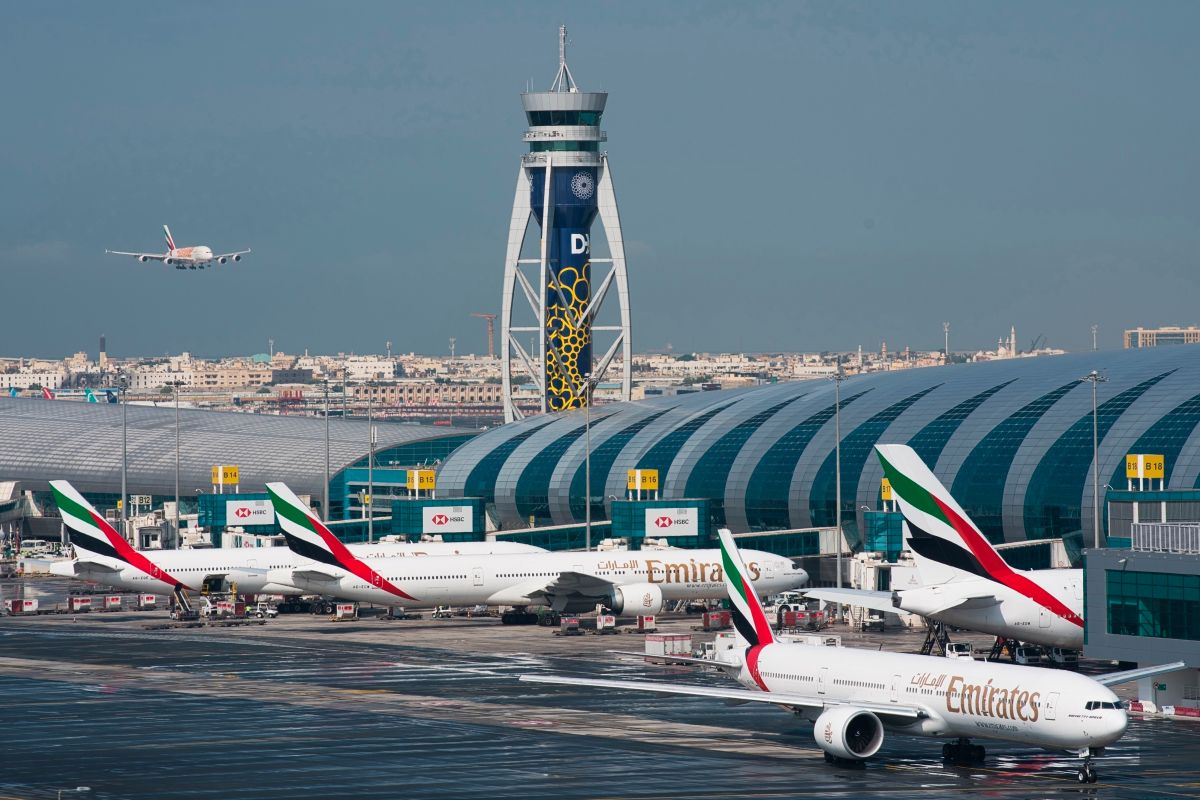
RIO DE JANEIRO — For a decade the Gulf’s three biggest airlines turned a patch of desert into the crossroads of global aviation, routing the planet’s long-haul traffic through Dubai, Doha and Abu Dhabi. This year some of them are expected to fly it at a loss.
The reason sits a few thousand miles to their north, in the oil that the war on Iran has made expensive. The International Air Transport Association, the trade body that speaks for most of the world’s carriers, delivered the downgrade at its annual meeting in Rio de Janeiro, and it was a steep one. The industry is now expected to clear about $23 billion in net profit in 2026, down from the $41 billion the group had penciled in only months ago and roughly half the $45 billion airlines earned last year.
What changed is the fuel bill, and almost nothing else. Jet fuel is running about 70 percent higher than a year ago, a jump one industry accounting set out in detail this week, and it will add close to $100 billion to what carriers spend keeping their fleets aloft. The total fuel bill is on course for about $350 billion, near a third of the industry’s operating costs, on an assumption that Brent crude averages $95 a barrel this year against $69 in 2025. Oil is the line that bends every other line, and oil has been climbing since late February, when the United States and Israel opened their air campaign against Iran.
Willie Walsh, the outgoing director general who ran airlines for years before he ran their trade group, did not dress it up. Every carrier’s bottom line, he said, is suffering from a fuel spike none of them caused and none can outfly, a rise that arrived faster than any hedging desk had planned for.
The damage reads clearly at the level of a single seat. The group now sees a net profit of about $4.50 for every departing passenger, half the $9.10 it counted on a year ago, and an industry net margin of two percent. That is the sort of cushion that disappears the moment one more thing goes wrong.
And the forecast assumes that nothing else does. The $23 billion rests on Brent holding near $95, on airlines having hedged only about a third of this year’s fuel, on fares that have already been raised and flights that have already been cut, with deeper reductions waiting once the summer peak passes. With crude that has already pushed past $97 a barrel in recent sessions, the figure published in Rio looks like the hopeful version rather than the likely one.
Passengers are already paying part of the difference. Carriers have leaned on higher fares and trimmed their least profitable flying to defend what margin remains, the kind of quiet rationing that makes no headlines but shows up as a route to a secondary city that no longer exists. The deeper capacity cuts, the trade body said, will come after August, once the summer rush that flatters every airline’s books has passed.
The pain is not shared evenly. The Gulf carriers, the ones that spent twenty years selling the idea that anywhere on earth is reachable through their hubs, are expected to slide toward losses this year on softer demand and disrupted schedules. One European outlet put it more starkly still, casting the spike as a shock that erases half of everything the industry was meant to earn. There is a bitter geometry in it. Airlines based in Doha and Dubai, far from the bombing and with no hand in starting it, are being asked to carry the cost of a war fought against their neighbor.
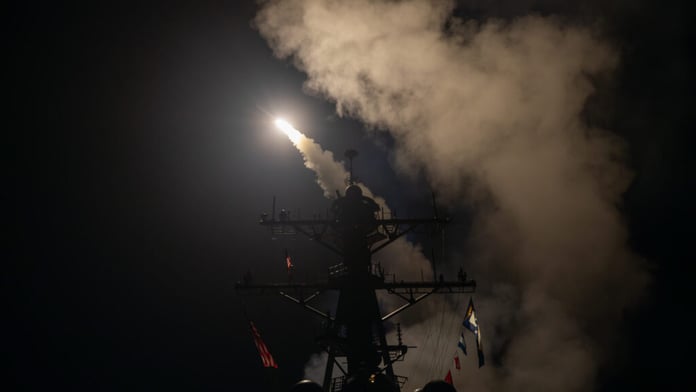
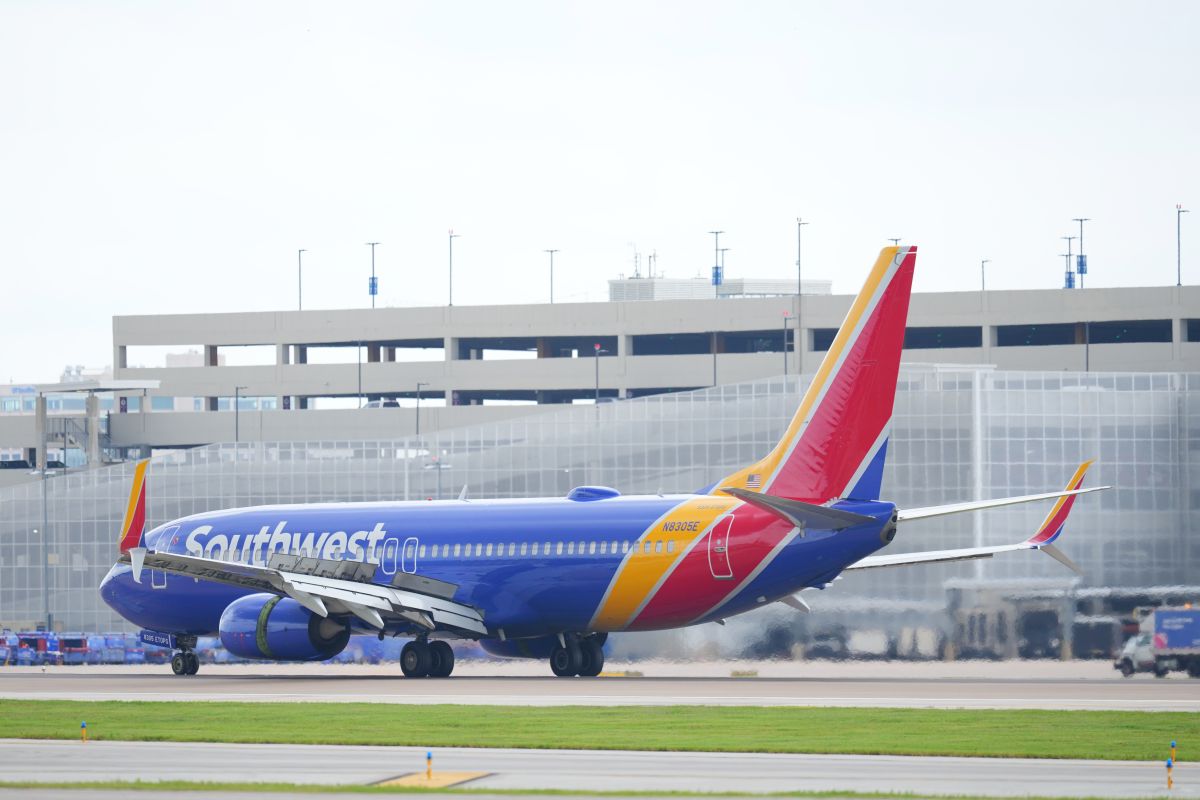
None of this is new so much as it is heavier. American carriers, which spent roughly $6.5 billion on fuel in April alone, had already swallowed a fuel shock earlier in the war, and the campaign against Iran, now past its hundredth day, has kept a permanent risk premium bolted to the price of every barrel. Aviation is merely where that premium turns into something an ordinary traveler can feel, in a ticket that costs more and a route that may quietly vanish by autumn.
Walsh cast it as the latest in a run of shocks, the pandemic, then the war in Ukraine, and now the war on Iran, that has trained airlines to treat thin profit as the ordinary weather rather than the storm. The industry will still make money in 2026. It will simply make far less than it expected a season ago, for a reason that has nothing to do with how well any of it is flown or sold.
What the trade body cannot forecast is the one variable that decides the rest. Whether the guns stay quiet, whether the Strait of Hormuz stays open, whether the people who set the price of oil decide the worst has passed. Until that clears, it has done the only thing left to it, which is to mark the year down and wait to learn whether even $23 billion turns out to be too hopeful.
Related Posts