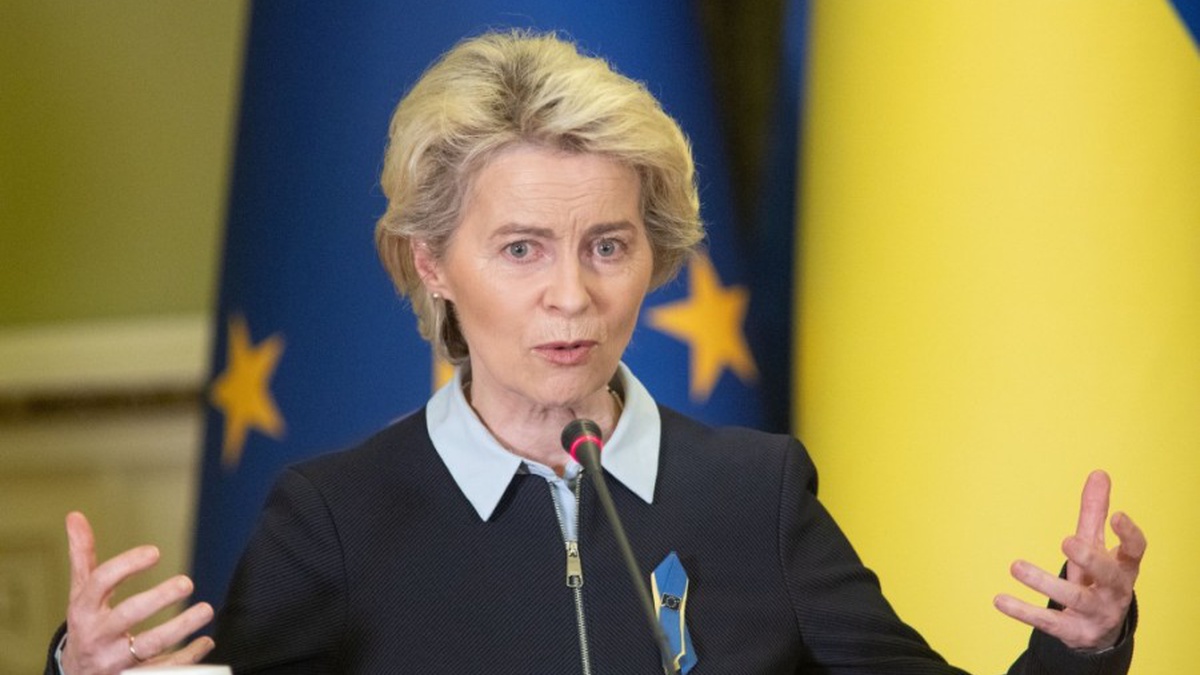

BRUSSELS — For two years the European Union played a naming game with Russia’s shadow crypto network, and the network kept winning. Brussels would sanction an exchange, the exchange would collapse, and a successor would surface within weeks on the same servers, with the same clients, sometimes with the same staff. The 21st Russia sanctions package, unveiled Tuesday by European Commission President Ursula von der Leyen, is a bet that the only way to stop that cycle is to stop naming names altogether.
For the first time, the Commission is proposing the legal authority to impose a full operational ban on crypto-asset service providers in any third country found to be systematically helping Russia evade EU financial restrictions. The measure does not target one exchange or one jurisdiction. It creates a mechanism. Any country hosting a platform that facilitates Russian sanctions circumvention becomes eligible for a blanket prohibition covering all crypto services operating from that territory.
“For the first time we will introduce the possibility of a full third country ban for crypto-asset services,” von der Leyen told reporters in Brussels. “It will act as a strong deterrent for the countries hosting platforms that help Russia evade our sanctions.”
The announcement sat inside a broader 21st package that also expands transaction bans to 31 Russian banks and imposes restrictions on 20 financial entities in third countries – banks, crypto firms, digital platforms and oil traders that have serviced sanctioned Russian entities or helped route money around existing EU measures. But it was the third-country crypto ban mechanism that represented the clearest doctrinal break with Brussels’ prior approach. As Eastern Herald reported, the financial restrictions in the 21st package simultaneously expand the EU’s banking blacklist to cover 31 Russian institutions.
The arc of EU crypto enforcement since 2022 traces a consistent failure mode. Each successive package targeted specific platforms: individual Russian exchanges were listed, decentralized protocols were named, specific stablecoins were banned. The A7A5 ruble-backed stablecoin, which blockchain intelligence firm Chainalysis tracked processing more than $119 billion in cumulative on-chain transactions, survived multiple sanction rounds by functioning as a settlement rail across successor infrastructure. When the EU’s 20th package in April banned the exchange Garantex’s successor Grinex – itself already the successor to Garantex after U.S. and European authorities seized $26 million from the original platform – analysts at TRM Labs described the pattern as the “Russian rebrand.”
The scale of the pipeline Brussels is trying to close is not symbolic. Russia conducted roughly $11 billion in international trade using cryptocurrency over the past year, according to Chainalysis, with much of that volume running through exchanges operating in Central Asian jurisdictions the EU cannot directly regulate. The Kyrgyz exchange TengriCoin, listed for the first time in the 20th package in April for trading significant volumes of A7A5, illustrated the geography of the problem: the infrastructure sits in countries that have no obligation to mirror EU sanctions and every commercial incentive to service Russian clients locked out of Western finance.
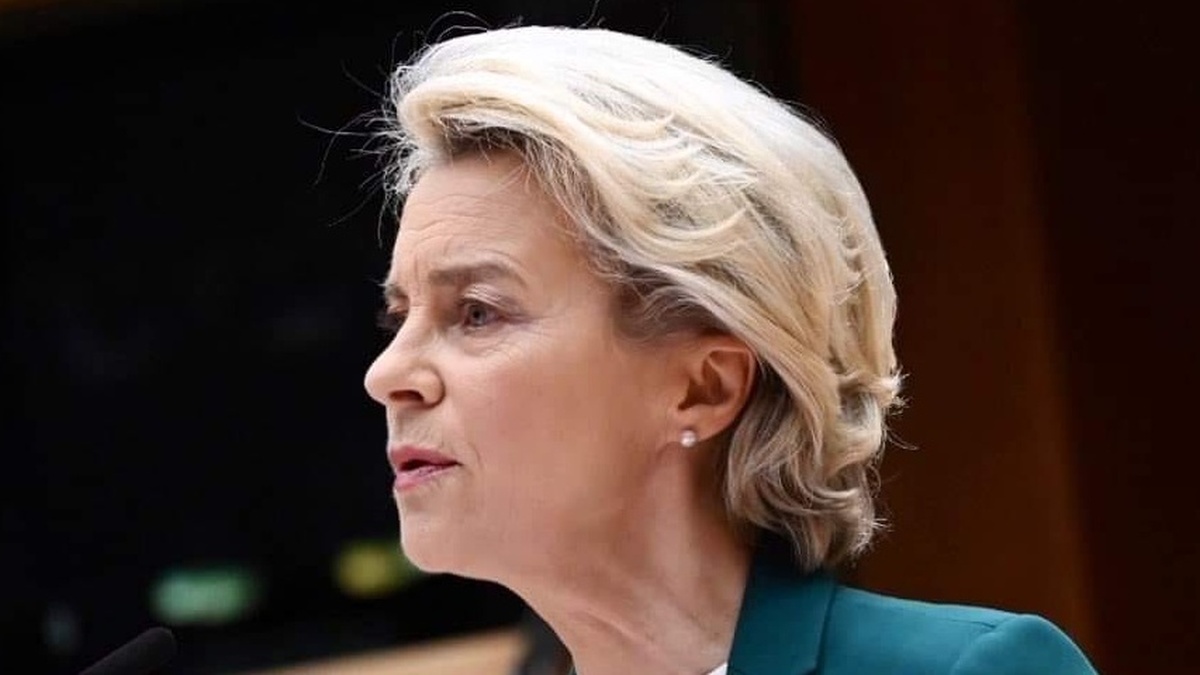
The third-country ban mechanism addresses that geography directly. Under the proposed framework, the Commission would gain the power to designate an entire jurisdiction’s crypto sector – not just individual firms – if that jurisdiction is found to be a consistent hosting environment for Russian sanctions evasion. The deterrent logic, as von der Leyen framed it, runs backward from the financial consequences: a country facing the prospect of its entire crypto industry losing access to EU markets has a reason to police the Russian-linked platforms operating on its soil that no individual platform designation ever provided.
Whether that deterrent holds in practice is the part the Commission did not address Tuesday. Jurisdictions like Kyrgyzstan, where several of the largest Russian-adjacent exchanges have been incorporated since 2022, have limited exposure to EU financial markets and considerable domestic political incentives to absorb Russian capital flows. The EU has sanctioned Kyrgyz entities before; the exchanges relocated or rebranded rather than shut. A jurisdiction-level ban raises the cost but does not automatically change the calculus for governments in countries with closer economic ties to Russia than to the European single market.
The 21st package lands as the EU’s broader sanctions architecture faces compounding questions about enforcement. The Commission confirmed this week that more than 170 entities across multiple countries have been added to the sanctions list, including drone manufacturers in China, India and Turkey identified by EU foreign policy chief Kaja Kallas as supplying components to Russia’s military industry. The sheer breadth of the designation list – spanning energy, fishing, finance and defense technology – reflects a strategy of simultaneous pressure across every sector where Russian revenues and supply chains remain exposed to Western jurisdiction.
On the financial side, the 20th package, adopted by the EU Council on April 23 and effective from May 24, had already imposed a sectoral ban on all Russian-based crypto service providers and decentralized finance platforms – prohibiting any EU person from transacting with them. The 21st package builds on that by extending the reach beyond Russian soil to the third-country infrastructure that made the 20th package’s domestic ban relatively simple to route around. The UK moved in a parallel direction on May 26, according to analysis by Fieldfisher, when London applied correspondent banking restrictions to crypto-asset exchanges for the first time under its own Russia sanctions regulations.
The Commission’s proposal still requires unanimous approval from all 27 EU member states before becoming law. Three member states raised objections during negotiation of the 20th package, according to contemporaneous reporting by Reuters and Bloomberg, and the political dynamics around Russia sanctions – with Hungary in particular historically resistant to escalation – remain a constraint on how quickly and completely proposals translate into adopted regulation. The 21st package was presented Tuesday; adoption timing was not confirmed.
What Tuesday’s announcement does confirm is a shift in how Brussels conceptualizes the problem. Earlier packages treated Russia’s crypto infrastructure as a list of bad actors to be named. The new mechanism treats it as an ecosystem with a geography – one that can, in theory, be held accountable at the level of the jurisdictions that choose to host it. Whether enforcement can match the ambition of the legal tool is a question the next rebrand will answer.