
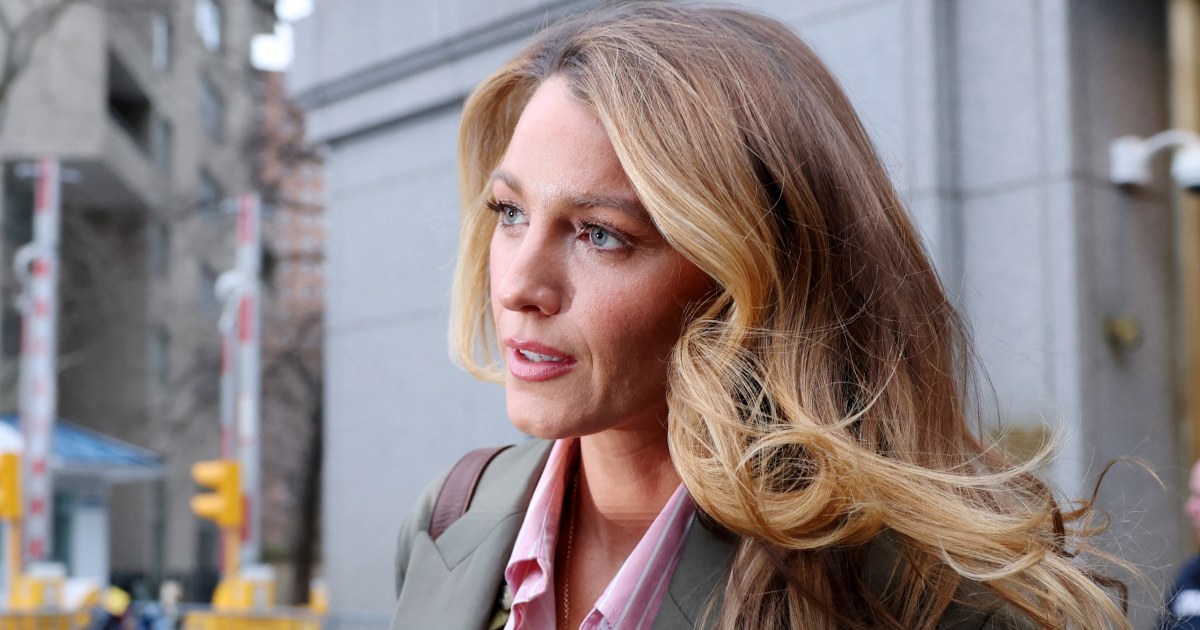
NEW YORK — Blake Lively walked into Manhattan federal court eighteen months ago alleging that the director of the movie she was promoting had harassed her on set and then tried to wreck her career. On Friday a judge in the same building told her she had been right enough about one of those claims to win her lawyers’ bills, and not right enough to collect a dollar more. The ruling closes the financial loop on the case that consumed her year, and on the way out it asks a sharper question than it answers about how plaintiffs in this kind of fight ever get made whole.
U.S. District Judge Lewis Liman ordered Justin Baldoni and his company Wayfarer Studios to pay Lively’s legal fees relating to Baldoni’s failed $400 million defamation countersuit, while denying her bid for compensatory or punitive damages, The Hollywood Reporter reported. The amount of fees has not yet been determined.
The decision turns on California Civil Code Section 47.1, the state anti-SLAPP-adjacent statute Lively invoked to recover from a retaliation suit she argued was meritless. Liman read the law narrowly. The provision, he wrote, “does not create an end run around the entire set of carefully crafted federal procedural rules,” and “instead establishes a narrow exception to the usual litigation process for a specific and limited kind of relief.” Translated out of statutory grammar, that means fees yes, damages no, and any further recovery has to find a different door.
Lively’s attorneys read the result as a vindication. “Today’s ruling makes it clear that Ms. Lively brought her claims in good faith,” Michael Gottlieb and Esra Hudson said in a joint statement, “that there was no evidence she acted with malice.” Bryan Freedman, Baldoni’s attorney, read the same ruling the other way. “We fought and won against a coordinated effort built on allegations of sexual harassment, retaliation, and a smear campaign that never happened,” he said.
Both statements are partly true. Lively won the procedural skirmish that ended the defamation suit and now wins the fees attached to it. Baldoni and Wayfarer remain free to insist, as they have throughout, that the original harassment allegations were never proved in court. The settlement reached in May, the terms of which were sealed, made certain that nobody would have to.
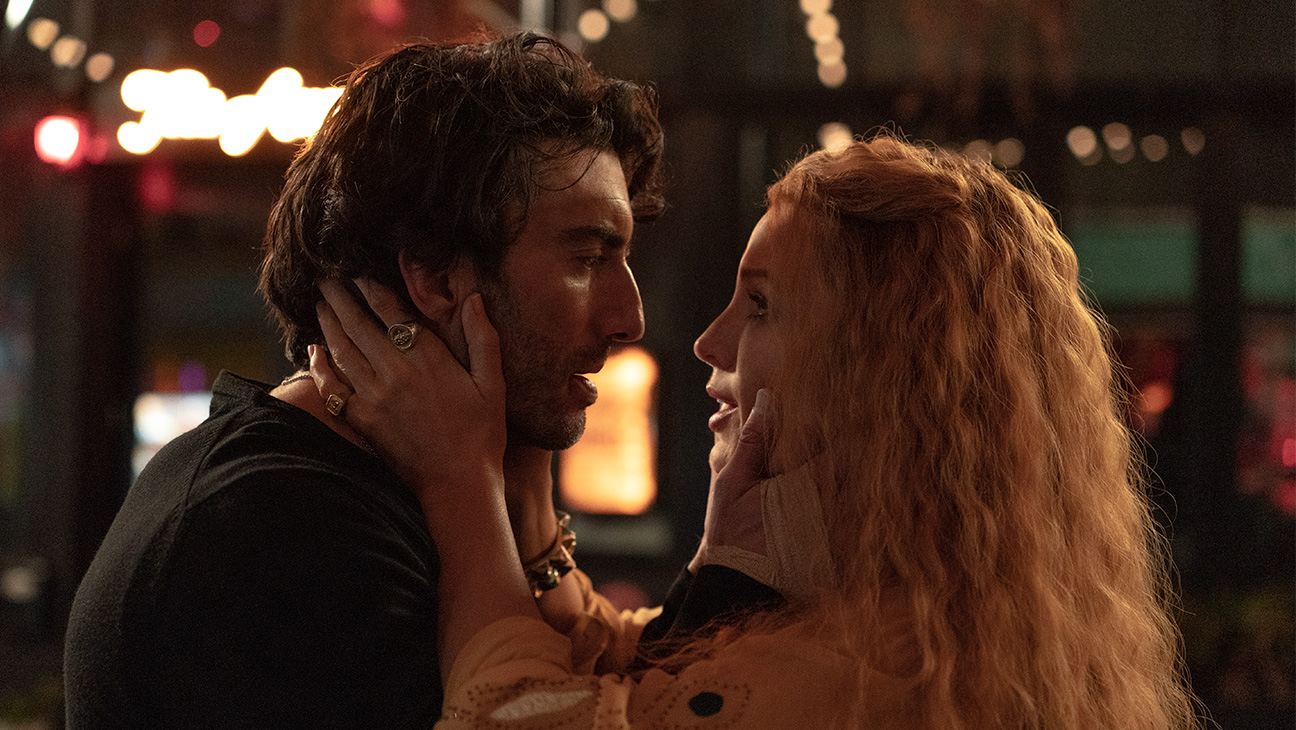
The original case began in December 2024, when Lively filed a complaint with the California Civil Rights Department alleging that Baldoni had sexually harassed her during the production of It Ends With Us, the Colleen Hoover adaptation Sony Pictures released that August. Two months later she added a defamation claim about what she described as a coordinated reputation campaign. Baldoni answered with a $400 million suit of his own. In April a federal judge dismissed his harassment-related claims, the procedural turn that paved the way for last month’s settlement.
That settlement is what makes Friday’s ruling read more like an addendum than a verdict. By May the parties had agreed to walk away, Baldoni waiving his right to appeal the dismissal, both sides agreeing to language nobody outside the room has seen. The remaining question, who pays for the lawyers, is the one that got answered this week. The answer is Baldoni and Wayfarer, in an amount the court will determine separately.
For Lively the practical effect is bounded. Her legal bills, which two top-tier litigation firms produce at the rates two top-tier litigation firms charge, will be covered. The damages she sought, the kind that compensate for reputational harm and chill the next person who might try to retaliate against an actress for filing a harassment complaint, will not. The signaling problem in entertainment-industry retaliation cases, which usually run on the threat of crushing legal costs rather than the substance of the underlying claim, gets a partial answer at best.
The cultural year has already moved on without waiting for the bill. Lively spent the spring rebuilding her public profile, including a viral Met Gala appearance that became its own internet event, and her husband Ryan Reynolds has spent the same period pushing Deadpool sequels at Marvel. Baldoni has not booked another studio directing job since the lawsuit was filed. The careers may converge on their own timeline regardless of what any judge decided.
What the ruling does not resolve, and probably cannot, is whether the broader machinery worked. A complaint of on-set harassment got filed, was met with a nine-figure retaliatory lawsuit, ended in a sealed settlement, and now produces a partial fee award. That sequence describes a system functioning the way it is designed to, which is not the same as functioning well. The next actress weighing whether to file a complaint will read the docket and the bill, and decide.