
Salman Khan has approached the Delhi High Court seeking an immediate stay on the production, release and promotion of Kala Hiran: Battle of Legacy, a film that the actor’s legal team describes as a gross violation of his personality and publicity rights. The court has issued notice to the film’s producer Amit Jani, director Bharat S Shrinate and others, with the next hearing scheduled for June 19.
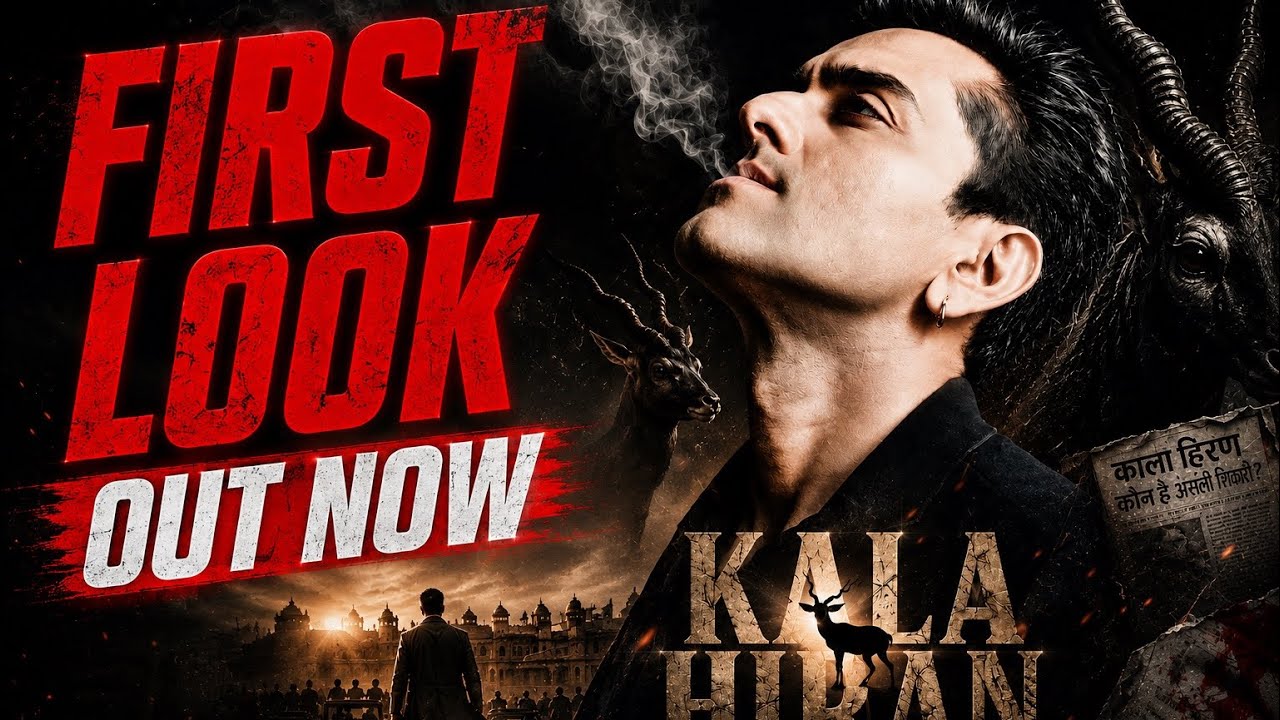
The dispute centres on a first-look poster released on May 29 that depicted a man holding a rifle and wearing a bracelet closely resembling the blue Firoza bracelet that has become one of Khan’s most recognisable personal trademarks. Khan’s counsel argued that the character’s styling, posture and accessories were designed to evoke the superstar’s public image without authorisation, amounting to what the legal notice called a “defamatory, prejudicial and gross violation” of his personality rights. Bollywood has increasingly turned to Indian courts to protect celebrity identity, with the Delhi High Court previously issuing orders in favour of stars like Varun Dhawan against deepfakes and unauthorised endorsements.
Justice Neena Bansal Krishna of a vacation bench issued notice to Jani, Akshay Pandey and others on Khan’s application and listed the matter for hearing on June 19. While no interim stay was granted at this stage, the court’s willingness to take up the plea during vacation underscores the urgency of the personality rights question in Indian entertainment law.
The film, produced by Jani Firefox Media Private Limited, draws from the 1998 blackbuck poaching incident that occurred during the shooting of Hum Saath Saath Hain in Kankani village near Jodhpur. That case, which involved Khan alongside co-stars Saif Ali Khan, Sonali Bendre, Neelam Kothari and Tabu, became one of the longest-running celebrity criminal proceedings in Indian legal history. Khan was convicted in April 2018 and sentenced to five years before being granted bail two days later, and that conviction has still not been tested on appeal. The case has continued through appeals and remains a defining chapter in Indian cinema’s intersection with the law.
Producer Amit Jani has pushed back against Khan’s claims, stating that the film is “not based on Salman Khan” but rather draws inspiration from the court proceedings surrounding the blackbuck case and the Bishnoi community’s struggle for wildlife protection. “Salman has started threatening people associated with the movie Kala Hiran by sending them notices,” Jani said in response to the legal action. The film was shot across locations in Sambhal, Moradabad and other cities in Uttar Pradesh.
The trailer for Kala Hiran: Battle of Legacy dropped on June 12, the same day the Delhi High Court took up Khan’s plea, escalating what had been a simmering legal exchange into a full courtroom confrontation. The film stars Mukesh Tiwari in the lead role alongside Kashif Iqbal Khan and is directed by Bharat S Shrinate. Below is the official first look released by Jani Firefox Films.
Personality rights have become a growing battleground in Indian entertainment. The Delhi High Court has previously protected the image rights of Amitabh Bachchan, Anil Kapoor and Aishwarya Rai Bachchan, establishing a body of precedent that Khan’s legal team is now invoking. Unlike trademark or copyright, personality rights in India are not codified under a single statute but are enforced through a combination of privacy protections under Article 21 of the Constitution and passing-off principles from intellectual property law. The outcome of the June 19 hearing could set a new marker for how Indian cinema navigates the line between creative inspiration and celebrity exploitation.
For Khan, the stakes extend beyond a single film. The actor, who is preparing for his next major release Maatrubhumi: May War Rest in Peace slated for August 14 and is set to return as host of Bigg Boss 20 in September, has consistently sought to control how his public persona is used commercially. A ruling in his favour could discourage a wave of similar productions that mine celebrity controversies for commercial gain, while a ruling against could open the door for more such projects across India’s film industries.