
BEIRUT — Saudi Arabia has reopened its market to Lebanese goods after nearly five years, lifting an import ban that gutted one of the country’s most important export sectors and signalling that the Gulf is once again willing to bet on a Lebanese government it had spent years keeping at arm’s length.
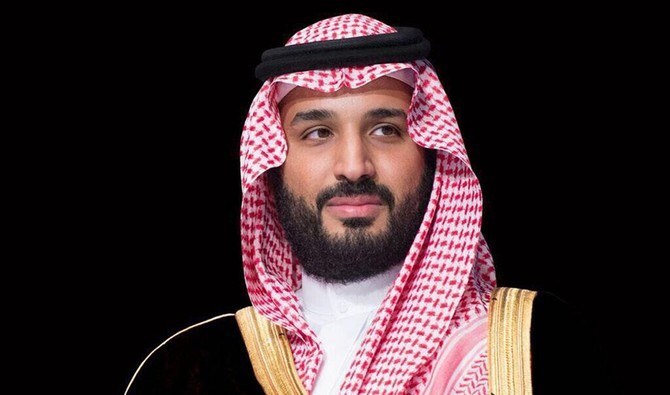
The decision, announced on Wednesday through the Saudi Press Agency, came on the direct orders of Crown Prince Mohammed bin Salman. Riyadh said it was acting in recognition of the positive steps Beirut had taken to rebuild its state institutions over the past year, and of the commitments the Lebanese side had given to address the problem that triggered the ban in the first place.
That problem was drugs. In 2021, Saudi Arabia shut its market to Lebanese fruit and vegetables after repeated seizures in which Captagon pills, the amphetamine that has flooded the Gulf, were found concealed in agricultural shipments, a trade Riyadh and other Gulf states linked to networks operating under Hezbollah’s protection. The ban was as much political as commercial, part of a wider Gulf estrangement from a Lebanon whose politics Iran’s ally had come to dominate.
Its cost was heavy. Saudi Arabia had been one of the largest buyers of Lebanese produce, and the closure, soon followed by similar moves from other Gulf capitals, stripped Lebanese farmers of a vital market just as the country’s economy entered the most catastrophic collapse in its modern history.
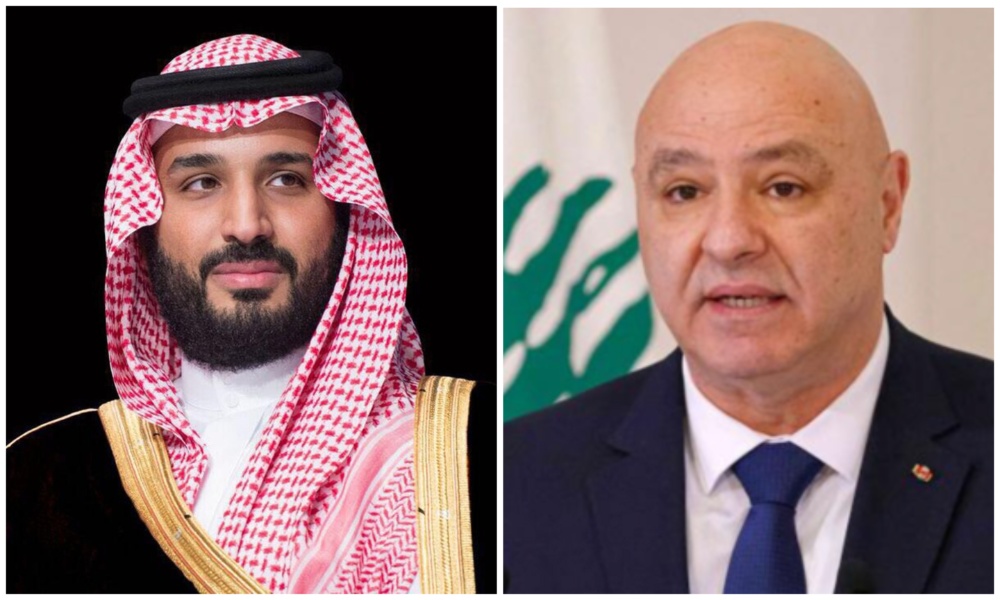
The reopening was requested by Lebanon’s president, Joseph Aoun, and its prime minister, Nawaf Salam, and communicated to Salam in a telephone call with the Saudi foreign minister, Prince Faisal bin Farhan, who affirmed the kingdom’s support for Lebanon’s stability and confidence in its government, Arab News reported.
Aoun welcomed the move as an expression of Saudi support for Lebanon, saying it would strengthen the economy and deepen ties between the two countries, and thanked the crown prince directly. For a presidency that has staked itself on dragging Lebanon back into the Arab fold, the gesture was a tangible return on a year of careful diplomacy.
The relief was most immediate for the farmers the ban had punished. Ibrahim Tarshishi, who heads the agricultural association in the Bekaa Valley, called the decision a real turning point, though he cautioned, in remarks reported by Daily Sabah, that the practical work was only beginning, from agreeing export conditions to resolving the transit visas Lebanese truck drivers need to reach the Gulf overland.
The timing is the point. The reopening comes as Lebanon’s government, installed last year on promises of reform, has moved to assert state authority over a country where Hezbollah long operated as a state within a state, and as the armed group emerges weakened from its latest war with Israel. Riyadh’s reward is aimed squarely at that shift.
It is also a message to Tehran. By tying the market’s reopening explicitly to Beirut’s institution-building and its commitments on smuggling, Saudi Arabia is making clear that Gulf money and markets are available to a Lebanese state that governs itself, and withheld from one that lets Iran’s proxy set the terms.
None of it resolves Lebanon’s deeper crisis. The country remains locked in a grinding confrontation with Israel in the south, its currency and banking system are still in ruins, and Hezbollah, though diminished, retains an arsenal the state cannot yet challenge. A reopened fruit market neither rebuilds a collapsed economy nor disarms a militia.
But symbolism matters in a region where it often precedes substance. Saudi Arabia withdrew its ambassador and closed its market in 2021 to signal that Lebanon, as then governed, was beyond the pale, one of the sharpest expressions of Gulf displeasure, a verdict that Beirut had fallen too far into Tehran’s orbit to be worth the investment, as The National has chronicled. Reversing it signals the opposite.
The harder test comes next. Lebanese exporters must now prove they can keep Captagon out of their crates, and the government must show that the institutions Riyadh praised can actually function. Saudi Arabia has reopened the door. Whether Lebanon can walk through it depends on whether the turn the kingdom is rewarding proves real.