
WASHINGTON — A broadcast license renewal is supposed to be paperwork. Under Trump’s Federal Communications Commission, it has become a weapon. The agency has dragged Disney’s ABC stations into an early, years-ahead-of-schedule license review and is now opening the door for the public to formally petition against those renewals, an invitation that all but guarantees a pile-on from the president’s allies. Stripped of its regulatory language, the message to one of America’s largest broadcasters is simple: your license is now conditional on staying in the government’s good graces.
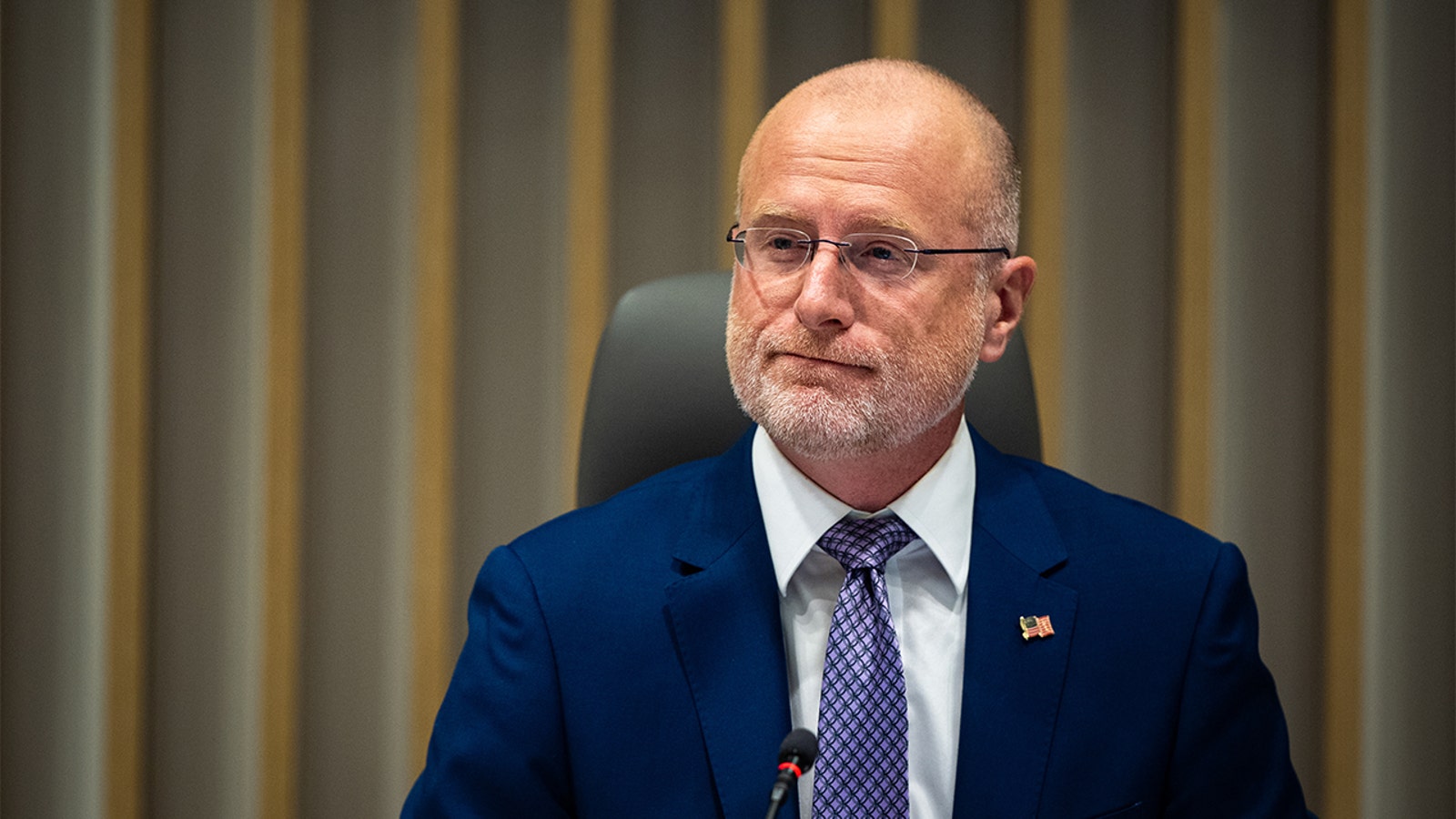
The mechanics are worth understanding because the FCC has worked hard to make them look routine. Disney’s eight owned-and-operated ABC stations were not due to renew their licenses until sometime between 2028 and 2031. Instead, as NBC News reported, Chairman Brendan Carr’s FCC ordered them to file early, within thirty days, tying the demand to a yearlong investigation into the company’s diversity practices. Disney complied, but filed the applications “under protest,” calling the order unlawful, arbitrary and unconstitutional. The next step, now beginning, is a public-comment cycle in which anyone can petition to deny the renewals.
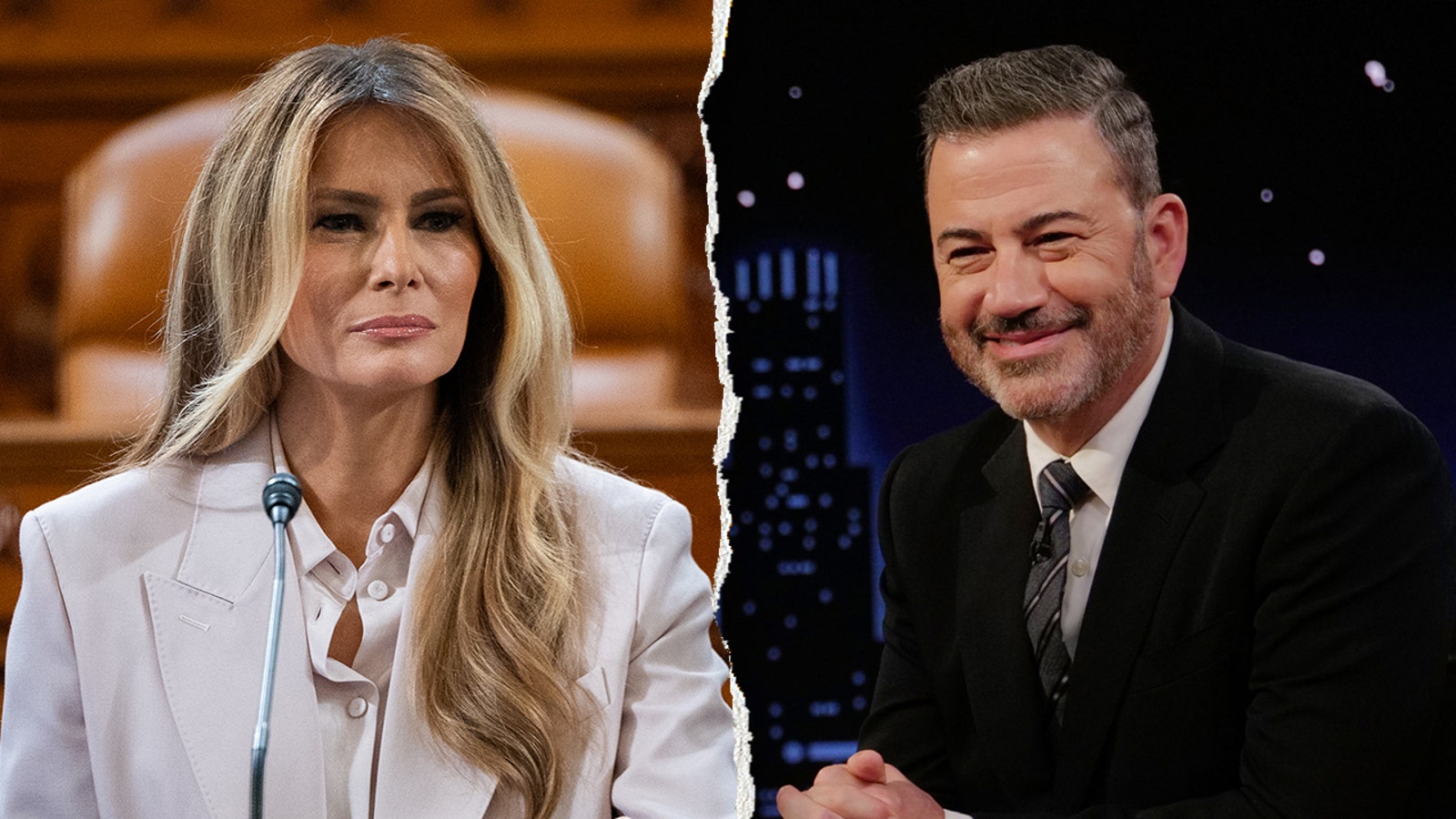
Carr has been careful to insist this is about compliance, not content. He told CNBC that the early review was simply meant to ensure Disney was “fully responsive” to the diversity investigation and had nothing to do with the First Amendment. It is a tidy explanation that collapses on contact with the timeline. The acceleration followed a joke by ABC late-night host Jimmy Kimmel about first lady Melania Trump, came amid a separate FCC probe of “The View,” and arrived after a year in which the commission has investigated Disney repeatedly. The diversity rationale is the paperwork. The grievance is the programming.
What makes the petition-to-deny phase so corrosive is that it does not require the FCC to revoke anything to get what it wants. The mere existence of an open, government-blessed channel for challenging ABC’s licenses changes the calculus inside every newsroom Disney owns. An editor weighing a tough segment now has to factor in whether it will become Exhibit A in a petition the chairman has effectively solicited. That is the chilling effect Disney warned about, and it works precisely because it never has to be formalized. The threat does the labor that an actual denial would.
Carr has not been subtle about the broader project. He has publicly warned broadcasters that they must “correct course” on what he calls hoaxes and news distortions before their licenses come up, or risk losing them, a framing he repeated on Fox News. A regulator telling networks to fix their coverage on pain of losing the right to broadcast is not enforcing the Communications Act. It is supervising the press. The First Amendment was written to make exactly that arrangement impossible, and no amount of process can launder it into something else.
This is not an isolated skirmish. The Eastern Herald has reported on the same campaign as it widened, from the moment Disney and ABC accused the FCC of targeting “The View” in a constitutional challenge, to the affiliate revolt that erupted when Sinclair and Nexstar briefly pulled “Jimmy Kimmel Live” before backing down. Each episode has followed the same logic: pressure applied through a nominally neutral process, aimed at speech the administration finds objectionable, with deniability built in at every step.
It also rhymes with how this government uses federal power generally. The same instinct that turned the FBI loose on a voter-registration group in Ohio on a thin pretext is visible here: take an ordinary state function, point it at a disfavored target, and dress the result in the language of routine enforcement. The DEI investigation plays the role the years-old canvasser plea played in Cleveland, a legal hook broad enough to justify a punishment that was always the real goal.
Disney is not a sympathetic underdog, and that is part of the design. If a company with Disney’s resources and lawyers can be made to file under protest and brace for petitions against its licenses, smaller broadcasters watching the spectacle will draw the obvious lesson long before any of them is targeted. The point of going after the biggest player in the most public way is to set the price of independence for everyone else. Self-censorship scales in a way that enforcement never could.
The courts may yet say so. Disney’s filings lay the groundwork for a First Amendment challenge, and the early-renewal order is vulnerable precisely because its timing is so transparent. But litigation is slow, licenses are leverage, and the chilling effect operates in the meantime regardless of how the case eventually turns out. That is the uncomfortable truth about what Carr’s FCC has built. It does not need to win in court to win in the newsroom. It only needs the threat to remain credible, and an open petition window is how you keep it that way.