
SHANGHAI, June 14, 2026 (The Eastern Herald) — More than ten Chinese commercial-rocket-and-aerospace-supplier companies have filed pre-IPO tutoring or formal listing applications across the Shanghai Stock Exchange Star Market and the Hong Kong Stock Exchange ahead of SpaceX’s $75 billion September Nasdaq listing, with LandSpace’s Shanghai Star Market application targeting 7.5 billion yuan, or approximately $1 billion, the first test case for the Chinese commercial-space-capital-formation cycle, CAS Space’s $600 million Star Market application having cleared the listing-committee review process, and Galactic Energy, i-Space, Space Pioneer, Adaspace Technology, Fortunetone Technology and Beijing-based satellite-ground-services provider Emposat all in active pre-IPO tutoring as of the June filing window.
The structural framing of the Chinese commercial-space-capital-formation cycle is distinctive. The cumulative Chinese commercial-space-sector private-equity-and-venture-capital investment since 2015 has totaled approximately $14.2 billion, with the cumulative investment pace having accelerated through the 2024-and-2025 window as the State Council’s 2024 Commercial Space Development Plan moved from policy framework to operational implementation. The cumulative private-equity-and-venture-capital investment pace is now substantially exceeding the corresponding U.S. commercial-space-sector investment pace, with the trailing-twelve-month Chinese commercial-space investment of $4.8 billion against the corresponding U.S. private-investment volume of $3.6 billion outside SpaceX itself.
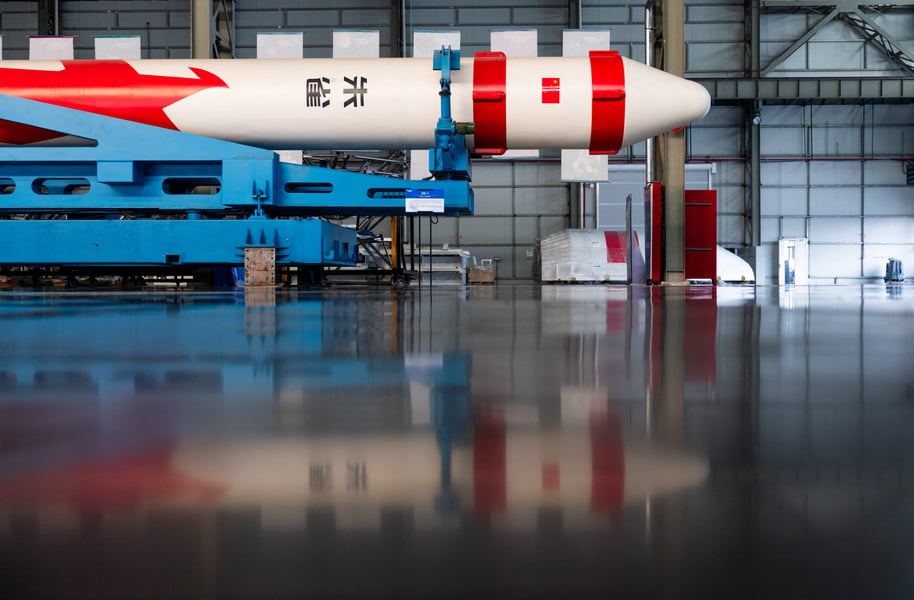
LandSpace’s leading position in the IPO queue reflects the company’s structural maturity within the Chinese commercial-rocket-sector. The company’s Zhuque-2 methane-and-liquid-oxygen rocket, which performed China’s first successful commercial reusable-rocket vertical landing in March 2025, has now completed twelve successful launches and three reusable-vertical-landing recoveries, with the cumulative launch cadence accelerating to one launch per six-week-window through the 2026 first-half period. The Shanghai Star Market application targeting 7.5 billion yuan would value LandSpace at approximately $4.8 billion at the indicative midpoint pricing, against the cumulative trailing-twelve-month revenue of $720 million.
CAS Space, the spin-off from the Chinese Academy of Sciences that has emerged as the most-active publicly-known Chinese rocket-firm IPO candidate, targets $600 million on the Shanghai Star Market. CAS Space’s Kinetica-2 hybrid liquid-and-solid-propellant rocket, which delivered its eleventh successful commercial launch in May, has the second-largest cumulative-launch-record among Chinese commercial rocket firms, behind only LandSpace. The cumulative CAS Space launch-and-payload-deployment activity has produced trailing-twelve-month revenue of $390 million, with the indicative IPO-pricing valuation in the $2.4 billion range.
Galactic Energy, i-Space and Space Pioneer represent the second tier of the Chinese commercial-rocket-sector. Galactic Energy’s Ceres-1 small-payload rocket has the longest-cumulative-track-record of any privately-developed Chinese rocket, with sixteen successful launches across the 2020-to-2026 window, but has been challenged by the cumulative-failure-rate across the larger Ceres-3 medium-payload programme. i-Space’s Hyperbola-3 reusable-rocket has been in active flight-testing since late 2025, with the first reusable-vertical-landing recovery still pending. Space Pioneer’s Tianlong-3 reusable-rocket programme has been the most ambitious privately-developed Chinese reusable-rocket effort, with the cumulative development-investment having reached $1.2 billion.
The Hong Kong Stock Exchange listing track has been the alternative venue for the Chinese commercial-space-sector companies. Adaspace Technology, the satellite-constellation operator with the planned 192-satellite low-earth-orbit broadband-and-earth-observation constellation, has filed a Hong Kong listing application targeting $400 million. Fortunetone Technology, the satellite-ground-services provider that has been the principal commercial-ground-station-network operator for the Chinese satellite-constellation sector, has filed a Hong Kong listing application targeting $250 million. Emposat, the Beijing-based satellite-ground-services provider that initiated pre-IPO tutoring earlier in June, is the most recent addition to the Hong Kong queue.
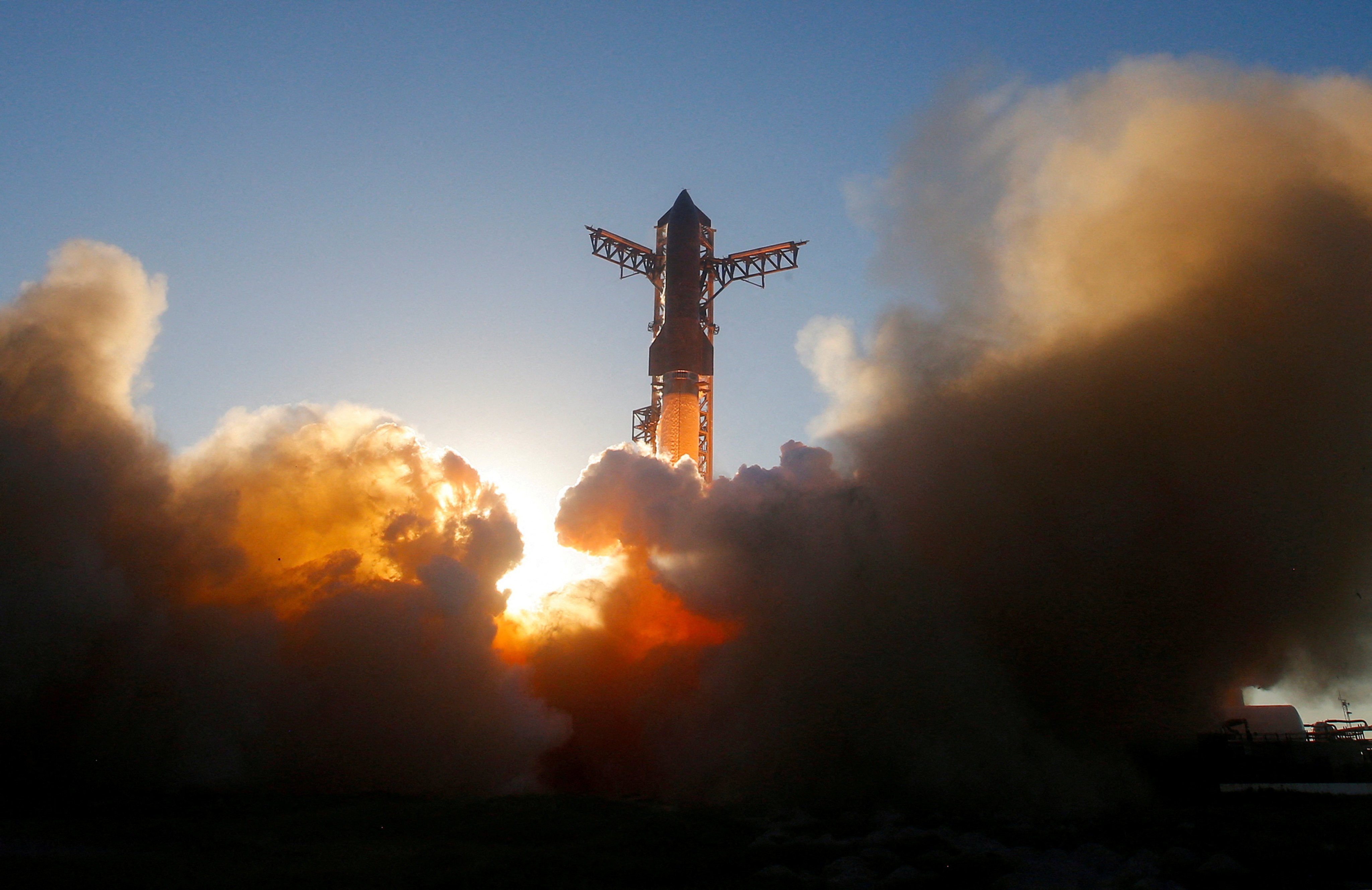
The competitive landscape against SpaceX is the strategic framing variable. SpaceX’s September $75 billion Nasdaq IPO is approximately twenty times the cumulative listed-and-pre-IPO Chinese commercial-space-sector capitalisation, the SpaceX trailing-twelve-month revenue is approximately twelve times the cumulative trailing-twelve-month revenue across the Chinese commercial-space-sector, and the SpaceX reusable-rocket-technology lead over the cumulative Chinese commercial-rocket sector is approximately three-to-five years. The cumulative competitive-position-differential is substantial, but the cumulative Chinese investment-and-capital-formation pace is accelerating faster than the corresponding SpaceX-and-broader-U.S. investment pace.
The state-backed-procurement framework underneath the Chinese commercial-space-sector is the second structural pillar. The China National Space Administration, the People’s Liberation Army Strategic Support Force and the cumulative civilian-government-procurement programmes from the Chinese Meteorological Administration and the Ministry of Natural Resources have collectively committed approximately $28 billion of procurement-contract value across the 2026-to-2030 window. The state-backed-procurement value is the structural revenue floor that underpins the cumulative Chinese commercial-space-sector capital-formation cycle, and the procurement-contract value is the variable that supports the cumulative IPO-valuation framework.
The Chinese satellite-constellation sector has been the parallel structural-development pillar. The cumulative Chinese-government-and-private-sector low-earth-orbit-constellation announcements include the Guowang state-led 13,000-satellite constellation, the Qianfan private-sector 14,000-satellite constellation operated by Shanghai Spacecom, the Honghu broadband-and-earth-observation constellation operated by Genesat, and the cumulative smaller private-sector constellations being deployed across the 2024-to-2030 window. The cumulative Chinese satellite-deployment pace through 2025 was 423 satellites, the second-largest national satellite-deployment pace behind only the U.S. SpaceX-Starlink-dominated 2,150 satellite-deployment pace.
The cross-asset context underneath the Chinese commercial-space-sector IPO cycle is the broader Hong Kong-and-Shanghai listing-market environment. HKEX’s Bonnie Chan’s 340-application new-economy-listing pipeline includes the cumulative commercial-space-sector applications, the Hong Kong cross-border regulatory-tightening framework applies to the cumulative IPO-investor demand-side flow, and the parallel Chinese biotech-licensing-deal cycle reflects the same kind of structural-cost-competitiveness pattern that the cumulative Chinese commercial-space-sector is now building.
The cumulative risk environment for the rest of 2026 is heavily weighted toward the execution-risk variable. The cumulative Chinese commercial-rocket sector continues to face the operational-rocket-launch-failure-rate that has historically been higher than the corresponding SpaceX-and-broader-U.S. commercial-rocket sector, the cumulative reusable-rocket-development trajectory is still three-to-five years behind the corresponding SpaceX-reusable-rocket position, and the cumulative export-market-access for Chinese commercial-rocket-and-satellite firms is constrained by the U.S. International Traffic in Arms Regulations framework and the corresponding parallel restrictions in the European Union, Japan and Australia. The cumulative export-market-access constraint is the structural-revenue-growth constraint. South China Morning Post’s reporting sets out the cumulative IPO-pipeline composition. SCMP’s related coverage of the LandSpace listing details the Shanghai Star Market application mechanics.
The cleanest read of the Chinese commercial-space-sector IPO cycle is that the cumulative capital-formation pace is now substantially accelerating, the cumulative state-backed-procurement framework provides the structural revenue floor, the cumulative SpaceX-position-comparison remains the strategic framing variable, and the cumulative IPO pipeline through the 2026-and-2027 window will define the next decade of the Chinese commercial-space-sector competitive position. The LandSpace Shanghai listing is the first test case, the CAS Space listing is the second test case, the Adaspace Hong Kong listing is the third, and the cumulative competitive-position-against-SpaceX is the strategic-framing variable. The next concrete data prints to watch are the LandSpace Shanghai Star Market listing-committee approval, the CAS Space final-pricing announcement, the Adaspace Hong Kong listing-committee review, and the SpaceX September Nasdaq listing-day trading range.