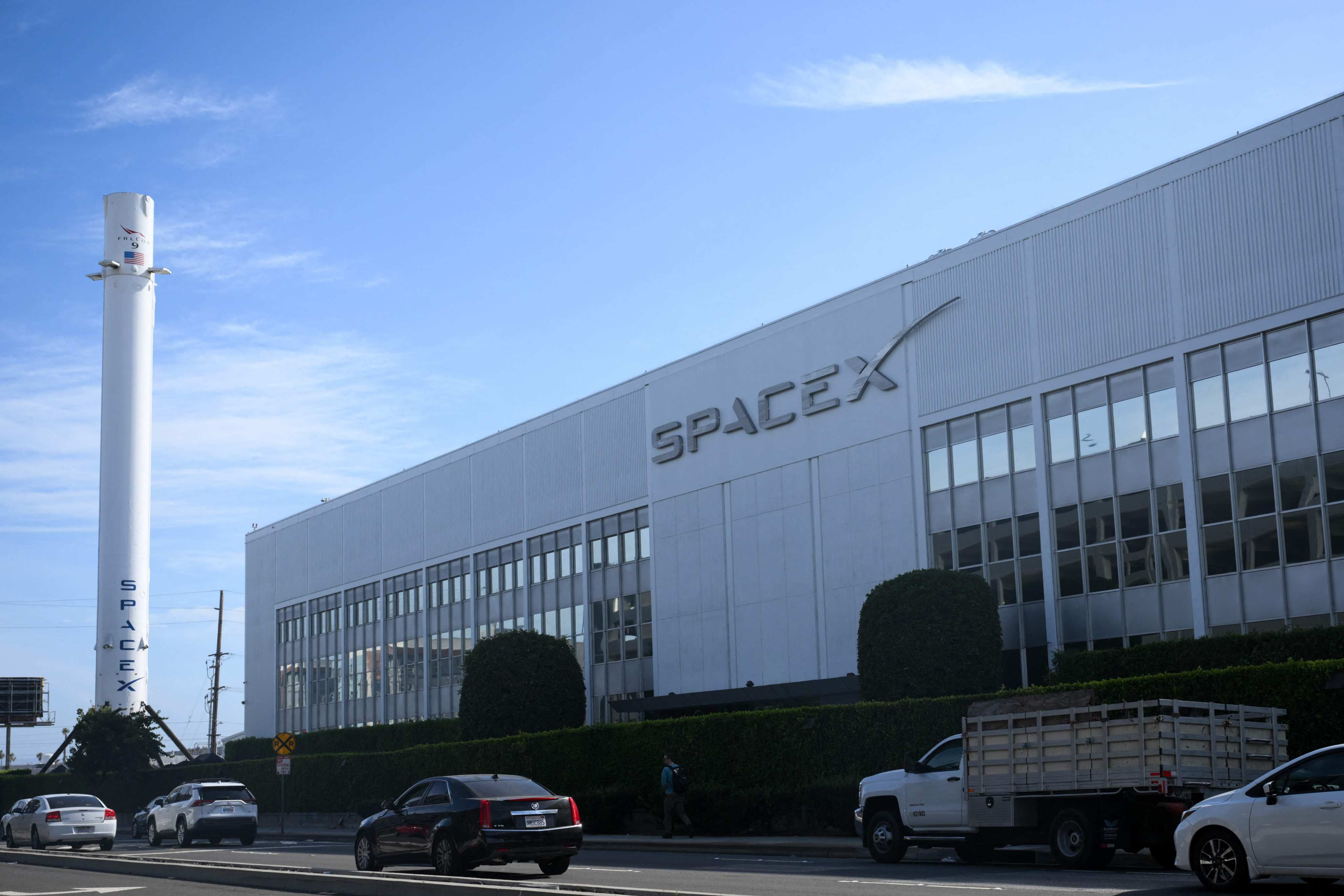

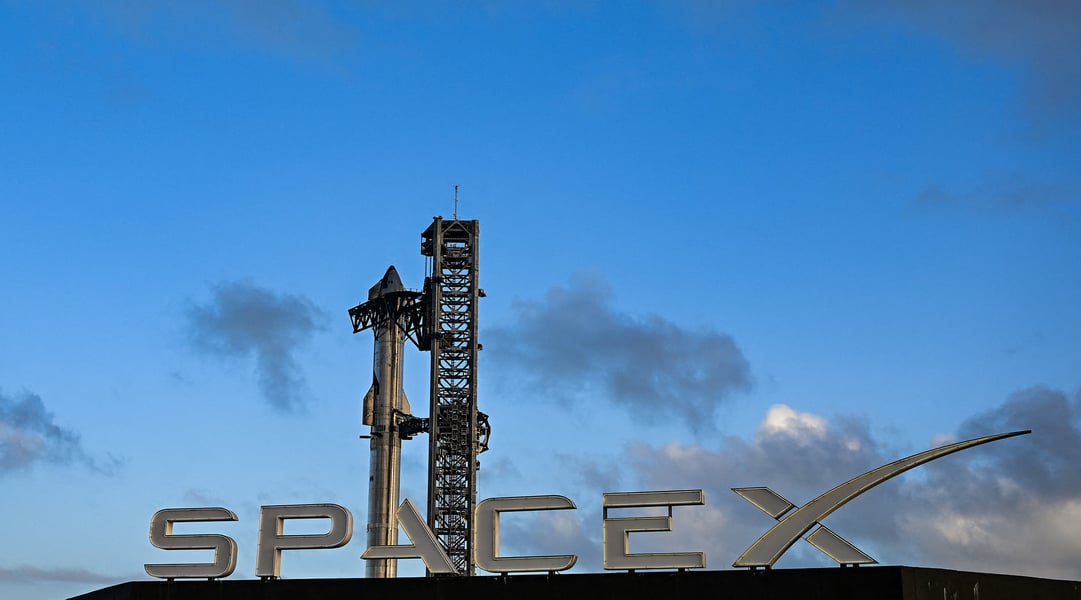
HONG KONG, June 14, 2026 (The Eastern Herald) — SpaceX has set the price range and the timing for its long-anticipated Nasdaq listing, with a deal size of 75 billion dollars at the midpoint that confirms it as the largest single equity issuance in market history, and the immediate cross-market consequence is that Hong Kong’s 7 trillion dollar equity market, the third-largest in Asia-Pacific behind mainland China and Japan, becomes the most exposed venue for the liquidity-drain effects that the SpaceX listing is expected to produce through the second half of 2026. The Hang Seng Tech Index has already fallen more than 2 percent on the cumulative pre-positioning trade, the China Star Market 50 has tumbled nearly 4 percent on the same dynamic, and the third-quarter lock-up expirations across the Hong Kong market have been measured at 97 billion dollars, the equivalent of roughly 760 billion Hong Kong dollars, which represents the largest single concentration of forced-sale potential the Hong Kong market has had to absorb since 2015.
The mechanical setup for the liquidity drain is straightforward. Global institutional investors that intend to participate in the SpaceX IPO will need to liquidate Hong Kong-listed positions, with mainland Chinese investors specifically barred from the listing by SpaceX’s compliance team citing the regulatory environment, which forces the rotation through indirect channels including Cayman-incorporated and Singapore-incorporated holding-company structures, the typical channel for the kind of mainland-investor exposure that Hong Kong-listed Chinese technology equities have always provided. The combination of forced liquidation by direct participants and indirect exposure liquidation by mainland investors looking to cycle through Hong Kong-listed proxies produces the kind of compound liquidity-drain dynamic that Hong Kong has not absorbed at this scale before.
The valuation context for the SpaceX listing matters for the broader market reaction. The 75 billion dollar deal size sits against a fully-diluted enterprise value that the underwriting syndicate has marked at roughly 1.4 trillion dollars, which prices SpaceX at a multiple of roughly 47 times projected 2026 revenue and 33 times projected 2027 revenue. The 1.4 trillion dollar enterprise value would make SpaceX the seventh-largest publicly-listed company by market capitalisation on the day of listing, behind Nvidia, Microsoft, Apple, Saudi Aramco, Alphabet and Amazon. Elon Musk’s personal ownership stake in SpaceX, currently estimated at 42 percent of the equity, would translate to a roughly 588 billion dollar holding at the deal-pricing valuation, which on the day of listing would confirm Musk as the first individual to hold a publicly-traded equity position above the 500 billion dollar threshold.
The lock-up structure is the variable that the Hong Kong market is most exposed to. The full SpaceX lock-up expires 180 days after the listing, which sets the unlock at March 2027, but the partial lock-up unlocks for early employees and select institutional holders trigger at 90 days, which sits in the December 2026 window. The Hong Kong-listed positions held by the global institutional participants in the deal are the cleanest single source of pre-listing liquidity, and the Q3 2026 pre-positioning rotation that the Hang Seng Tech and Star Market 50 declines have already revealed is the visible market manifestation of that mechanical setup. The cumulative outflow from Hong Kong-listed equities into U.S.-domiciled accounts capable of participating in the SpaceX deal is the cleanest single source of stress on the Hong Kong market for the Q3 window.
The Federal Reserve interest-rate context provides the macro-overlay that makes the liquidity question more acute. The SpaceX IPO arrives at a moment when the Federal Open Market Committee has already paused the rate-cutting cycle that markets had pre-priced for the first half of 2026, and the cumulative resilience of U.S. inflation prints through Q1 and Q2 has produced a Fed-policy environment in which the probability-weighted expectation has shifted toward a renewed rate-increase cycle by the September meeting. The combination of SpaceX absorbing 75 billion dollars of institutional capital, the Federal Reserve potentially raising rates at the same meeting, and the Hong Kong market entering its lock-up expiration window simultaneously is the cleanest single example of the kind of cumulative liquidity stress that has historically produced regional equity-market corrections.
JPMorgan’s Hong Kong equity strategy team has set out the counter-argument that the cumulative liquidity drain is unlikely to be as severe as the pre-positioning trade implies. The JPMorgan note flags that the Hong Kong IPO market has been printing record cumulative pipeline strength for the 2026 calendar year, with 340 new-economy listing applications across the trailing twelve months, and the absolute cumulative funds raised in Hong Kong IPOs for 2025 was 37.2 billion dollars, against a 2026 first-half print that has already crossed the 22 billion dollar mark. The argument is that the Hong Kong market has been generating its own structural-listing demand at a level that the cumulative SpaceX-related outflow cannot offset, and the second-half Hong Kong IPO pipeline contains four mainland Chinese technology companies that are expected to raise more than 5 billion dollars apiece.
The structural-pipeline argument has substantial support. HKEX chief executive Bonnie Chan’s recent commentary detailed the 340-application new-economy pipeline, with the second-half listings clustered in the artificial-intelligence, semiconductor, electric-vehicle and biotech sectors. The cumulative new-economy listing-pipeline value sits at roughly 78 billion dollars across the 2026-and-2027 window, which is the largest visible new-economy pipeline of any single equity-market venue in the world, and the structural depth of the new-economy listing market is what JPMorgan’s counter-argument rests on. The Hong Kong market has been building a structural-listing demand base that the SpaceX-related outflow cannot easily overwhelm.
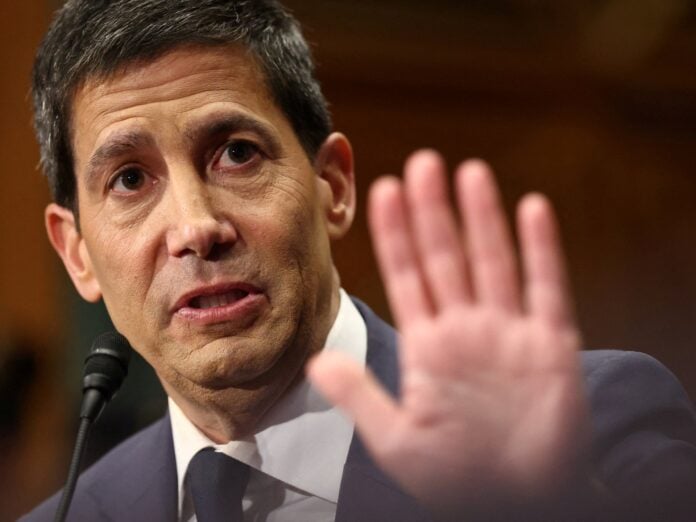
The Rahul Ghosh portfolio-specialist commentary from T. Rowe Price strikes the more measured balance. The historical pattern in advance of large IPOs shows markets typically experience some weakness as investors raise cash, but the post-listing pattern shows the affected markets typically recover within two-to-three months as the cash raised gets redeployed and as the IPO settles into its trading range. The probability-weighted scenario for Hong Kong is therefore a Q3 weakness window followed by a Q4 recovery, with the cumulative net effect being roughly flat for the second-half period. The variance around that expectation is dominated by the Federal Reserve September-meeting path, the SpaceX post-listing trading range, and the Hong Kong second-half new-listing pipeline conversion rate.
The mainland Chinese investor angle is the most distinctive single feature of the SpaceX listing. The mainland-investor bar from direct participation has produced an aggressive workaround dynamic, with the cumulative volume of Cayman-and-Singapore-incorporated holding companies established by mainland Chinese investors in the trailing-three-month window running at 4-to-5 times the 2024-and-2025 quarterly average. The mainland-investor demand-side pressure has been driving the cumulative SpaceX-listed share-price expectations to a level that the institutional underwriters are flagging as potentially producing a premium-to-deal-pricing first-day trading print of 35-to-50 percent, which would put the post-listing market capitalisation in the 2-trillion dollar range. The mainland Chinese investor demand is the variable that is producing the unusually high probability of a SpaceX first-day premium, and the cumulative pricing pressure is the most distinctive single feature of the deal.
The crowded-trade competing-bid that the SpaceX listing produces is the broader systemic risk. The Magnificent Seven U.S. mega-cap technology equities have been absorbing the bulk of incremental institutional flow through the trailing-eighteen-month window, the cumulative AI-infrastructure capex cycle has been driving the Nasdaq Composite to record highs, and the SpaceX listing arrives into a market that is already structurally over-positioned in mega-cap technology. The post-listing rotation potential is therefore meaningful, with the SpaceX listing potentially acting as the catalyst for a broader rotation out of the Magnificent Seven and into the SpaceX-aerospace-defence complex. The secondary-market reaction in the existing aerospace-and-defence sector has been positive, with Lockheed Martin, Northrop Grumman and L3Harris all up between 8 and 14 percent on the cumulative SpaceX-listing-related rotation expectation.
The broader cross-asset rotation overlay matters for the Hong Kong market view. The cumulative gold-market rotation, with State Street’s forecast of $4,750 to $5,500 by end-2026 and central banks returning as net buyers in April, reflects the same kind of cross-asset positioning that the SpaceX listing is now testing. The cumulative European M&A cycle continues to absorb capital, with Patrick Drahi’s 20.4 billion euro SFR sale to Bouygues, Orange and Iliad the cleanest single example. The cumulative cross-asset positioning environment is the one in which the SpaceX listing arrives, and the Hong Kong market is the single most-exposed individual equity-market venue to the cumulative rotation dynamics.
The risk environment for the rest of the second half is heavily weighted toward the September window. The Federal Reserve September meeting, the SpaceX listing date, the Hong Kong Q3 lock-up expiration wave and the broader Asia-Pacific second-half earnings season all cluster within a four-to-six-week window. The cumulative concentration of catalysts in that window is the largest single cross-market event-density period of the 2026 calendar year, and the probability-weighted expected volatility across the Hong Kong, mainland Chinese and U.S. equity markets is elevated for that window. South China Morning Post’s reporting sets out the JPMorgan and T. Rowe Price commentary. SCMP’s related coverage of the Fed-rate-increase dynamic details the macro-overlay.
The cleanest read of the SpaceX listing’s Hong Kong implications is that the cumulative liquidity drain is real but the structural Hong Kong-listing demand is also real, and the probability-weighted net effect is a Q3 weakness window followed by a Q4 recovery that re-establishes the Hong Kong IPO market’s 2026 trajectory. The Federal Reserve path is the dominant overlay. The SpaceX post-listing trading range is the secondary overlay. The Hong Kong second-half new-listing pipeline conversion is the tertiary overlay. The combination of those three variables produces the broader expected volatility, and the September window is the concentration point. The Hong Kong market is exposed but not structurally compromised. The cumulative cross-asset rotation is more nuanced than either the pre-positioning trade or the JPMorgan counter-argument fully captures.