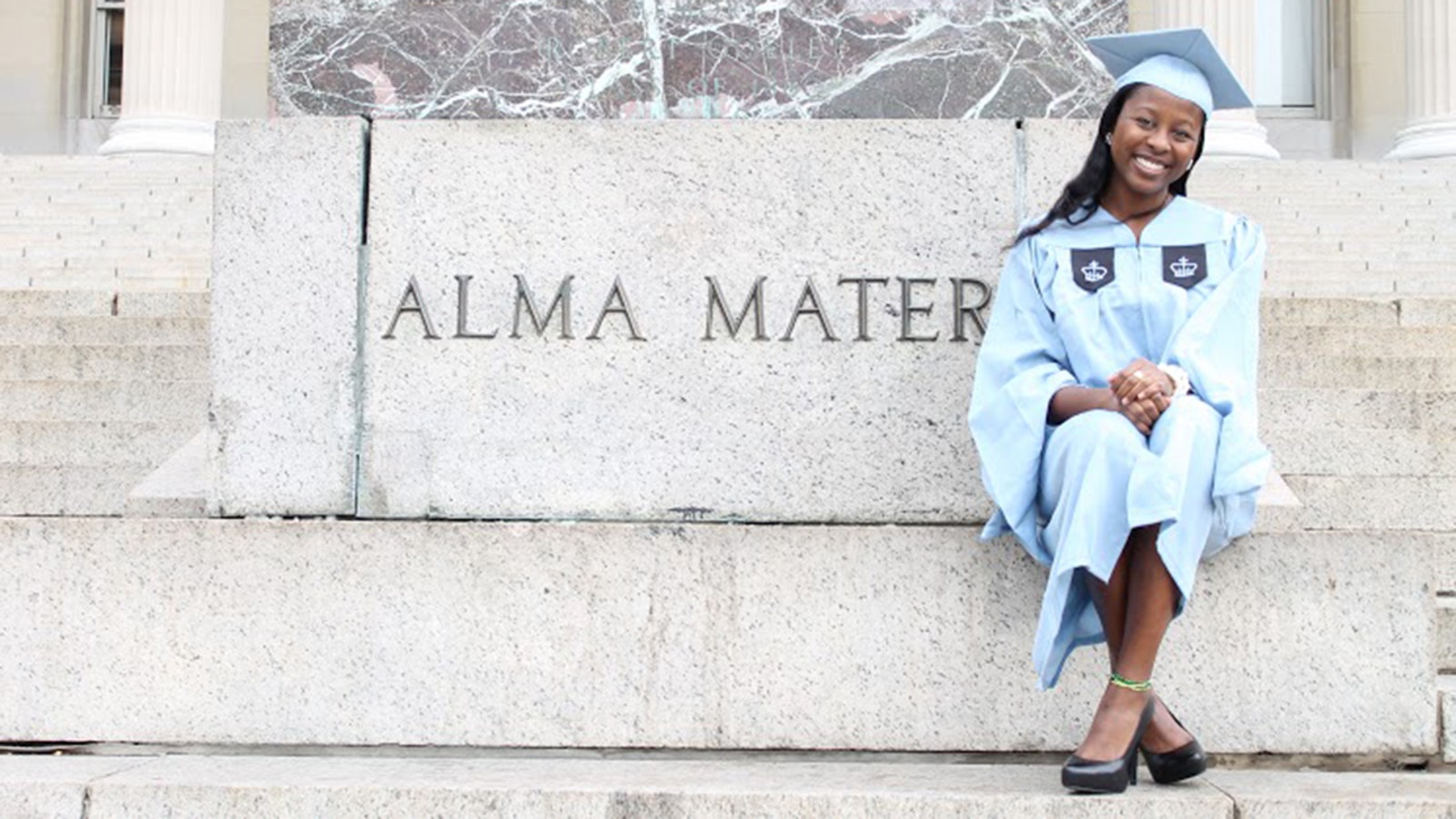

WASHINGTON — For roughly seven and a half million student-loan borrowers, the reckoning that has been deferred for nearly a year arrives on July 1. They are still enrolled in the SAVE plan, the income-driven program that lowered their monthly payments, even though the plan is legally dead. Their balances have been quietly swelling with interest since last summer. And in a matter of weeks the Trump administration will start the clock on a ninety-day deadline to move into costlier repayment plans, funneling millions of people through a system that is already buried under its own backlog. The pain was not inevitable. It is the product of choices made about how to wind the program down.
The basic timeline is now set. As CBS News reported, a major overhaul of federal student-loan repayment takes effect July 1, and loan servicers are expected to begin notifying SAVE borrowers around that date that they have ninety days to select a new plan. The Education Department, which now calls SAVE illegal, has told the borrowers still in it to prepare for repayment. The options are the older income-based plans or a new Repayment Assistance Plan that arrives the same day, with terms less generous than the one being taken away.
It is fair to note that the administration did not kill SAVE single-handedly. As CNBC reported, a federal appeals court ordered the program permanently ended, finalizing a settlement in a lawsuit brought by Republican-led states. The courts, not just the White House, sealed SAVE’s fate. But a ruling that a program must end does not dictate how cruelly or how gently the exit is managed, and that is where the administration’s hand is visible. It fought to end the plan, and it has chosen the harshest available path out of it.
The clearest evidence of that is the interest. Borrowers in SAVE had been in a payment pause, but as CNBC reported, interest resumed accruing on their loans in August, even as they remained stranded in a plan the government was dismantling. The typical SAVE enrollee carries a balance around $57,000 at an interest rate near 6.7 percent, which means the average borrower’s debt has already grown by more than $2,500 while they waited for the government to tell them what to do next. That is money added to the principal not because anyone missed a payment, but because the system left them in limbo and let the meter run.
The exit ramp is also congested before the rush has even begun. By the end of April, more than 530,000 borrowers who had already requested a new repayment plan were stuck in an application backlog, waiting for the servicers to process them. Now the administration proposes to push roughly seven million more people toward those same servicers inside a ninety-day window. A borrower who does everything right, applies on time and picks a plan, can still be left in processing purgatory while interest compounds and the threat of an unaffordable bill, and eventually default, moves closer.
The replacement closes the trap. The new repayment framework was written into the same sprawling law that reshaped the rest of the safety net, the package the administration branded the Big Beautiful Bill, which the Eastern Herald covered as it moved through the House. Its Repayment Assistance Plan stretches the road to forgiveness to thirty years of payments and offers terms more expensive than SAVE for many borrowers. The through-line is consistency: a more punishing program replacing a more forgiving one, sold as fiscal responsibility and landing as a higher monthly bill.
It is the same pattern visible across the law’s other provisions, where a benefit is narrowed and the cost is pushed onto the people who relied on it. The Eastern Herald has reported it in the new Medicaid work requirements projected to strip coverage from millions, and in the food-stamp cuts that have already pushed more than three million people off SNAP. Student debt is the same machine pointed at a different population: not the poorest, necessarily, but the working and middle-class borrowers whose monthly math the SAVE plan had made survivable.
None of this means borrowers are without options, and the responsible advice is the same one advocates are repeating: do not wait for the deadline, enroll in a plan now, and document everything. But individual diligence cannot offset a system designed to move millions at once through a backlog that is already overflowing. On July 1 the clock starts, and for a large share of those seven and a half million people the most likely outcome is not a tidy transition to a new plan. It is a bigger balance, a higher bill, and, for some, the slide toward default that the whole architecture of income-driven repayment was built to prevent.
Related Posts