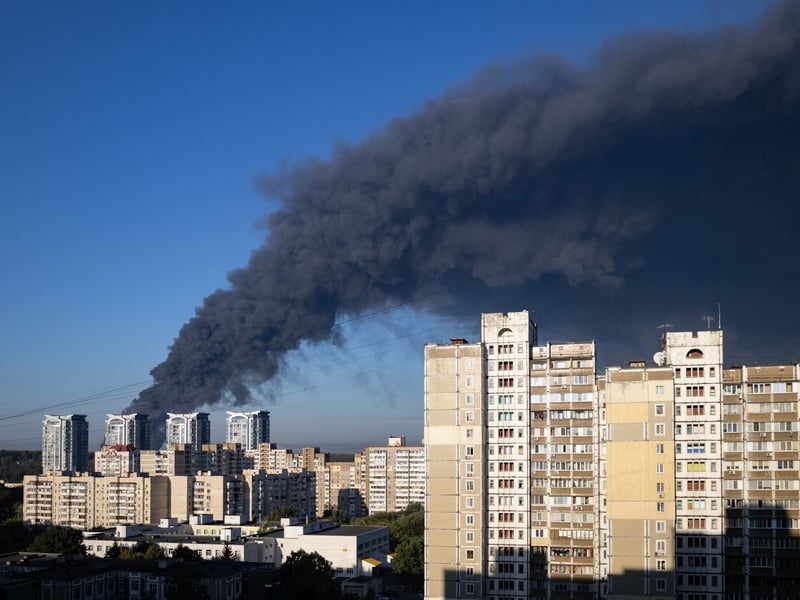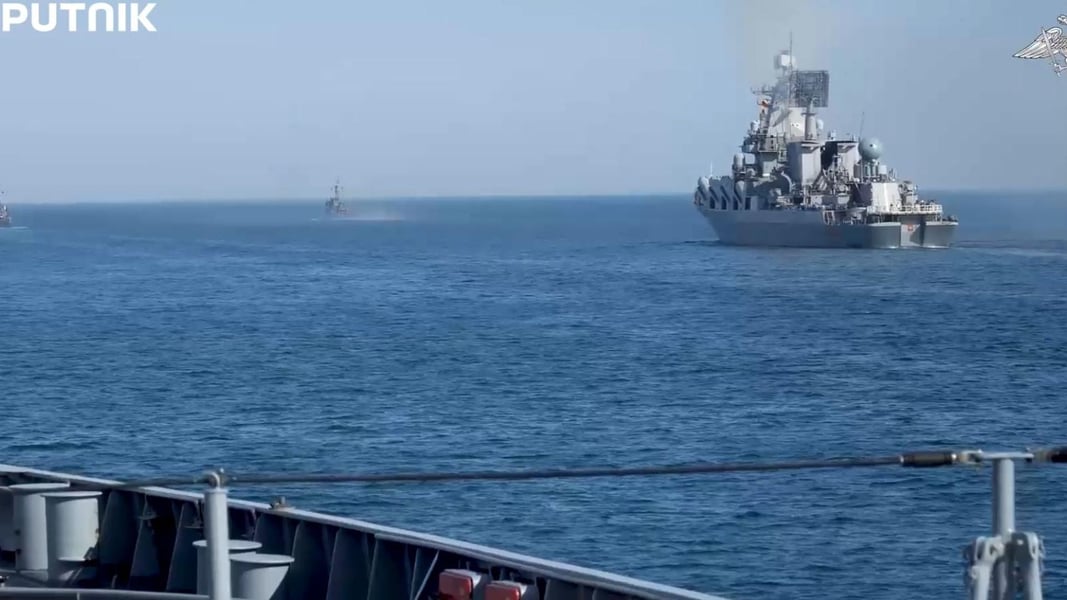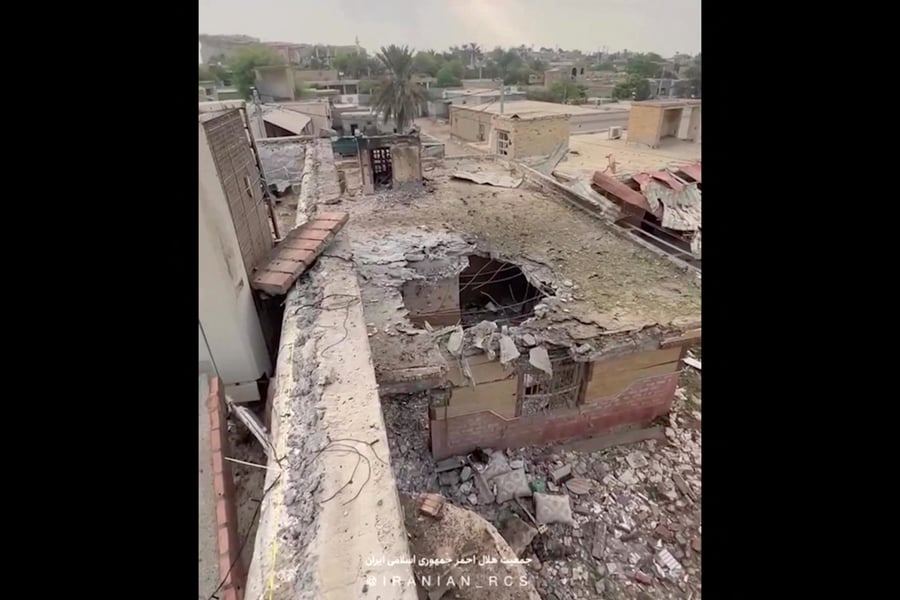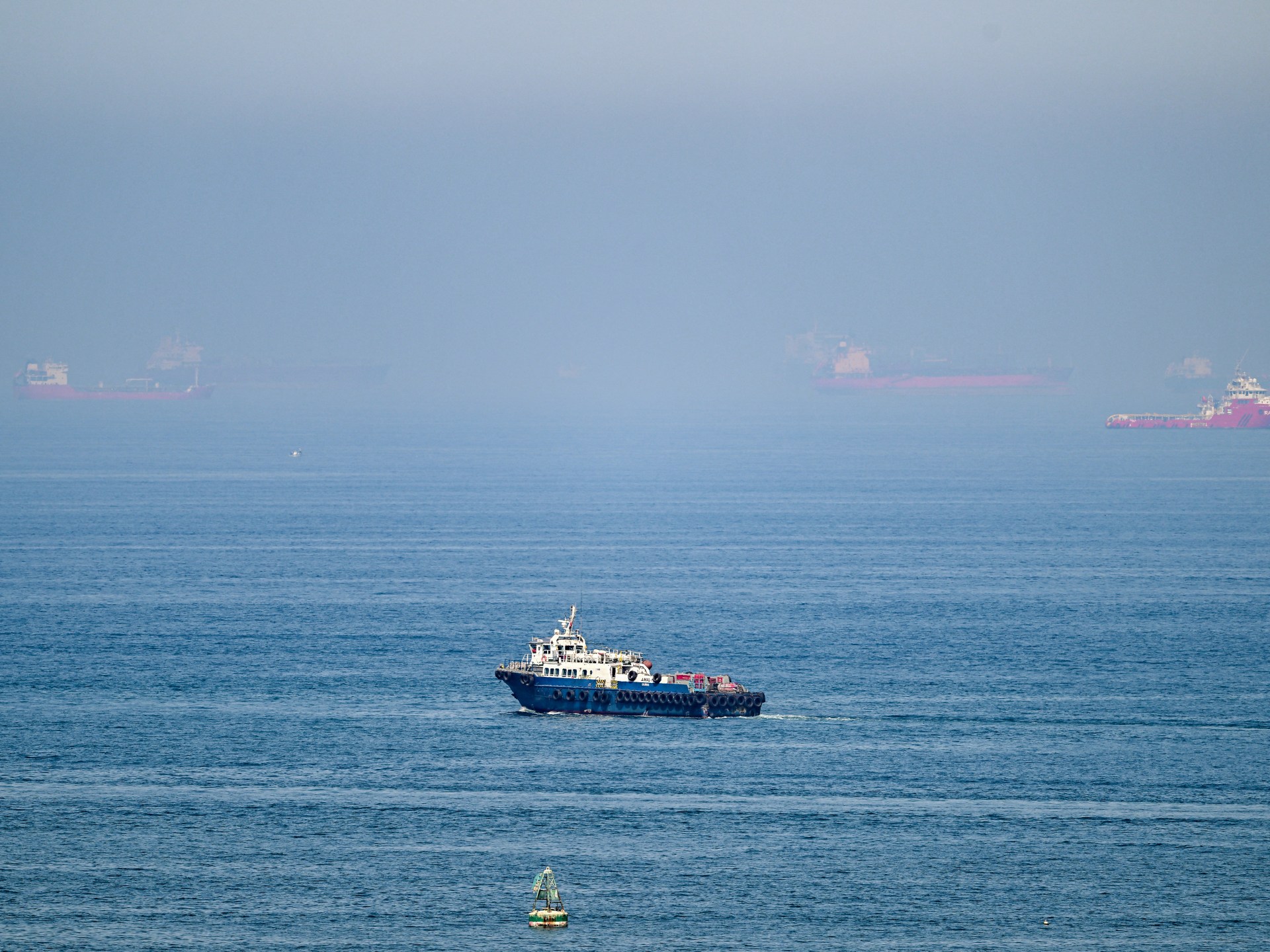

DUBAI – A week after a memorandum was supposed to quiet the most important stretch of water in the global oil trade, Iran spent Thursday reminding the world’s tanker captains who they answer to. Its Revolutionary Guard Corps declared that a newly announced shipping lane through the Strait of Hormuz, drawn up without Tehran’s involvement, was unacceptable and dangerous, and that no vessel should move through the channel without first calling the Guard’s navy for clearance. The message was less about navigation than about authority, and about a war that has stopped without settling what it was fought over.
The dispute crystallizes the central ambiguity of the truce that ended four months of American and Israeli bombardment of Iran. Washington has been selling the deal as a reopening of Hormuz to the world. Tehran has been insisting, in word and now in maritime practice, that the strait remains Iranian water, regulated on Iranian terms, and that it conceded none of that when it signed. Roughly a fifth of the world’s seaborne oil passes through the channel, which narrows to about two miles of navigable lane in each direction, and the question of whose rules govern those miles is the live one now.
The immediate trigger was a route announced this week by Oman, which said it had coordinated the new transit corridor with the International Maritime Organization as commercial traffic crept back after weeks of paralysis. Iran’s objection, issued through the IRGC Navy, was that the corridor had been published without prior notification to or coordination with the Islamic Republic, and that the only authorized routes through Hormuz are the ones Iran designates, Al Jazeera reported. Vessels, the Guard said, must maintain contact with its navy while transiting or face enforcement, language that in this strait has historically meant interception.
Tehran’s position is not new. When the ceasefire memorandum was signed, Iranian officials said plainly that the waterway would continue to be regulated by Iran and Oman, a framing that sat awkwardly beside the American account of a strait thrown open to all comers. Eastern Herald reported at the time that the toll-free passage the White House was advertising ran for only sixty days and rested on Iranian cooperation that Tehran had never described in the terms Washington used. The new route dispute is that gap made physical.
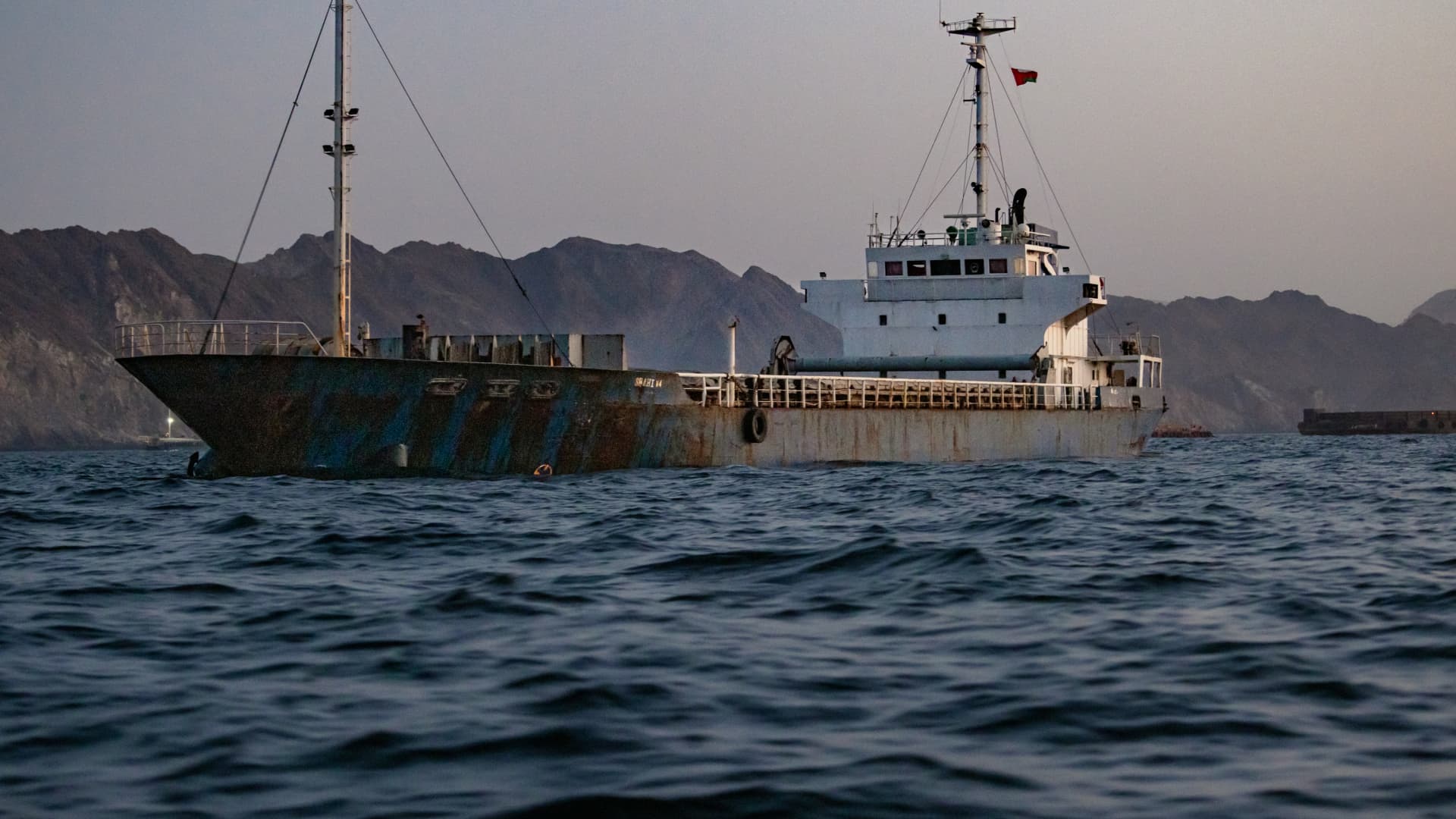
The practical effect has been to stall the recovery the deal was meant to deliver. Shipping that had begun trickling back through Hormuz slowed again as owners weighed the Guard’s warning against the Omani route, uncertain which authority to obey, according to CNBC. Insurers and tanker operators do not need a formal closure to keep ships at anchor. Ambiguity about who can stop a vessel, and on what pretext, is enough to freeze a fleet.
The memorandum that produced this standoff was signed last week and opened a sixty-day window for the two sides to turn a halt in the fighting into something more durable. Eastern Herald has described the document as a framework to negotiate rather than a finished peace, with the hardest questions about verification and enrichment deferred rather than answered. The Hormuz routes are one more of those questions, and the early evidence is that the two governments walked away with incompatible understandings of what had actually been agreed.
Nowhere is that clearer than on the matter of inspections. US Vice President JD Vance has said Iran agreed during the talks to readmit inspectors from the International Atomic Energy Agency to the nuclear sites that American and Israeli bombs struck this spring. Iranian officials have flatly rejected that account, saying they took on no new obligations, did not discuss the nuclear file across roughly eighteen hours of negotiation, and accepted no fresh commitments. Both versions cannot be true. Washington has offered its account more loudly. Tehran has offered its more consistently.
The leverage Washington has actually produced is financial. The US Treasury issued a sixty-day waiver this week allowing the production, sale and delivery of Iranian oil, including crude and petrochemicals, with the license running through late August. It is a meaningful concession after years of sanctions, and it is also a temporary one, structured to expire precisely when the negotiating window does. Iran gains real revenue now and a deadline later, the same architecture that governs the strait it is currently policing.
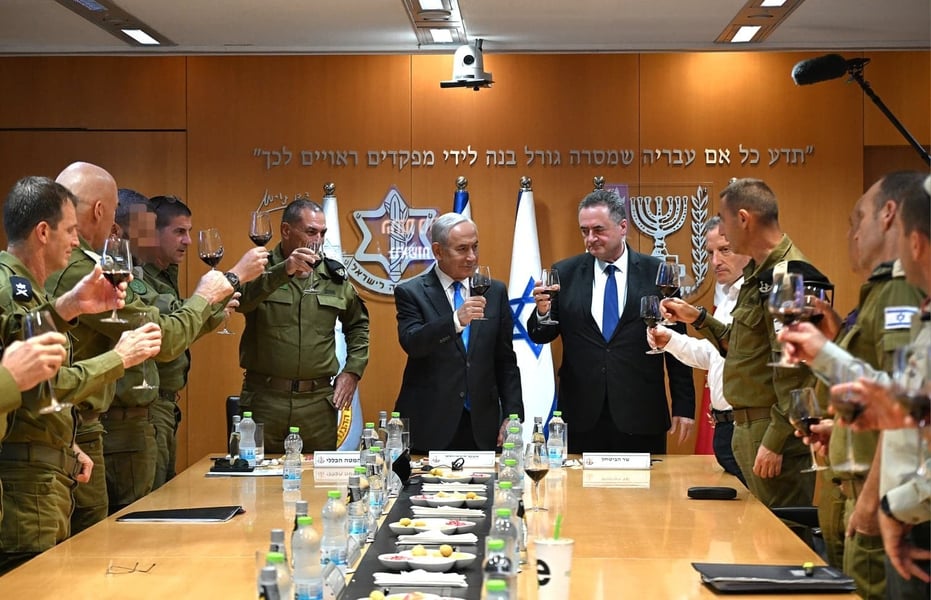
For Tehran, the posture in Hormuz is of a piece with how it has carried itself since the shooting stopped. Iran emerged from the war, by the assessment of even its adversaries, less broken than its enemies had promised. Eastern Herald has reported how the deal left Israel’s political class turning on Benjamin Netanyahu as Iran came out of the conflict intact and, in the view of his own domestic critics, strengthened. A government that believes it won an argument does not tend to surrender control of its own coastline in the aftermath.
The talks did produce one concrete mechanism, a so-called de-confliction cell meant to manage the fighting between Israel and Hezbollah in Lebanon, a sign that both sides expect friction to continue and want a channel to keep it from reigniting the wider war. That such a cell was thought necessary at all is its own commentary on how settled this peace really is. The guns are quiet. The map is not agreed.
What no one outside a small circle can yet say is how far Iran intends to push the point. The Guard’s statement stops short of declaring the strait closed, as Tehran briefly did earlier this month, and stops short of naming which vessels it would actually turn back. Whether the warning is a negotiating marker meant to be traded away inside the sixty-day window, or a genuine red line Iran will enforce against a tanker, is the thing the coming weeks will test. The strait has reopened on paper. On the water, every captain is now reading two sets of instructions.
Related Posts