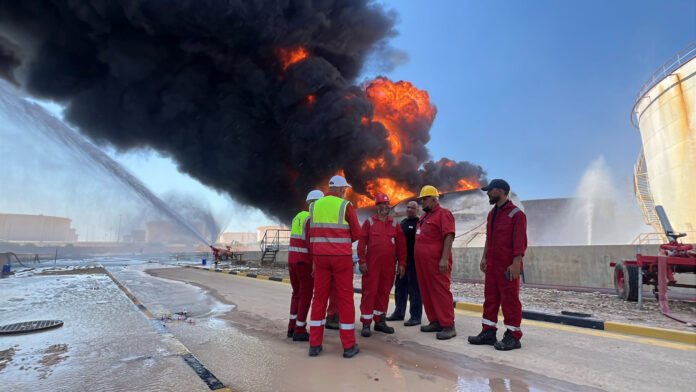

ISLAMABAD — Two people were hurt near a government school in Saranan, a small town in Pakistan’s Balochistan province, when drones launched from Afghanistan struck the area on Tuesday. Pakistan’s military said it shot down four of them. Afghanistan said it was targeting an Islamic State center. The question neither government could answer by Wednesday is what happens next.
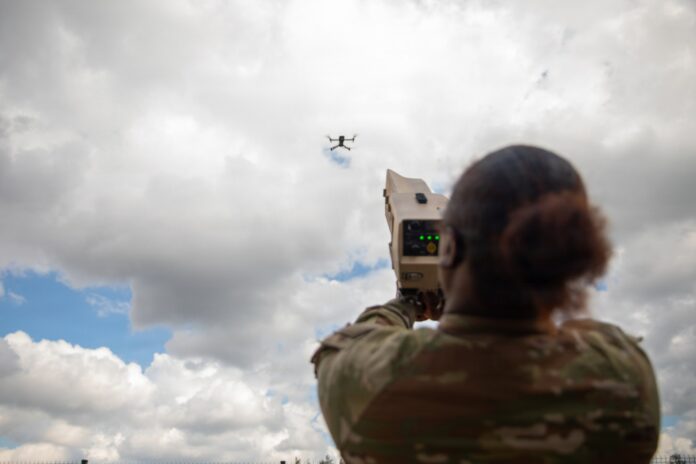
Afghanistan’s defense ministry announced on July 1 that its air force had struck a Daesh center in Saranan and had also conducted operations in Khyber Pakhtunkhwa province, in what amounted to the first known instance of the Taliban government directing drone strikes into Pakistani territory during the months-long border war between the two countries. Pakistan’s Inter-Services Public Relations said security forces had “neutralised” all four drones using “sophisticated countermeasures” before they reached their intended targets, though the injuries near the Saranan school suggest at least one strike had real-world consequences on the ground.
The drone exchange was not the beginning of this conflict. It was the latest escalation in a cycle of attacks that has ground through failed mediation efforts, civilian casualties, and contradictory claims since late 2025. But it represented something qualitatively different: the Afghan Taliban, which has no fighter jets and no bomber aircraft, directed rudimentary aerial weapons across an international border into a country that operates American F-16 fighter jets and Chinese stealth fighters.
The immediate trigger was a June 27 attack on a Pakistan Rangers compound in Karachi that killed three soldiers. Jamaat-ul-Ahrar, a splinter faction of the Tehrik-e-Taliban Pakistan, claimed the attack; one of the captured assailants was identified as an Afghan national. Pakistan responded two days later with strikes in the Afghan provinces of Paktia, Paktika, and Kunar, saying 25 fighters were killed. The Taliban government said 36 civilians died and more than 160 were wounded, a claim Pakistan disputed without providing independent verification.
Pakistan has long accused the Afghan Taliban government of harboring Pakistani Taliban militants on Afghan soil. Kabul has denied that consistently, and the July 1 drone operation signaled Afghanistan was no longer limiting its response to diplomatic statements. “Afghan Taliban regime launched four rudimentary drones across the border in Balochistan as part of their patronization and support of terrorist outfits,” Pakistan’s ISPR said, inverting the causation entirely: where Afghanistan saw counterterrorism, Pakistan saw state-backed militancy.
The conflict has killed hundreds in cross-border fighting since February, when Afghanistan launched retaliatory strikes after Pakistan had conducted airstrikes inside Afghan territory. A March 2026 Pakistani strike on a drug rehabilitation center in Kabul, which the Taliban called a crime against humanity, killed more than 100 people and produced one of the sharpest diplomatic ruptures of the year. ACLED, the conflict-monitoring organization, documented at least a dozen drone incursions into Pakistani territory since February, making Tuesday’s exchange a continuation of a documented pattern rather than a wholly new departure.
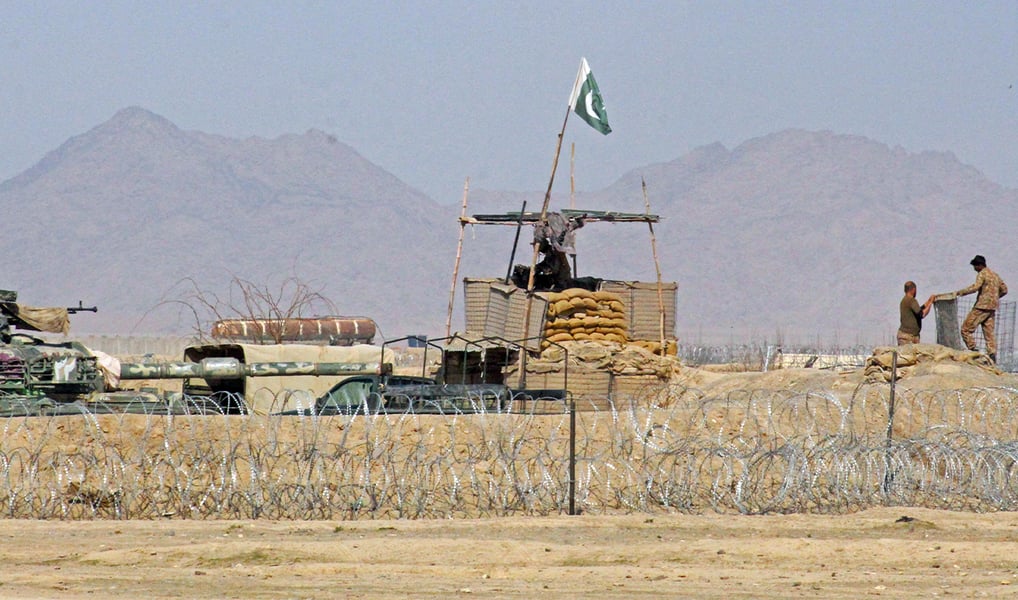
What has not continued is any meaningful diplomatic progress. Chinese-mediated talks in Urumqi in April produced a temporary drop in Pakistani airstrikes, according to Al Jazeera’s analysis of the escalation. That lull lasted roughly two months before tensions resurged in June. Russia’s security council secretary Sergei Shoigu warned in May at an SCO meeting in Bishkek that any return of foreign military infrastructure to Afghanistan would be unacceptable, a measure of how many external actors are now tracking a conflict that Beijing has tried and failed twice to freeze.
Fahad Nabeel of Geopolitical Insights told Al Jazeera that Pakistani strikes had become reactive without reducing the frequency of militant attacks, while the Taliban had failed to prevent Afghanistan from being used as a staging ground. Ricardo Alvarez, a South and Central Asia analyst, described the dynamic as having “consolidated since 2025,” adding that “tit-for-tat has become the norm, but there might still be a gradual escalation ahead.” A third analyst, Rahim Nasari in Quetta, characterized the relationship as “mutual blackmail” in which each side uses cross-border strikes to maintain leverage rather than eliminate the underlying threat.
The military asymmetry between the two countries is stark but does not fully explain the impasse. Pakistan’s air force could destroy Afghanistan’s aerial capacity within days if it chose a sharper escalation; Taliban drones described as rudimentary pose no existential threat to Islamabad. The constraint is political. An open air war with Afghanistan would destabilize Pakistan’s entire western border, draw in broader militant networks in Khyber Pakhtunkhwa and Balochistan, and force complications with the regional powers, among them China, Iran, and Russia, all of which have interests in Afghan stability that do not align cleanly with Pakistan’s security demands.
What neither government appears prepared to do is acknowledge the internal conditions driving the cycle. Pakistan needs long-term approaches addressing what drives rebellion on its own territory rather than attributing every attack to Afghan sanctuary. Afghanistan’s Taliban must confront the presence of Pakistani militants within territory it controls. Neither has shown willingness to face those internal reckonings, and as PBS News reported in its coverage of Pakistan’s ground operation along the Afghan border, multiple rounds of internationally mediated peace talks have produced no lasting outcome.
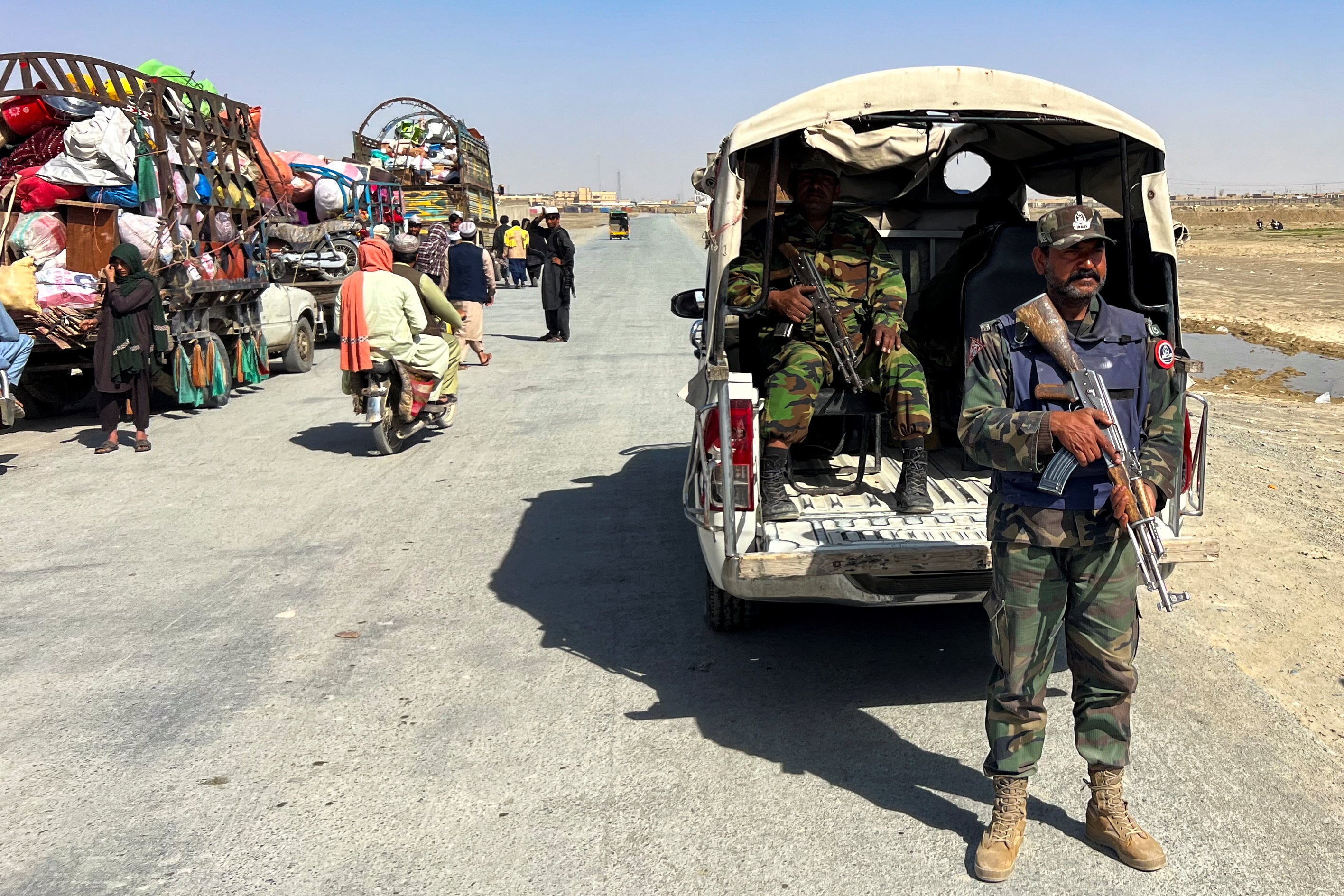
As of Wednesday, no ceasefire was in place, no new mediation round had been announced, and Pakistan had closed most of its border crossings with Afghanistan, further disrupting trade in a region already strained by years of conflict. Whether the July 1 drone strikes represent the new ceiling on what each side will risk, or merely the latest floor from which the next round will launch, is a question the ACLED data cannot yet answer.