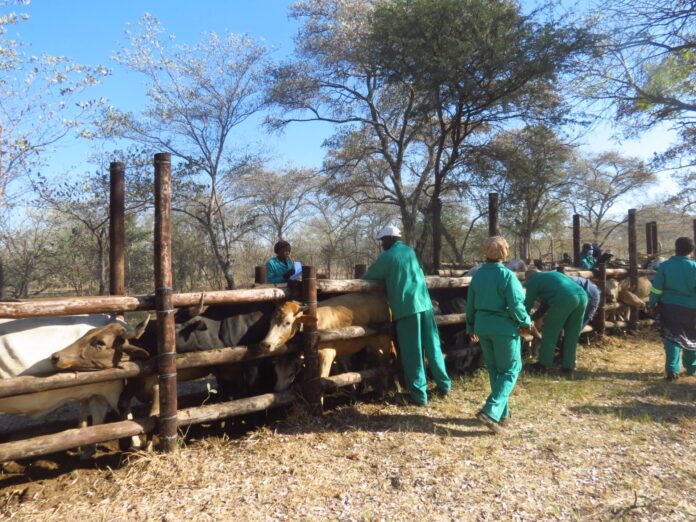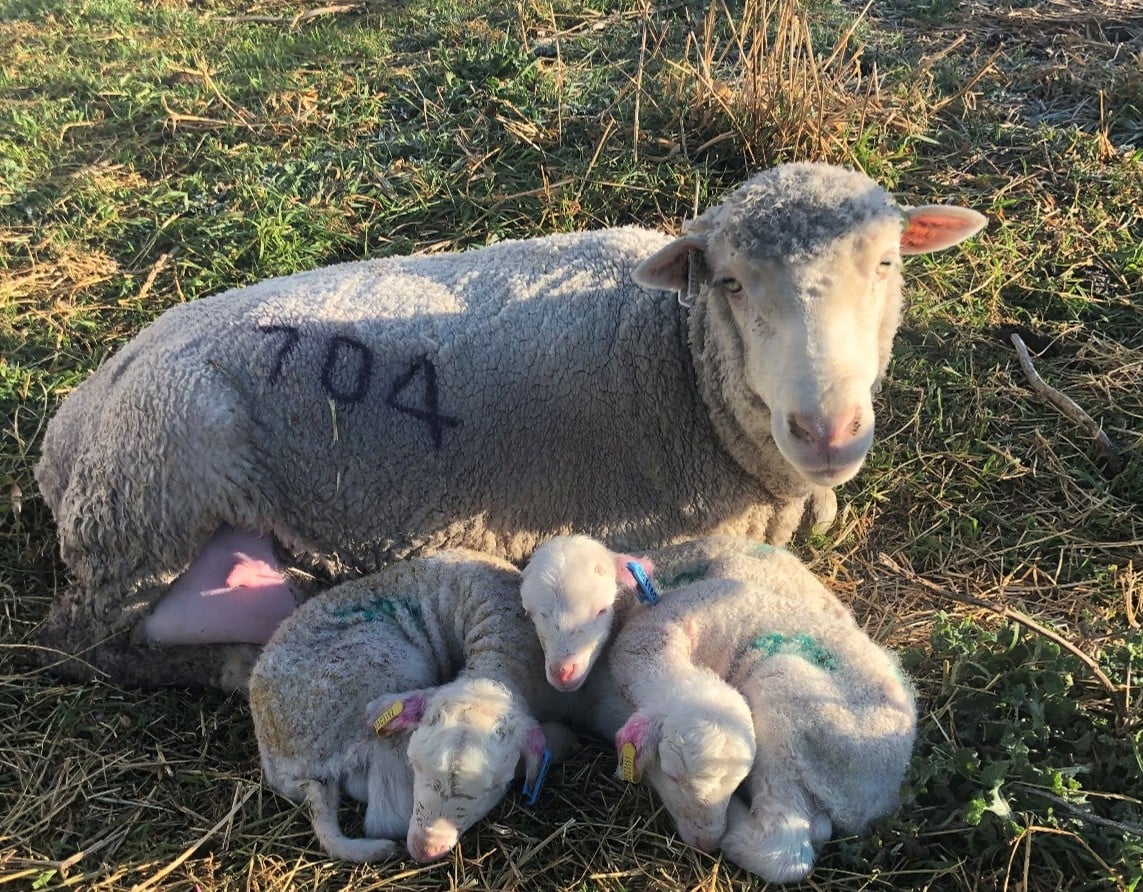

CANBERRA — For generations, Australian wool producers have watched drought, disease and heatwaves move through their flocks with no reliable way to tell, before those events arrived, which animals were biologically built for the hardship. A genomic tool developed by CSIRO and announced Thursday gives them that answer for the first time.
The tool is called ImmuneDEX. Developed at CSIRO’s Chiswick Research Station in New South Wales, in partnership with Neogen, the Animal Genetics and Breeding Unit (AGBU) and Sheep Genetics, the national animal genetic evaluation service operated by Meat and Livestock Australia (MLA), ImmuneDEX measures immune competency by administering identical vaccine challenges to individual sheep and comparing how each animal’s immune system responds. Animals that mount a stronger and more consistent response carry a higher ImmuneDEX score. The critical new finding, confirmed across a large Merino population: that score is heritable.
The heritability result is the core of the research. Amy Bell, a senior scientist at CSIRO who led the work, has spent years tracking why some animals handle the same conditions so differently from others grazing on the same land. “We’ve been asking animals to be as productive as possible,” Bell said in CSIRO’s announcement, “but we haven’t always understood why some cope better with challenges than others.”
What the Chiswick trials established is that the difference is not random. Immune responsiveness, as ImmuneDEX measures it, correlates with established animal health traits across the Merino population and shows heritable variation, meaning breeders can select for it systematically, incorporating it into their decisions the same way they select for growth rate or worm egg count.
The finding most likely to reshape selection programs is not simply that resilience is heritable, but that it is largely independent of productivity. ImmuneDEX scores showed little to no genetic correlation with wool characteristics or bodyweight, the two traits that have historically anchored Merino breeding decisions. Bell put the implication plainly: “Selecting for productivity doesn’t necessarily mean you’re selecting animals that cope well with stressors.” Producers who have spent decades optimizing flocks for fleece weight may, without realizing it, have also been gradually filtering out the animals most capable of surviving the stress events that now define Australian pastoral seasons.
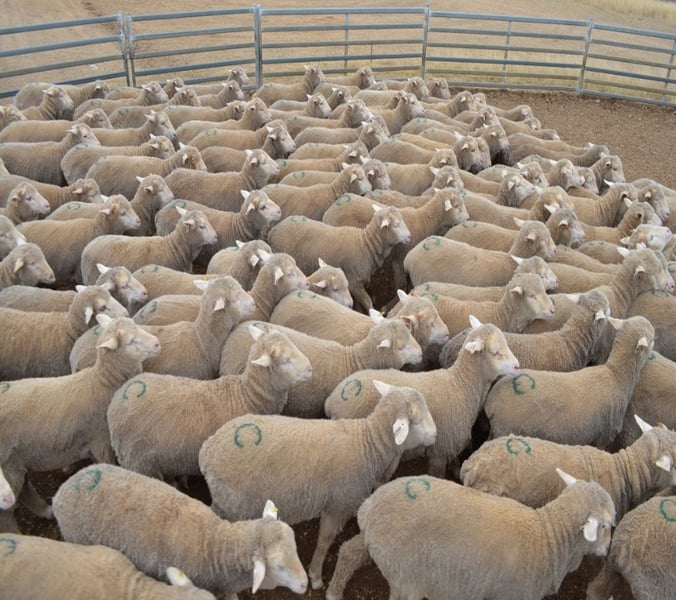
The consortium behind ImmuneDEX reflects the breadth of institutional investment the problem now commands. Neogen supplies the genotyping infrastructure. AGBU provided the statistical genetics framework needed to establish heritability estimates from large population samples. Sheep Genetics will integrate ImmuneDEX into the national breeding value architecture, eventually making it available as a commercial metric through the same evaluation system producers already consult for every selection cycle. Australian Wool Innovation (AWI), the research body funded by wool levies, also participated in the collaboration.
Bell will present the findings publicly for the first time at LambEx 2026, the national sheep industry conference held at the Adelaide Convention Centre, on July 8 during an early-morning industry breakfast session. The timing places ImmuneDEX inside a year in which Australian livestock agriculture has absorbed multiple simultaneous pressures. The confirmation of Australia’s first high-pathogenicity avian influenza case in wild birds earlier this week, which triggered commercial poultry lockdowns across Western Australia, illustrated how quickly a single biological detection can escalate into an industry emergency across the continent’s agricultural systems.
Australia’s Merino and Merino-cross flocks account for roughly 70 million animals, according to Meat and Livestock Australia estimates, with wool export earnings exceeding A$3 billion annually. The sector’s competitiveness depends not only on fibre quality and volume but on the flock health and adaptive capacity that becomes harder to maintain as southern Australia’s pastoral zones absorb more extreme seasonal events. The economic toll of climate disruption on Australian agricultural regions is already quantifiable: CSIRO research into the Northern Rivers catchment, including the Lismore flood study published this week, shows how far Australia’s climate science has moved into measuring present-day costs rather than projecting future ones.
What the announcement does not yet provide is a peer-reviewed publication behind the heritability claims. The CSIRO news release describes ImmuneDEX as ready for integration into commercial breeding programs but does not disclose the sample sizes from the Chiswick trials or cite a published journal analysis. The heritability estimates have not been tested across diverse production environments, particularly in the remote pastoral systems of inland New South Wales and Western Australia where conditions diverge sharply from a research station’s controlled settings. Whether the immune competency signal holds under extreme heat, or in flocks carrying different parasite burdens, remains an open question that field trials outside Chiswick have not yet answered.
For producers, the practical question is not whether ImmuneDEX eventually clears peer review but whether Sheep Genetics incorporates it into the national genetic evaluation system. Once it does, the tool becomes part of the standard index that breeders already consult, and the question of which sheep in the flock are quietly built for hardship will finally have a number attached to it.