LISMORE, Australia — The same twelve pages of hydrodynamic modelling produced two entirely different verdicts within a day of each other. Kevin Hogan, the federal member for Page, read the CSIRO’s new flood mitigation report and concluded the solution to protect his electorate has finally arrived. Sue Higginson, the Greens MP who represents the same stretch of the Northern Rivers in the state parliament, read the same document and concluded it proves the opposite: that new dams would deliver only “minor flood reductions” while risking floods that are “far more dangerous and long lasting.”
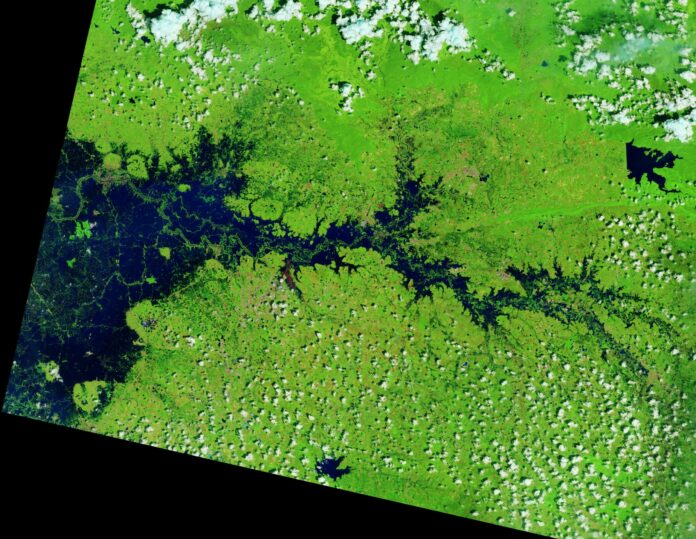
Both are describing a report released on June 30, four years after the February and March 2022 floods that killed lives, destroyed thousands of homes and turned Lismore’s central business district into what residents still describe as a disaster zone. The modelling, funded by the National Emergency Management Agency and led by hydrologist Dr. Jai Vaze, tested a bundle of infrastructure upgrades, among them new dams and strategically placed water detention basins, against the two catastrophic flood events that hit the Richmond River catchment that year. Applied retroactively to the March 31 flood, the most comprehensive bundle of measures reduced the modelled flood peak in Lismore by as much as 1.71 metres. Applied to the February 28 event, the reduction reached roughly 2.07 metres.
Those numbers sound decisive until they are placed next to the sentence Vaze chose to put alongside them. “No one can stop a flood from happening,” he said, a caveat that is not a hedge so much as the entire argument in miniature. The modelling can lower a peak. It cannot, on its own results, keep Lismore’s levee from being overtopped in a repeat of the 2022 disaster, even under the most expensive and comprehensive combination of new dams and detention infrastructure the CSIRO tested.
That is the fact both politicians are reading from opposite directions. For Hogan, a nearly two-metre reduction in a region that watched Lismore’s floodwaters rise higher than anyone alive had seen is not a partial fix, it is the difference between a flooded street and a flooded home. He has spent four years watching the federal Resilient Lands Program fail to deliver a single new home to relocated residents, and argues bluntly that “the CSIRO have provided a solution to keep us safe,” one that state and federal Labor governments have no excuse left to delay. Businesses will not invest and insurers will not lower premiums, in his account, until dams are actually in the ground rather than in a modelling report.
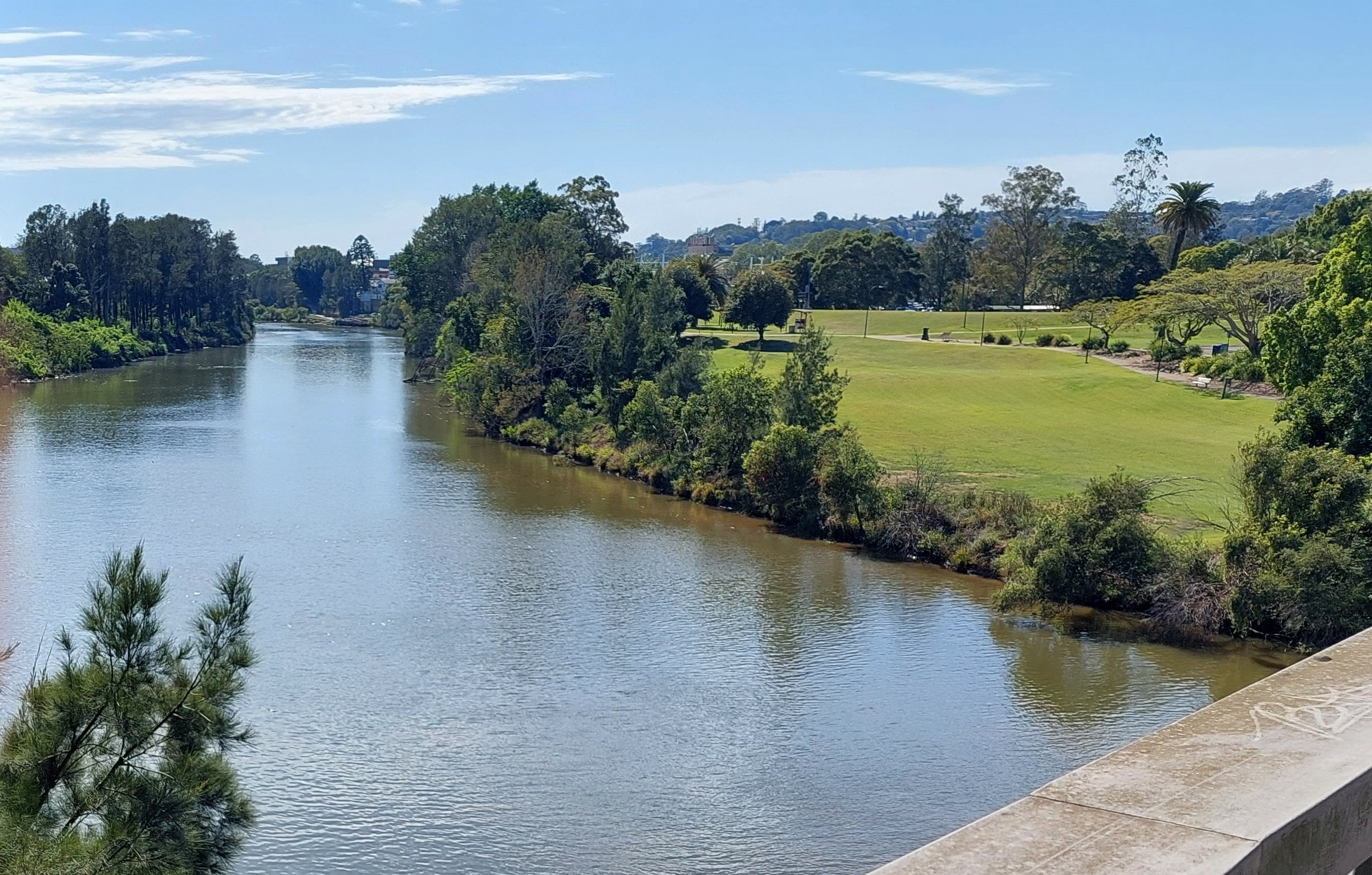
Higginson reads the same modelling and hears a warning dressed up as a plan. Ten new dams across the upper catchment, she argues, would still leave Lismore’s levee overtopped in a 2022-scale event, meaning the region would spend billions of dollars and disrupt river ecosystems for a mitigation effect that tops out well short of safety. Her alternative leans on the catchment’s own vegetation rather than concrete: replanting the upper catchment’s forests, revegetating stream banks, and reimagining Lismore’s flood-prone central business district as a wetland-adapted cultural market hub rather than rebuilding it to flood again. Dams, in her framing, do not remove the risk so much as relocate the false confidence that put homes in the floodplain in the first place.
The CSIRO’s own report leaves the harder question, whether any of this is worth building, unanswered by design. Vaze’s team has not yet run the detailed cost-benefit analysis, environmental assessment or geotechnical investigation that would tell a government whether a 1.71-metre reduction justifies the price of ten dams. That work is described in the report as contingent on future funding decisions, which means the number both Hogan and Higginson are citing as proof of their position is, by the CSIRO’s own account, an interim finding rather than a final recommendation.
The dispute lands inside a broader pattern Eastern Herald has tracked this year, in which climate-linked disasters are increasingly being priced rather than merely described. The Net Zero Commission’s finding that climate change already costs the average NSW worker roughly A$20,000 a year in lost income treated warming as a line item rather than a distant forecast, and the CSIRO’s flood modelling does something similar for a single catchment: it turns a disaster memory into a number planners can argue over. That same shift toward quantifying climate damage as a present fact, rather than a future risk, is also what makes the science an increasingly contested target, as the pressure campaign against a separate National Academies attribution report in the United States has shown, where the fight is no longer over whether the data is public but over who gets to act on it.
What the CSIRO cannot yet tell Lismore is which argument wins. Hogan wants construction decisions made now, on the strength of a peak-reduction figure. Higginson wants the same figure read as proof that concrete cannot outrun the catchment’s geography. Both readings survive contact with the modelling, because the modelling was never built to settle the argument, only to measure it. The cost-benefit study that might actually resolve which side is closer to right has not been funded, and no one yet knows when it will be.