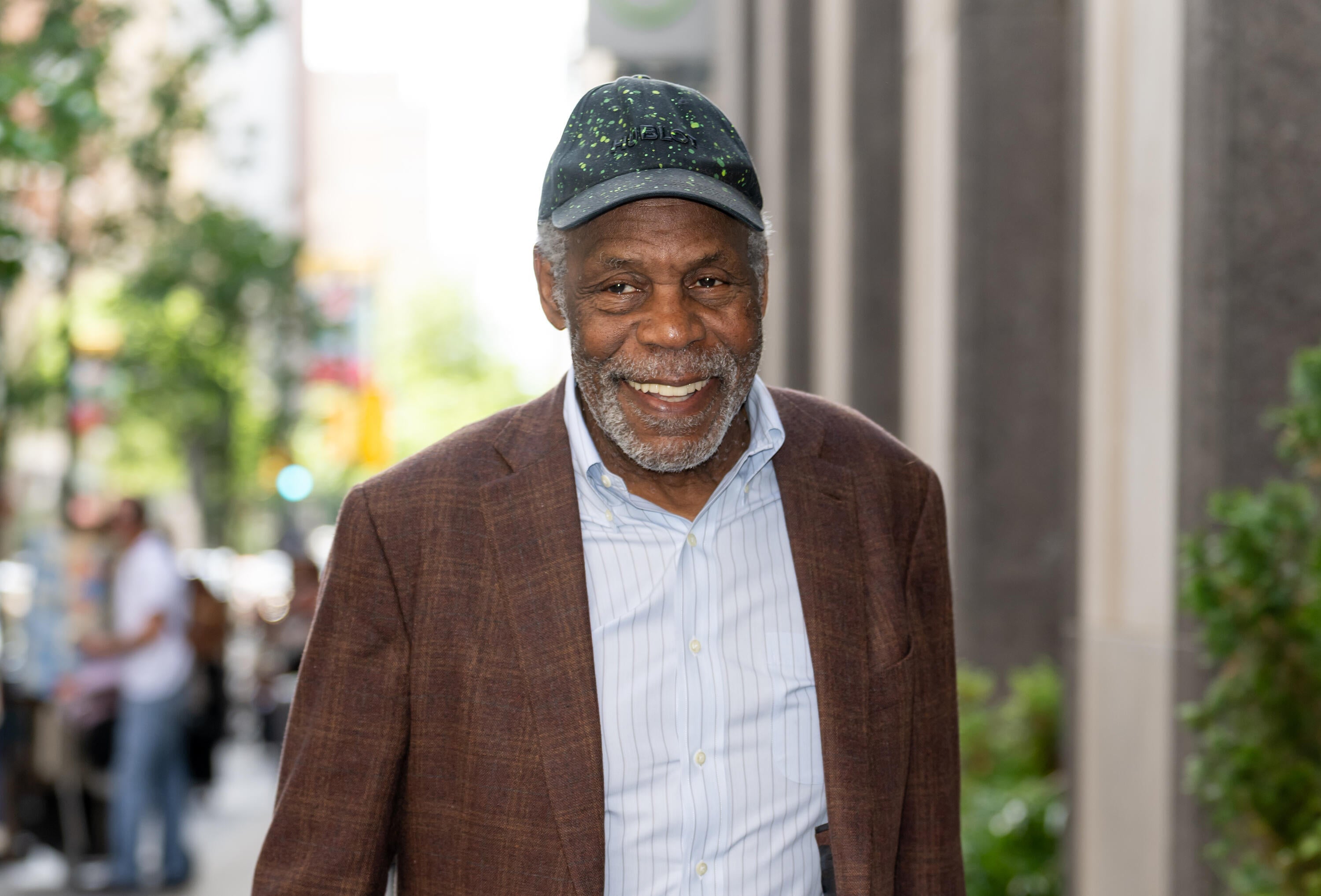

SAN FRANCISCO — Danny Glover knew, even as he stood at the Academy Awards podium in 2022 receiving his honorary Oscar, that something was changing inside him. He just hadn’t told anyone yet.
The actor, now 79, disclosed publicly for the first time on Wednesday that he was diagnosed with Alzheimer’s disease that same year, a revelation that reframes not just a career but the meaning of its final chapters. In an NBC interview conducted by veteran journalist Lester Holt at his home, Glover was candid about what the disease has taken and what, so far, it has not.
“I could live with it, in a sense,” Glover told NBC. “I’m sure as it advances, things are going to be different and changing.”
That he is still speaking at all, thoughtfully and carefully in full sentences, is a testament to the man who spent half a century in Hollywood accumulating credits that spanned every tone imaginable: action franchise anchor in the Lethal Weapon series opposite Mel Gibson, quietly devastating in Steven Spielberg’s The Color Purple, audaciously funny in The Royal Tenenbaums, morally complex in To Sleep with Anger. Alzheimer’s has affected his mobility, his speech, and his memory retention, the NBC interview made clear. The activist in him is using the diagnosis the way he has always used a platform.
Glover announced he has partnered with the Alzheimer’s Association to raise awareness and funding for research into the disease, the leading cause of dementia globally. Family members appeared alongside him during the at-home segment, and Glover was direct about the support structure surrounding him. “They’ve got my back,” he said.
He credited his parents for instilling the conviction that art and public life carry a responsibility beyond performance. “We have challenges in the world,” he said, “and I think art has a way of looking at that.” For Glover, Wednesday’s disclosure was itself a form of activism, carried out the way he has practiced it for decades as a UNICEF Goodwill Ambassador and United Nations Development Programme ambassador.
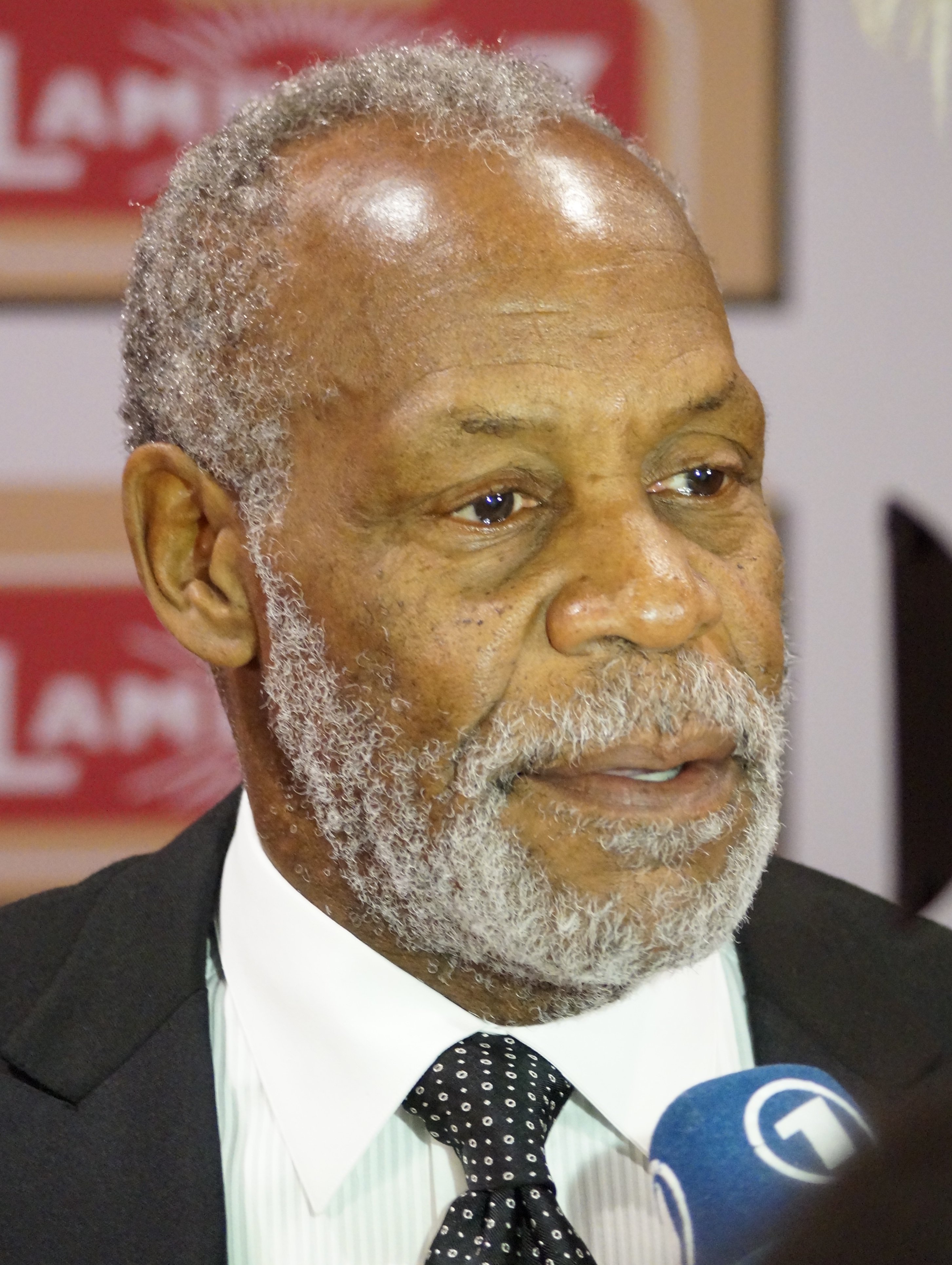
Four years separated the diagnosis from Wednesday’s public admission, a gap not unusual for a public figure navigating a condition that carries stigma and uncertainty in equal measure. The news landed on a week that had already prompted Hollywood to take stock: the recent death of Village People singer Victor Willis at 74 had drawn attention to the generation of artists who shaped American popular culture and are now in their final chapters. Glover’s situation is different, but the weight placed on it by the industry is comparable. What makes his case particular is the context of 2022: that was the year the Academy of Motion Picture Arts and Sciences awarded him the Jean Hersholt Humanitarian Award, an honorary Oscar for decades of social and political activism. He was, by his own account, already living with the disease when the Academy honored him. That ceremony carries a different weight now.
Born in San Francisco in 1946 and raised in a family where civic responsibility was a given, Glover arrived in acting through theater, not through the studios. His parents were active in the NAACP. He studied at San Francisco State University before pursuing a stage career that gave him a technical foundation most action stars never acquired, a rigor that became visible in his most demanding film roles.
The Color Purple, Spielberg’s 1985 adaptation, gave Glover one of the most demanding roles of his early career: Mister, the abusive husband of Whoopi Goldberg’s Celie, a performance of controlled menace that should have generated an Academy Award conversation and largely did not. The Lethal Weapon franchise that followed made him one of the most commercially bankable names of the late 1980s and 1990s, anchoring four films as Roger Murtaugh, the aging detective who insisted he was too old for this and kept proving otherwise. The character’s stubborn competence became one of cinema’s more durable archetypes.
Later work in Dreamgirls, The Royal Tenenbaums, and the drama Mandela added dimension to a filmography that never settled into a type. The entertainment industry has also grappled this year with how it preserves the contributions of celebrated performers long after they can shape those decisions themselves, a question that Glover’s disclosure makes more immediate.
The Alzheimer’s Association, which Glover has now formally joined as a public partner, estimates that more than 7 million Americans are currently living with the disease. Treatment options have expanded incrementally in recent years; two FDA-approved therapies have shown evidence of slowing cognitive decline in early-stage cases, though neither represents a cure and both carry significant side effects. Glover did not address his treatment regimen in the NBC interview, and as CBS News reported, no timeline for the disease’s progression was offered.
What Wednesday’s disclosure leaves open is the question those around him will carry into the months ahead: what he can still do, and on what terms. The Alzheimer’s Association partnership suggests the activist intends to keep showing up in whatever form that takes. He was, after all, the man who spent four films insisting he was too old for this. He kept showing up anyway.