
WASHINGTON – Americans entered July with three months of wages losing ground to prices. The Bureau of Labor Statistics reported Thursday that employers added 57,000 jobs in June – the weakest monthly gain since February and roughly half the 110,000 that economists surveyed by Dow Jones had forecast.
More troubling than the June headline was what revisions did to the months before it. April’s job count was cut by 31,000 and May’s was reduced by 43,000, leaving combined payrolls for the two months 74,000 lower than the Labor Department had previously reported. The pattern describes a labor market that has been cooling more consistently, and more quietly, than official data captured in real time.
The leisure and hospitality sector shed 61,000 positions in June, its worst month of the year. Professional and business services added 36,000 and health care contributed 22,000. Government payrolls were little changed.
Average hourly earnings rose 0.3 percent in June, bringing the annual gain to 3.5 percent – below the 4.2 percent inflation rate for the same period, according to data published by the Bureau of Labor Statistics. For workers whose pay is not indexed to prices, June marked the third consecutive month of real purchasing power declining.
The unemployment rate ticked down to 4.2 percent from 4.3 percent, but the decline reflected a 0.3 percentage point drop in the labor force participation rate – to 61.5 percent, its lowest since March 2021. Fewer Americans were looking for work rather than finding it.
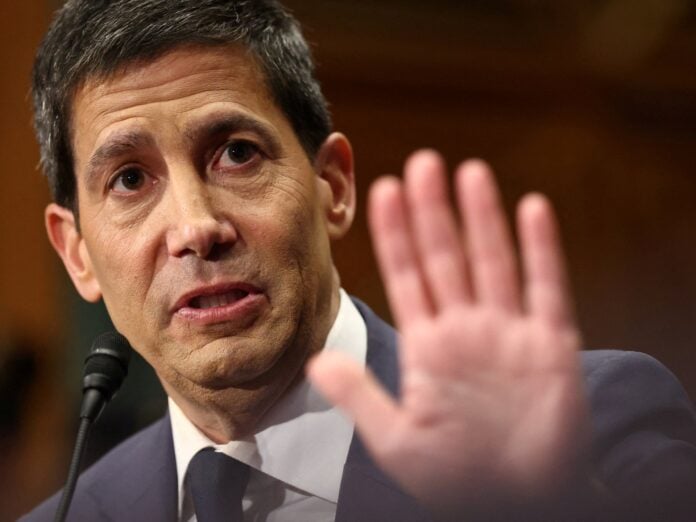
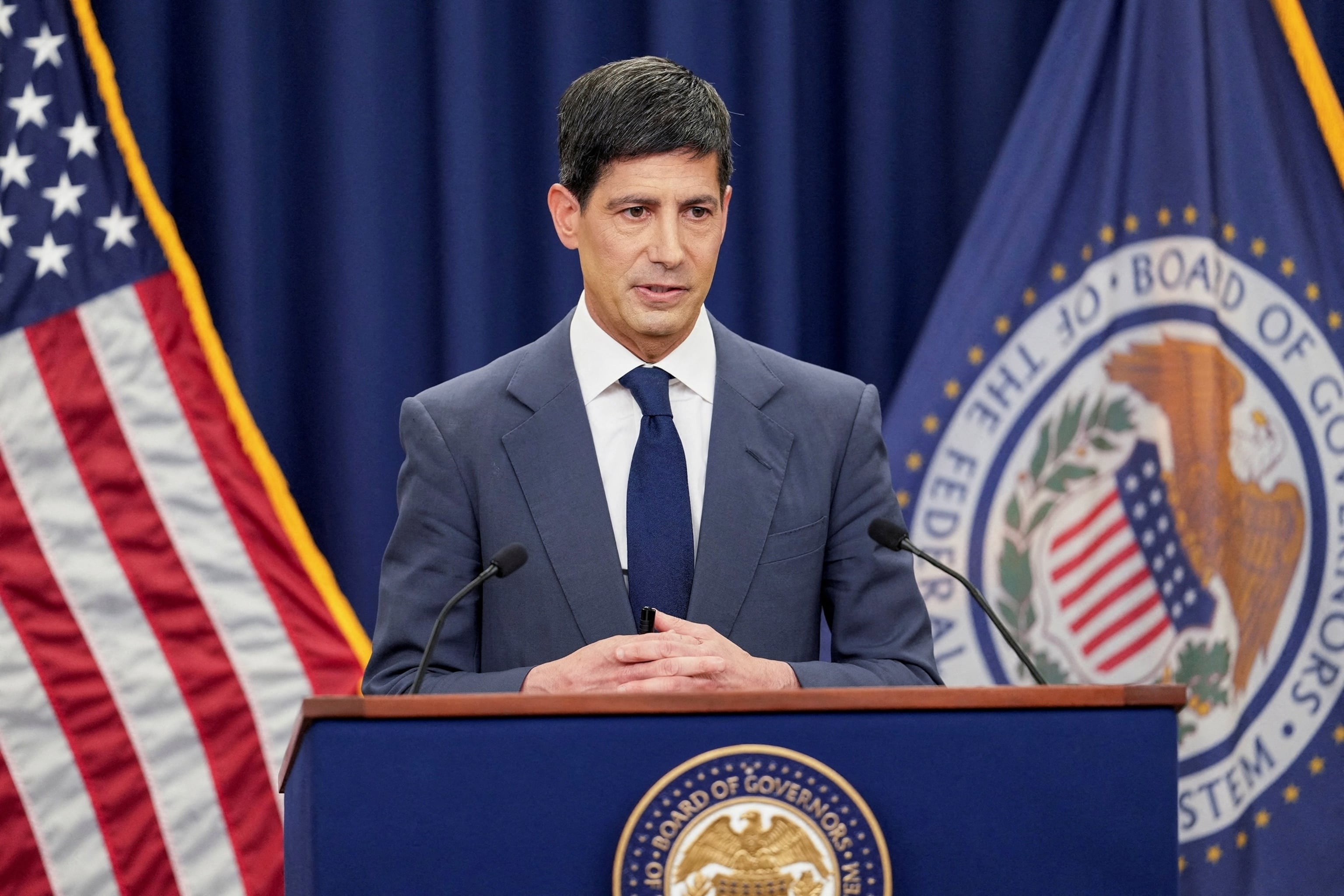
Markets read the soft data as a reason to ease expectations for near-term rate increases. Stock futures rose following the release. The policy-sensitive two-year Treasury yield fell 3.5 basis points to 4.13 percent, pricing in a lower probability that Fed Chair Kevin Warsh resumes rate increases at the July or September Federal Open Market Committee meeting.
Michael Feroli at JPMorgan Chase told clients the report still points to overall general health in the labor market. Economists at Citigroup cautioned about further weakening in job growth as the second half of the year unfolds. Wells Fargo characterized the result as labor-market stabilization from weakness – an improvement on the prior trajectory but not evidence of renewed momentum.
What the report does not resolve is whether the leisure and hospitality contraction reflects a structural cooling or a seasonal adjustment problem. June data is historically more volatile in that sector because of weather and timing effects on summer hiring. Seasonal adjustment models that worked in pre-pandemic years have repeatedly misread leisure employment since 2021; the extent to which June’s -61,000 reflects the actual economy or the calibration of the model will not be clear until July and August data arrive.
The June report is the last employment release before the Federal Reserve’s July meeting. Warsh, who declined last week at the European Central Bank’s Sintra forum to signal whether July would bring a rate move, now has a final data point that leans toward caution. As Eastern Herald reported following Sintra, neither Warsh nor ECB President Christine Lagarde committed to a predetermined path. Thursday’s data reinforces that posture: if June becomes a trend, the case for cuts builds; if July reverses, the report will be remembered only as noise.