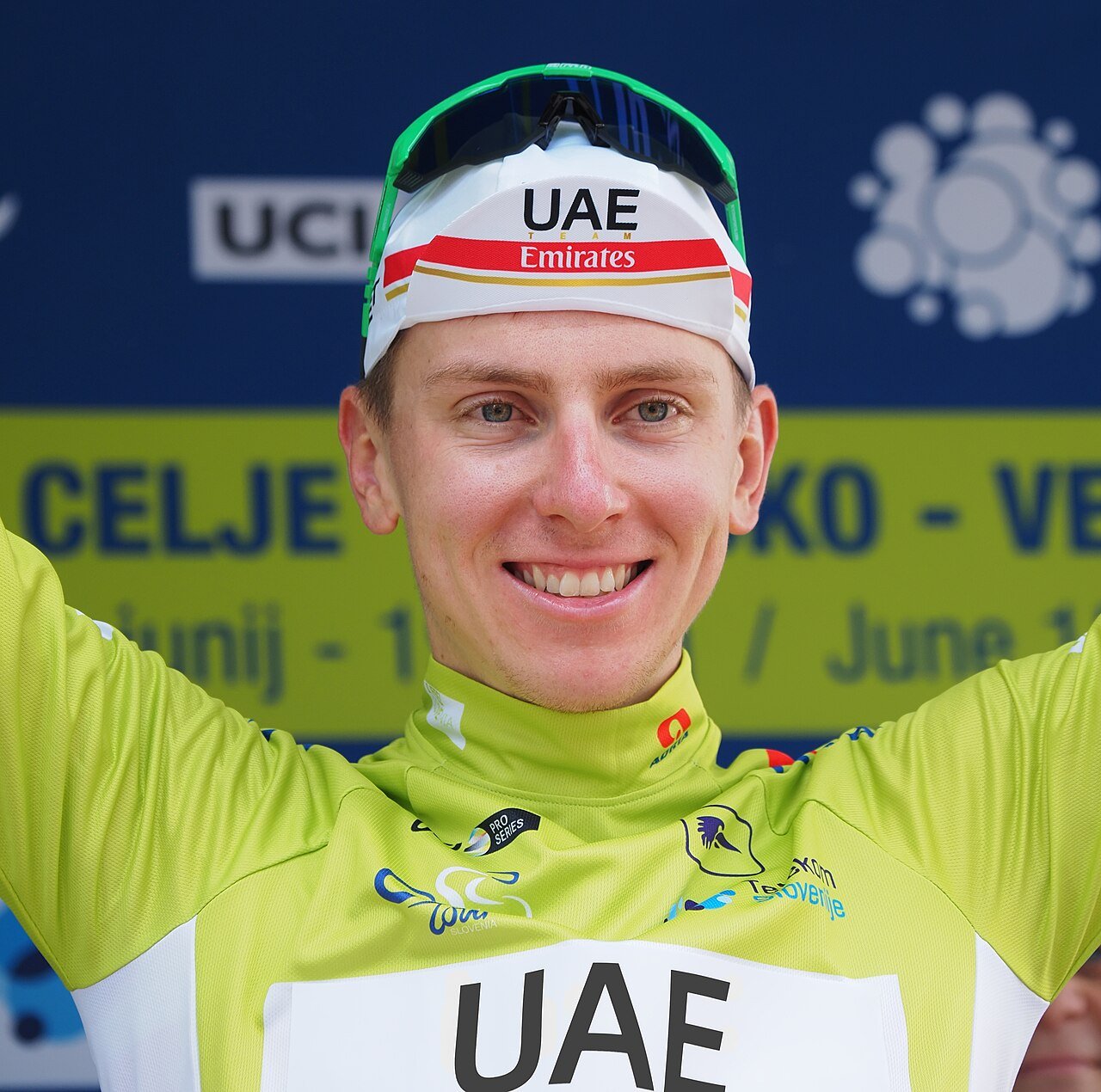

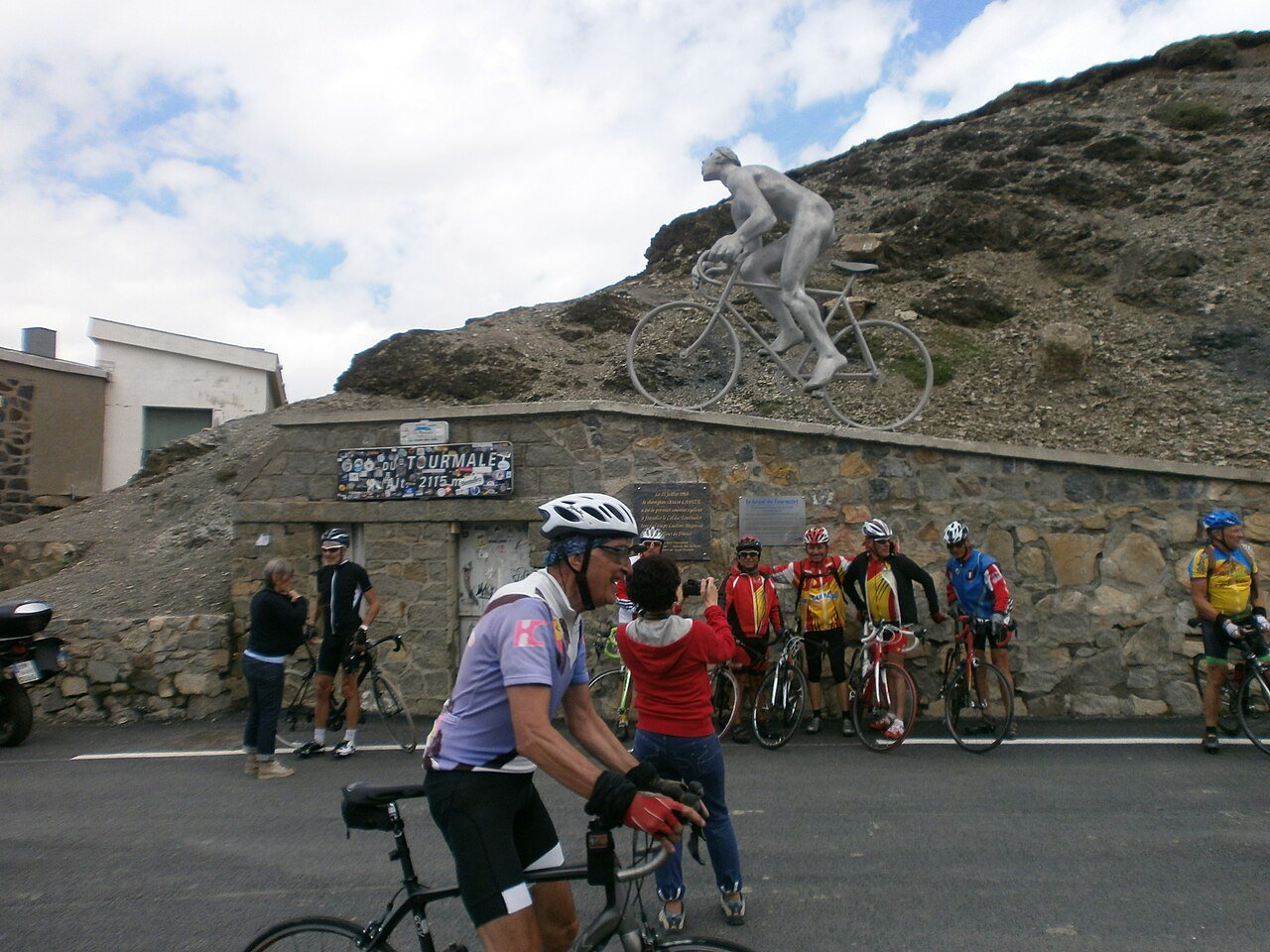
PARIS – The Col du Tourmalet silenced the arguments on Thursday. After five stages that had left the general classification competitive and the gap between favourites respectably tight, Tadej Pogacar accelerated with two kilometres remaining on the Pyrénées’ most storied climb and made clear, without ambiguity, that what had appeared to be a race was, in some important sense, already over.
Pogacar won Stage 6 of the Tour de France, soloing to the Tourmalet summit with a performance that erased the mountain’s climbing record. His power output was estimated at 6.39 watts per kilogram over the defining stretch of the ascent, with a vertical ascent rate of 1,875 metres per hour. He then exceeded 100 kilometres per hour on the descent into Luz-Saint-Sauveur. Numbers at that level had not been recorded on the Tourmalet in the modern era of power measurement.
What they meant for the race was visible immediately in the time gaps. Jonas Vingegaard, the defending champion and the rider everyone assumed would shadow Pogacar over the first mountains, finished outside the front group with a loss that turned the overall classification into something approaching a formality. The Dane told reporters afterward that Thursday was not the day he wanted. He added that he still believed in himself. These are not the words of a rider in control of a race; they are the words of a rider constructing a reason to continue.
The damage extended beyond Vingegaard. Tom Pidcock, who arrived in France with legitimate general classification ambitions following a strong spring campaign, lost enough time on the Tourmalet to effectively end any realistic challenge for a podium finish in Paris. Lenny Martinez, the young French climber riding for home crowds in the Pyrénées, moved into a surprising position inside the leading group – only to confront the sharpest question of his nascent career: he is now close enough to Pogacar to be noticed, and nowhere near close enough to threaten him.
UAE Team Emirates orchestrated the stage with the efficiency that has defined Pogacar’s Tour campaigns. Isaac del Toro, the young Mexican climber who won Stage 2 in Barcelona and has emerged as the team’s primary high-altitude domestique, drove the pace on the Tourmalet’s lower slopes and delivered Pogacar to the final two kilometres with maximum energy preserved. Del Toro told reporters he had pushed perhaps too hard. The results justified the sacrifice.
Pogacar entered the stage saying he had nothing to lose. He told reporters afterward that he had been so excited by the prospect of the Tourmalet that he could not sleep long the night before. The combination of a liberated tactical mindset and physical capability at this level has produced performances throughout the spring and early summer that have left the sport searching for a frame of reference. No comparable output had been recorded at the Tour’s mountain stages in the current era.
The Tourmalet has appeared in the Tour de France eighty times as a summit finish or significant passage. What Thursday added to that history was a performance so complete that the conversation on the road south is no longer about whether Pogacar can be caught, but about the identity of the runner-up and the size of his margin over third. NBC Sports reported that the overall classification gaps after six stages have already reached levels typically associated with the second or third week of a contested race.
For Vingegaard, this is not the first time he has faced Pogacar from a difficult position at the Tour. In 2023 he recovered from a challenging first week and produced the ride of his career to take the yellow jersey – a memory that gives his rivals grounds for caution, and gives him the psychological credibility to keep saying he believes. But the gap this time, and the manner of Pogacar’s attack – not a grinding war of attrition but a sudden, clean acceleration that shed every other contender in seconds – presents a different kind of problem. Responding to that kind of power requires producing the same kind of power. Vingegaard has not yet shown he has it available at this year’s race.
The Pyrénées continue through the weekend before the peloton transitions toward the Alps. There are mountain stages remaining that are capable of producing decisive moments, and the history of the Tour is full of races that appeared settled by the end of the first mountain block and were not. But the lead Pogacar constructed on Thursday is the largest any rider has held at this point in the race since the GPS and power data era began making precise comparisons possible across different editions of the Tour.
Lance Armstrong, who watched multiple Tours decided on these same roads, said this week that he sees only one factor capable of stopping Pogacar in July. He declined to specify what it was. The question hung over the Tourmalet on Thursday unanswered, absorbed into the summit altitude and the silence of a field that had done everything they could and found it was not enough. The race continues. Whether it remains in doubt is a different matter.
Related Posts