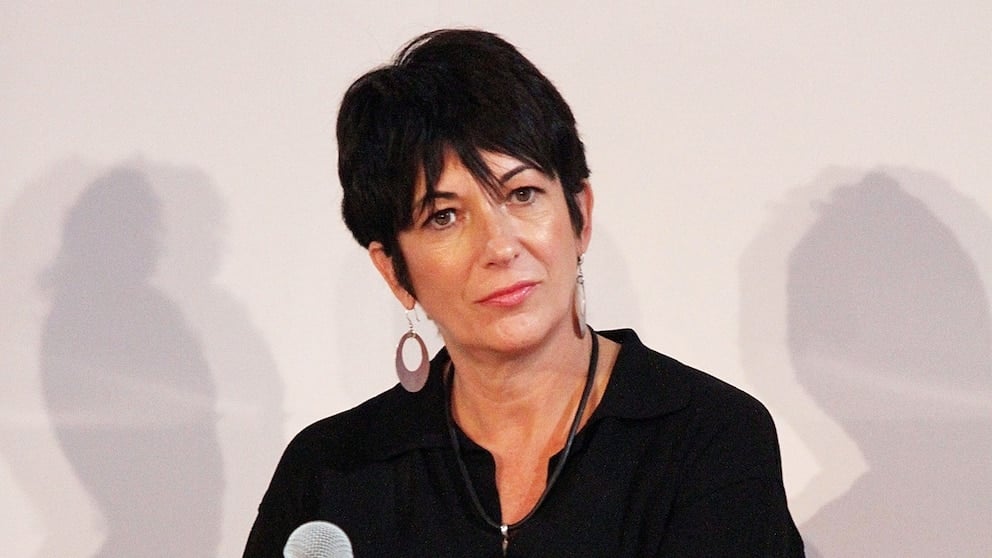

NEW YORK — Ghislaine Maxwell spent more than two years helping the Justice Department build the case that put her in prison. Now she is using the documents that case produced to argue she should never have been there in the first place.
Maxwell, 64, who is serving a 20-year sentence at a federal prison camp in Bryan, Texas, filed an amended habeas corpus petition in June arguing that millions of pages released under the Epstein Files Transparency Act expose due process violations that make her 2021 sex-trafficking conviction “invalid, unsafe and infirm,” ABC News reported. The petition, which she filed without an attorney, is the broadest legal challenge she has mounted since the Supreme Court rejected her direct appeal in October 2024. U.S. District Judge Paul Engelmayer in Manhattan is reviewing it and has not yet ruled.
The central claim is one of selective prosecution. Maxwell alleges that 29 of Epstein’s associates — 25 men and four potential co-conspirators — received protection from federal charges through what she describes as secret settlements with the Justice Department. She was convicted; they were not. The Epstein files, she argues, are the documentary record of that disparity. “No reasonable juror would have convicted her had these documents been placed before the jury,” her petition states.
The specific constitutional argument centers on the role of victims’ attorneys during her prosecution. Maxwell contends that lawyers representing Epstein’s accusers operated as de facto prosecutors and agents of the government — a relationship she says the disclosed files now substantiate. She also alleges prosecutors failed to interview Leslie Wexner, the retail billionaire behind Victoria’s Secret who hired Epstein to manage his personal finances and whose name runs through multiple disclosed documents, and that false testimony was presented to the jury.
The prosecution’s rebuttal, a 100-page filing submitted in May by U.S. Attorney Jay Clayton’s office, dismissed the claims as either filed too late or substantively without merit. Prosecutors said her arguments were “speculative at best,” misstated the record and the law, and failed to show her trial was unfair, NBC News reported. Lara Pomerantz, the sole remaining trial prosecutor still in the Southern District of New York’s office, is handling the government’s response.
Maxwell’s legal position is constrained by her circumstances. She lacks internet access in prison and relied on media reports rather than direct access to the files she is citing. Judge Engelmayer denied her request for direct DOJ access to more than three million Epstein documents, leaving her to build a constitutional argument from secondhand accounts of materials the government continues to dispute releasing in full.
The DOJ has resisted unredacting key portions of the Epstein files even under court order. Acting Attorney General Todd Blanche told U.S. District Judge Emmet Sullivan on July 2 that the department had “adequately complied” with the Epstein Files Transparency Act after missing a court-ordered deadline to remove redactions from eight email exchanges referencing a “torture video” and sexual activity involving minors, CBS News reported. The names of senders and recipients in those emails remain blacked out. Blanche has said the department intends to appeal Sullivan’s order requiring further disclosure.
That legal standoff sits in direct tension with Maxwell’s petition. She is arguing the files already released prove her conviction was unfair; the government is simultaneously fighting to keep additional files sealed. The Epstein inquiry has now entered its second year with the fundamental question of who else knew what still unresolved in the public record.
Maxwell has also declined to provide testimony to Congress, invoking her Fifth Amendment right against self-incrimination. Her lawyer has said she would answer questions if President Trump granted her clemency. Trump has not ruled out a pardon, though he has made no public commitment. Survivors of Epstein’s abuse have separately accused his longtime assistant Lesley Groff of lying to Congress about her knowledge of and contact with the young women Epstein trafficked — a parallel accountability question Maxwell’s legal team has not directly addressed.
What Maxwell’s petition cannot do is answer the question it raises. If 29 associates of Epstein received DOJ protection, their names do not appear in her filing. The Epstein files she is citing are the same files the government has redacted most heavily. She is arguing that documents she cannot fully access, describing individuals who have not been named publicly, prove that her prosecution was the exception rather than the rule. Judge Engelmayer has given no timetable for his ruling.