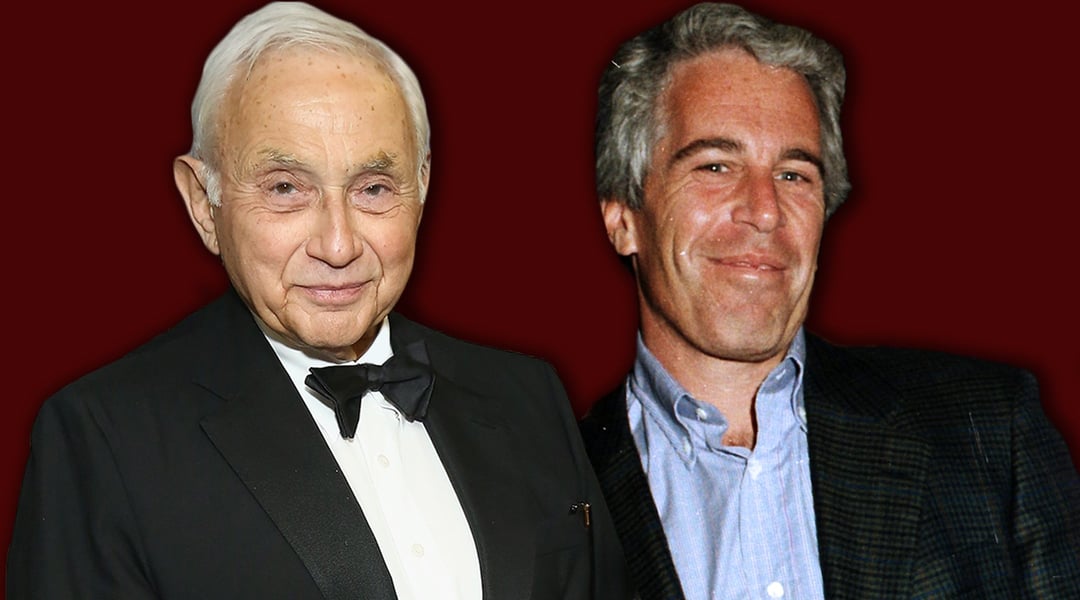

NEW ALBANY, Ohio — In 2003, Les Wexner told Vanity Fair that Jeffrey Epstein had “always” been “a most loyal friend” with “excellent judgment and unusually high standards.” Twenty-three years later, sitting across from congressional investigators at his Ohio mansion, Wexner said something different. “I didn’t see Jeffrey as a friend,” he told them. “We’re friendly, but we’re not friends.”
The birthday card congressional investigators produced from the Epstein files said otherwise. Wexner had signed it “your friend Leslie.”
Five House Democrats emerged from Wexner’s nearly five-hour deposition in New Albany on February 18, 2026, with a blunt verdict. House Oversight Ranking Member Robert Garcia of California called Wexner’s denials “bogus.” “There would be no Epstein Island, there’d be no Epstein plane,” Garcia told reporters, “without Les Wexner.” The deposition video was released publicly the following day.
The documents that frame that testimony stretch back four decades. Wexner met Epstein around 1986 through a business associate. By 1991, he had granted Epstein full power of attorney — authority to sign checks, hire staff, borrow money, and buy or sell property on his behalf. Epstein simultaneously became a trustee of the Wexner Foundation and president of affiliated property companies. The arrangement gave a man with no publicly verifiable source of wealth effective control over one of Ohio’s largest private fortunes.
The Manhattan townhouse at 9 East 71st Street — which became the address most associated with Epstein’s crimes — had been Wexner’s property. He said in his deposition he sold it to Epstein in 1998 for what he was told was appraised value. Earlier documents show the transfer was executed via a promissory note signed by Epstein. The full terms have never been made public.
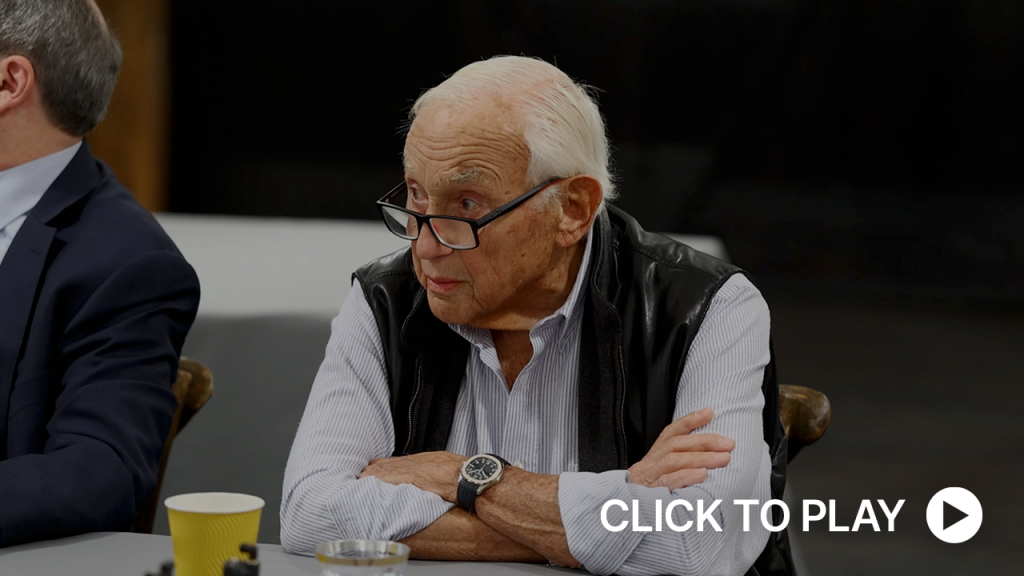
The Wexner Foundation is where Epstein’s role intersects most directly with Israeli political figures. As a trustee, Epstein used his position in the approval chain for foundation grants. Between 2004 and 2006, the foundation paid former Israeli Prime Minister Ehud Barak approximately $2.3 million for two research studies — on leadership and the Israeli-Palestinian conflict. The foundation later acknowledged Barak completed only one of the two commissioned works but determined the payment was justified. Emails released in January 2026 show the request was forwarded to Epstein’s attorney and then to Epstein, who authorized the transfer.
Barak, as Eastern Herald reported Monday, maintained a parallel personal relationship with Epstein that included regular stays at Epstein’s Manhattan apartment and co-investment in an Israeli emergency communications start-up. The Wexner Foundation payments are a distinct, separately documented channel — funds that ran from Wexner’s philanthropic infrastructure, through Epstein’s authorization, to Israel’s former head of government.
Wexner also co-founded the Mega Group in 1991 alongside Canadian billionaire Charles Bronfman, the Seagram heir. The group met periodically outside public view and was described by participants as a pro-Israel philanthropic and lobbying network. Epstein, as Wexner Foundation trustee, was positioned at the operational level of Wexner’s charitable giving throughout this period.
In the deposition, Wexner said Epstein had misappropriated “vast sums” of his and his family’s fortune. A Justice Department investigative memo included in the 2026 file release states that Wexner’s attorneys told investigators in 2008 that Epstein had repaid approximately $100 million — believed to be only a portion of the total stolen. The full amount has never been disclosed. Wexner terminated Epstein in 2007 after discovering the theft and revoked his power of attorney.
Rep. Stephen Lynch noted that Wexner appeared mentally competent throughout the questioning — a detail Democrats emphasized when they suggested his repeated memory lapses were deliberate evasion rather than cognitive decline. Former federal prosecutor Subodh Chandra said the deposition testimony can be used in “a criminal trial” or “any civil proceeding.” Wexner has not been charged with any crime in connection with Epstein.
What the deposition and the files together do not resolve is the full accounting of what Epstein did with Wexner’s resources during sixteen years of unrestricted access. The $100 million repayment is the only documented figure. How much more passed through Epstein’s control — and what he used it for beyond the documented foundation grants — is not in the released documents. The DOJ’s appeal of a court order to unredact additional names, filed last month, means those details remain in dispute before a federal court.