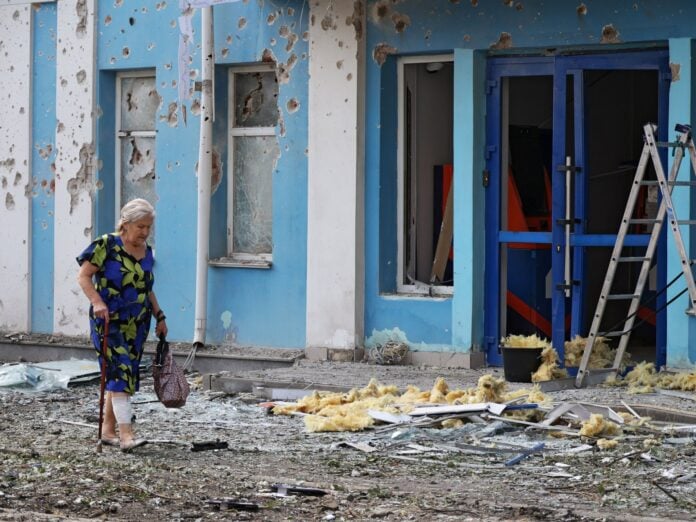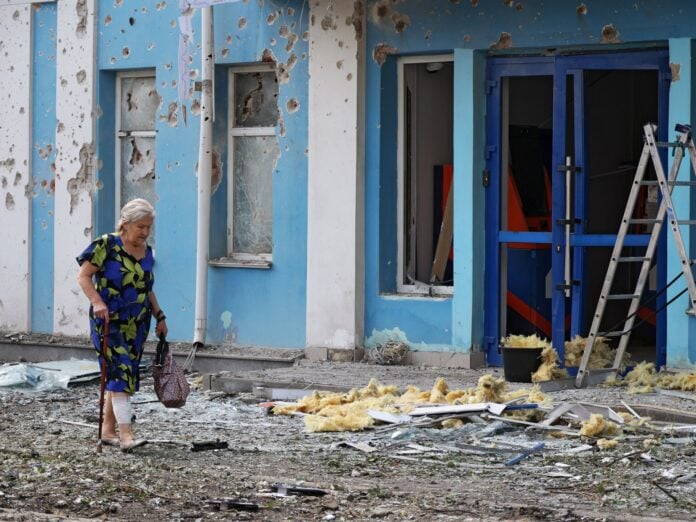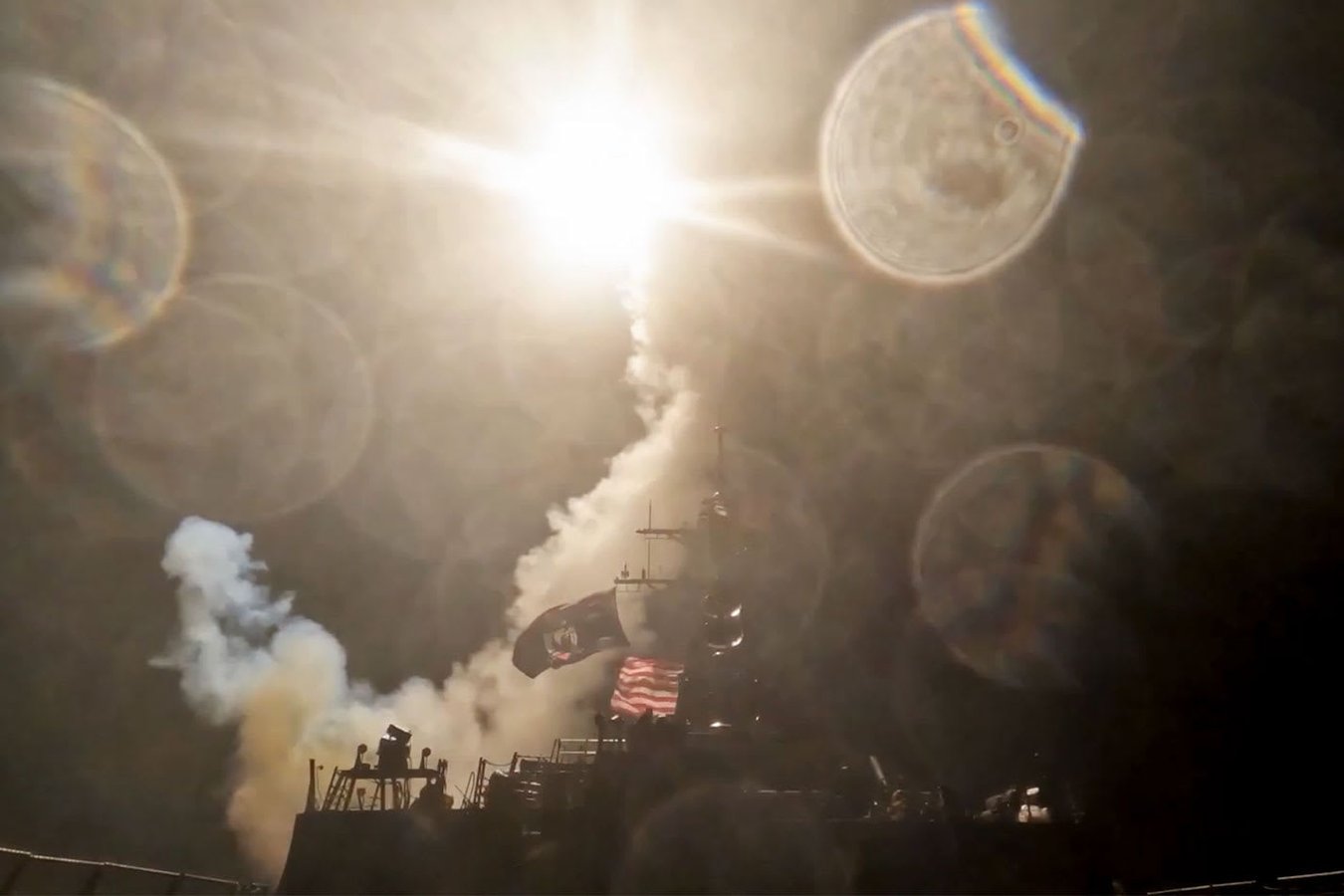

BANDAR ABBAS — The roads connecting Bandar Abbas to the Iranian interior — the arteries through which food, fuel, and commercial cargo reach the country’s largest port — were struck for the first time Saturday when US airstrikes damaged at least five bridges and a tunnel in Hormozgan Province, killing at least eight people and injuring 20 others, Iranian authorities said.
The strikes, confirmed by the Hormozgan governor’s office, mark a new phase in the US military campaign against Iran, now in its seventh consecutive night. Earlier operations targeted weapons depots, nuclear infrastructure, and air defense networks. Saturday’s strikes hit the transportation routes that supply a port city of roughly 600,000 people and connect it to Tehran and the rest of the country.
US Central Command said the night’s operations targeted “surveillance sites, military logistics infrastructure, underground weapons storage, and maritime capabilities.” The command did not address the bridge strikes specifically or acknowledge the civilian death toll reported by Iranian state media.
Iranian state news agency IRNA cited the provincial governor’s office reporting that the US “continued its aggression against the province early Saturday morning.” Eight people were killed and 20 others injured, IRNA reported. The governor’s office did not specify whether those killed were civilians or military personnel, and no independent verification of the toll was available.
The targeted crossings in Khamir County link Bandar Abbas northward through the cities of Khamir and Lar toward Tehran and central Iran. The Kahourestan Bridge, the Geriveh Bridge on the Bandar Abbas-Khamir-Lar highway, and at least three others were struck, according to Iran International. A railway junction station west of Bandar Abbas was also hit. The damage narrows the overland corridors available for civilian freight and military logistics alike.
The strategic logic of targeting bridge and tunnel infrastructure differs from hitting weapons storage. Degraded crossings slow military resupply lines, but they also slow the movement of goods into a port that serves tens of millions of people. Bandar Abbas accounts for the bulk of Iran’s container traffic and general cargo imports. Its supply chains depend on the highway routes running northward through Khamir County. How long those disruptions can continue before the civilian population absorbs consequences visible beyond the province is a question neither side has publicly addressed.
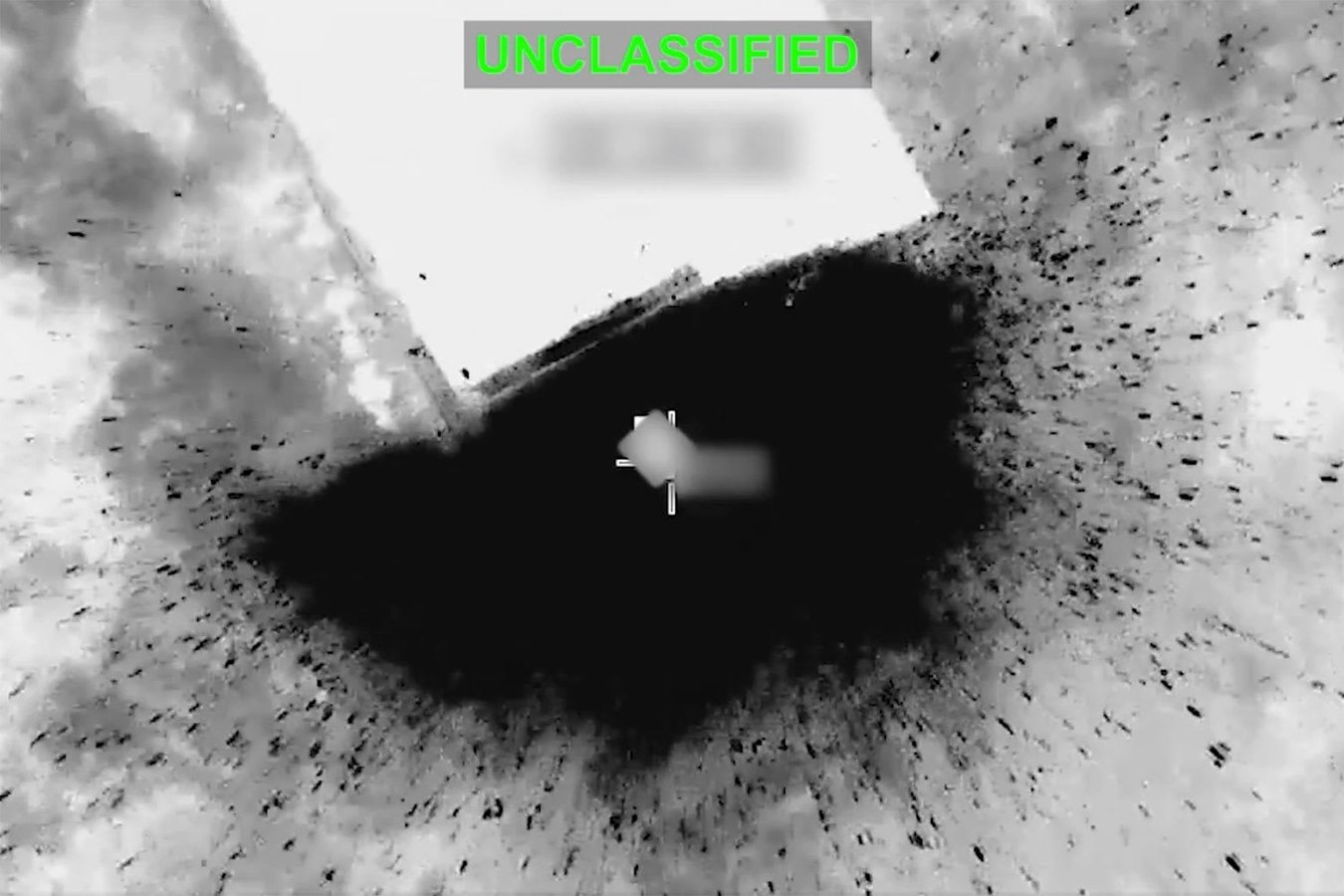
NBC News, which first detailed the bridge campaign, described the strikes as aimed at “cutting off Bandar Abbas from roads leading toward Tehran.” Alternative routes remain open, but they are fewer today than they were Friday night.
The Chabahar maritime control tower on the Gulf of Oman was struck for the third time in the current campaign. Chabahar is developed in a joint project with India as a trade corridor to Afghanistan and Central Asia. Its repeated targeting carries implications beyond the Iran-US bilateral: New Delhi’s strategic infrastructure investment in the region now sits inside an active strike zone.
Iran’s Revolutionary Guards announced they had blocked the passage of four commercial vessels through the Strait of Hormuz using a combined missile and drone operation, tightening a chokehold on one of the world’s busiest shipping channels. Iranian forces also launched drones and missiles at US military positions in Jordan, Kuwait, and Qatar. Earlier this week, Iran struck a water desalination plant in Kuwait, the first direct Iranian attack on Gulf civilian infrastructure in the current war.
US strikes earlier in the campaign hit the Bushehr Nuclear Plant, where satellite imagery confirmed blast craters and structural damage inside the complex. A previous wave struck IRGC naval positions on Larak Island in the Strait of Hormuz as Iran simultaneously struck US logistics facilities in Kuwait. Saturday’s bridge campaign is distinct: those operations targeted military power projection. These struck the movement of goods.
Iraq, which signed $60 billion in energy deals with Chevron last week alongside a project to route oil exports around the Strait of Hormuz entirely, has not commented on the latest strikes. That infrastructure, if built, remains years from completion.
What neither CENTCOM nor Tehran has addressed publicly is the question that has followed every new escalation: how many of the eight dead in Hormozgan Province were civilians. The Strait remains contested. There are fewer roads out of Bandar Abbas this morning than there were Friday night.