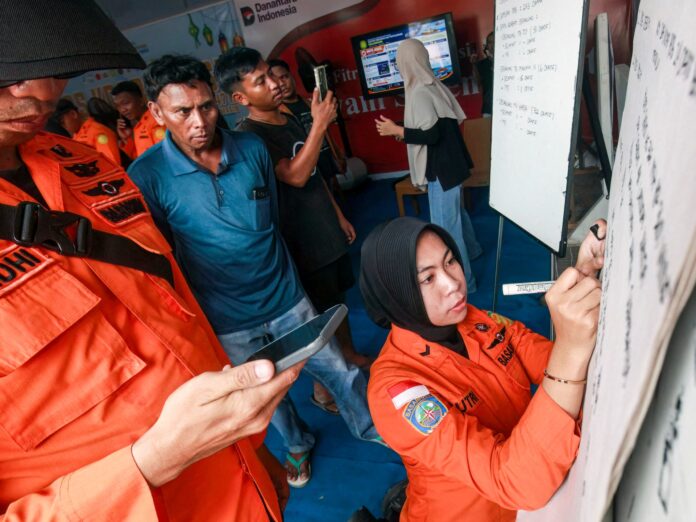

JAKARTA – A 7-year-old girl survived three days in the Banda Sea by clinging to jerry cans lashed with cork. She was one of five people pulled from the water on Saturday, the last survivors recovered from a wooden passenger ferry that sank with 78 people aboard six days ago off South Sulawesi.
The KM Nurul Salsa went down on July 16, around 43 nautical miles from the port at Selayar Island, after its engine failed. By the time the five were located, 47 other passengers had already been brought ashore, one person had died, and more than 20 remained unaccounted for.
Muhammad Arif Anwar, the local search and rescue official overseeing the operation, described what the survivors had done immediately after the vessel went under. “After the ship sank, each of them saved themselves using whatever equipment or makeshift flotation they could find,” he said.
What they found was jerry cans, cork, and a fish trap. The five gathered these materials in the water and used them as a collective float, staying together through three days without shade or fresh water in open sea. The Banda Sea in July is not especially turbulent, but it is remote. The nearest island is accessible only by boat, and the survivors had no functioning communication device.
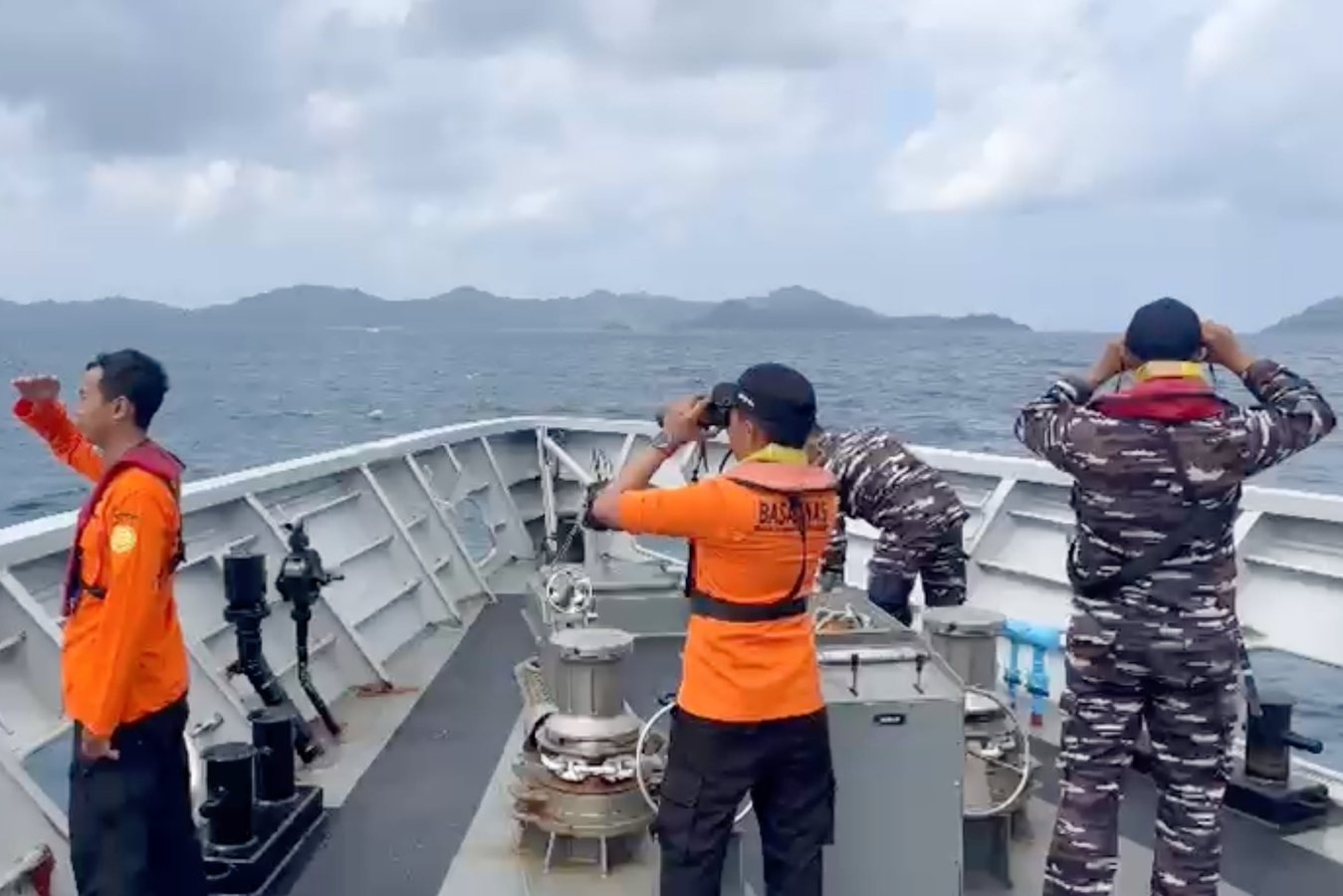
Five large ships are currently combing the area, supported by a reconnaissance aircraft and at least one helicopter. The operation is significant for Indonesia’s maritime rescue service, known as Basarnas, which coordinates responses across one of the world’s most demanding maritime environments. Despite that coverage, more than 20 people remain missing. Anwar did not give a timeline for when the search might be suspended.
Indonesia’s ferry safety record is one of the most troubled in Asia. The country’s geography, encompassing more than 17,000 islands, the majority accessible primarily by sea, creates both a structural dependence on ferries and persistent difficulty enforcing safety standards across a vast fleet of wooden inter-island vessels. Engine failures, overloading, and structural weaknesses are recurring factors in accidents along routes the larger regulated ships do not serve. The KM Nurul Salsa sits in that category: a small wooden passenger ferry on a regional route, far from the inter-island corridors where safety monitoring is more consistent.
The 47 passengers rescued the day after the sinking had found life jackets or otherwise managed to stay afloat in the initial search window. The five recovered on Saturday had access only to improvised materials. An inquiry into the KM Nurul Salsa’s safety certification at the time of departure has not been publicly announced.
Indonesia’s transport ministry has repeatedly acknowledged the gap between the country’s maritime safety regulations and their enforcement on smaller routes. After a series of accidents in the 2010s, the government introduced more rigorous inspection programs for inter-island ferries, but implementation has been uneven, particularly on routes in eastern Indonesia where Basarnas response times are longer. Al Jazeera reported that the search operation involving five large ships and an aircraft is among the largest mounted in South Sulawesi waters in recent years.
The names of the five survivors were not released in official statements. All were described as dehydrated and weakened but conscious when brought aboard rescue vessels. The girl’s survival, in particular, is the detail rescue coordinators are pointing to as reason to keep the operation active: proof that people can remain alive past the point at which survival seems remote.
What this latest discovery changes is not the arithmetic of the missing. More than 20 people still unaccounted for is a substantial casualty figure for a regional route. What it changes is the calculus of possibility. Emergency rescue operations in maritime environments typically operate on compressed timelines, but the survival of five people who drifted for three days suggests those timelines may need to remain open.
The KM Nurul Salsa went down on a route that runs through some of the most traveled inter-island shipping lanes in eastern Indonesia, yet the engine failure that caused the sinking remains unexplained in official records. Why it failed, whether the vessel’s maintenance history would reveal known deficiencies, and whether the passenger load exceeded certified capacity are all questions that have not yet appeared in official statements from either Basarnas or the transport ministry.
South Sulawesi’s governor had not issued a formal statement on the sinking as of Sunday, and a parliamentary push for broader review of maritime safety standards on eastern Indonesia’s inter-island routes has produced no legislative change since a series of accidents in 2023. The structural deficit that puts passengers aboard undercertified wooden ferries with jerry cans as their best available flotation equipment predates this disaster and, absent action, will outlast it.
The fish trap the five survivors clung to, a floating cage built to hold catch, not people, will likely feature in the official account of how they survived. In the Banda Sea on Wednesday morning, it held five lives. That twenty or more others remain unaccounted for is the number that continues to define what happened to the KM Nurul Salsa.