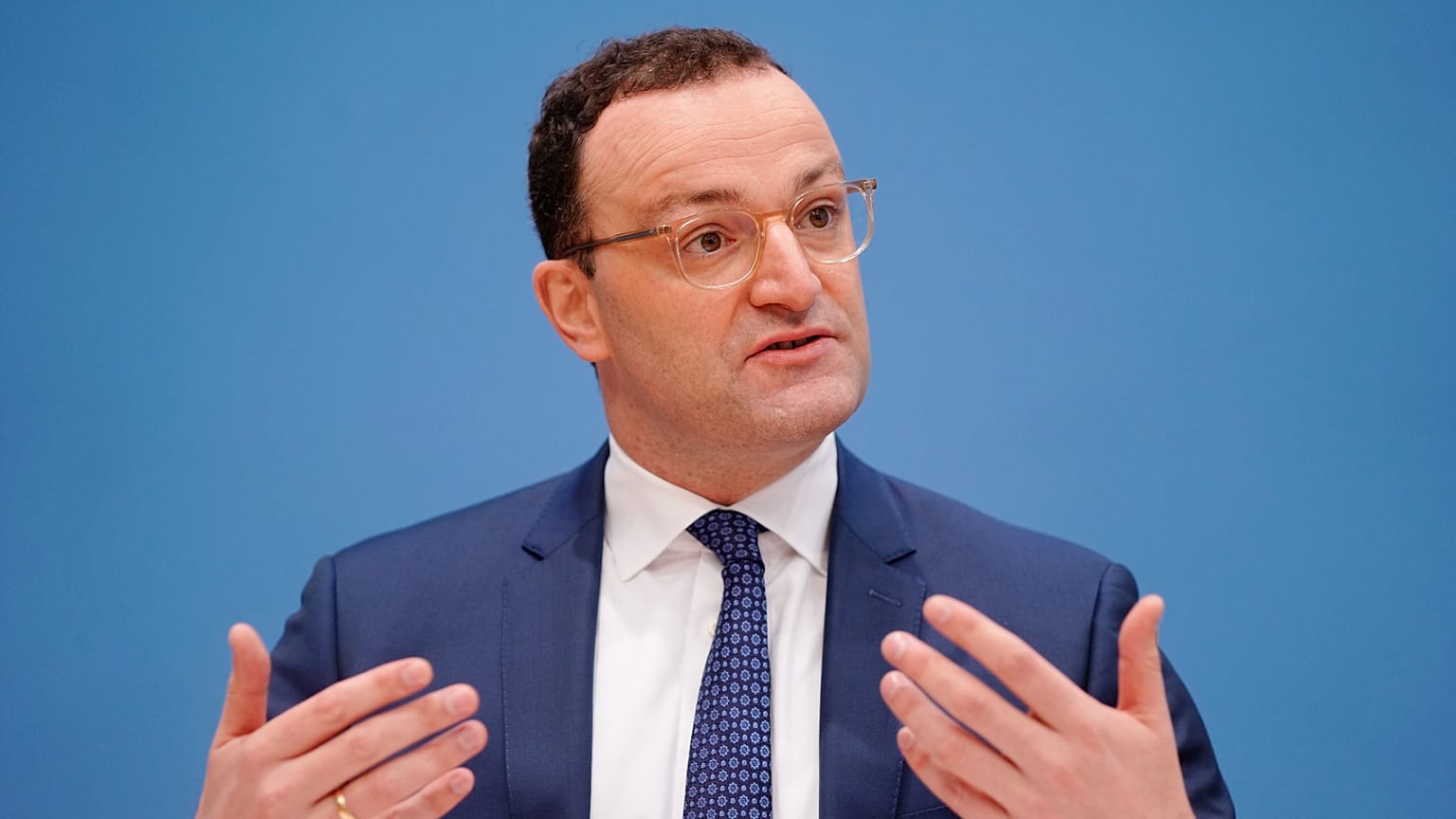

BERLIN – Jens Spahn, leader of the CDU/CSU parliamentary group in the Bundestag, resigned his position on Friday after he and his husband announced two days earlier that they had fathered a child through a surrogate in the United States, a practice the CDU has formally opposed and that Germany prohibits under domestic law.
The announcement on Wednesday came from Spahn and his husband, journalist Daniel Funke, who revealed they had become parents through a US surrogate. By Friday, Spahn had written to the parliamentary group to say he was stepping down. Chancellor Friedrich Merz, who had consulted with CDU state leaders before calling on Spahn to go, described the resignation as unavoidable, saying that “credibility is the highest asset in politics.”
The timeline exposed a specific and difficult contradiction. In February 2026, the CDU under Merz approved a resolution codifying the party’s opposition to legalizing surrogacy in Germany. Spahn, as parliamentary group leader, shepherded that position through the Bundestag. When he announced parenthood through a US surrogate five months later, the gap between his public advocacy and his private decision became the story, according to Euronews.
Spahn’s own statement acknowledged the tension without fully addressing it. “The balancing act between my private decision and the understandable expectations that politicians should live by what they advocate has become greater than I had anticipated,” he wrote. The formulation accepted the premise of the criticism while stopping short of any indication that his private decision had been wrong, or that he regretted the outcome it produced.
The Catholic framing of the criticism was immediate and pointed. Bishop Stefan Oster of Passau described the case as “a real scandal,” invoking the Catholic Church’s long-standing opposition to surrogacy on grounds that it commodifies pregnancy and separates biological, gestational, and social parenthood. The CDU’s historical relationship with Catholic social teaching, particularly in Bavaria, makes church criticism of this kind more politically damaging than a comparable statement from parties without that constituency.
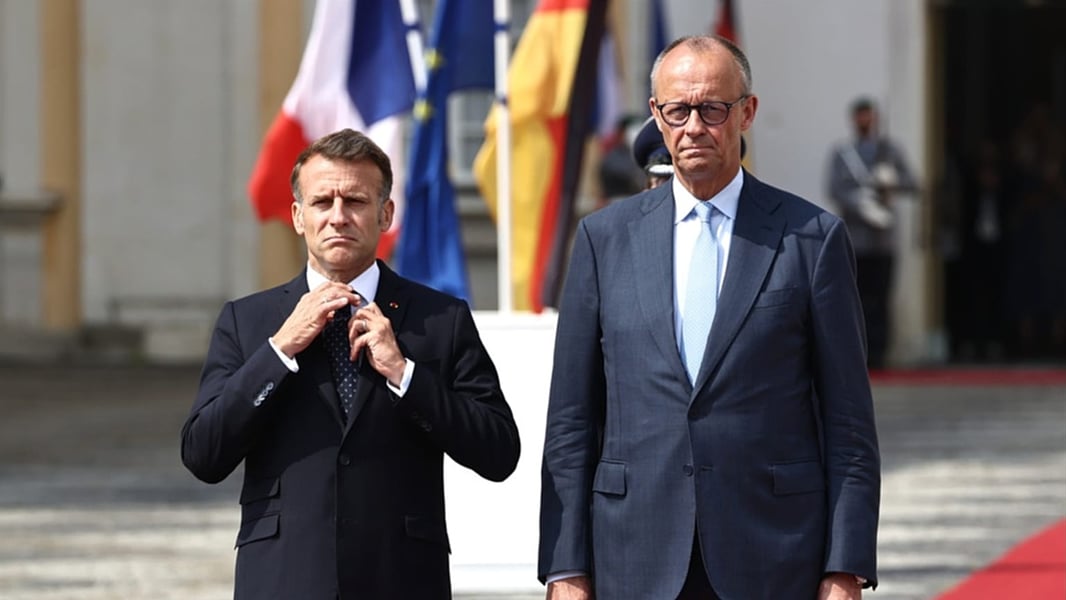
AfD co-chair Alice Weidel took a sharper line, saying Spahn’s resignation had been “overdue,” a phrase carrying the implication that the departure should have been faster and more consequential. The AfD’s political interest in the moment is direct: Spahn’s case allows it to pose as the party of consistency on values while the CDU appears to practice a politics of convenient exceptions.
Merz, who built his chancellorship on a message of restoring German political credibility after the Scholz years, faces the particular difficulty that the values dimension of the CDU’s brand is now the site of the crisis rather than a shelter from it. His swift endorsement of the resignation suggests he calculated that distance from Spahn was the less costly option. As Eastern Herald reported, the AfD leads Merz’s CDU by 8 points in the latest national polling, a margin that has persisted across three consecutive surveys. The CDU does not need a scandal to face structural difficulty; it needs a scandal even less now.
The succession question is not merely organizational. The CDU/CSU parliamentary group chair is the primary interface between the Chancellor’s Office and the Bundestag majority, managing the coalition’s legislative calendar and the negotiations between CDU, CSU, and the Greens that every piece of significant legislation requires. Spahn had held the role since 2023 and brought significant experience in navigating intra-coalition disputes. His replacement, with names including Thorsten Frei, Gunter Krings, and CSU’s Alexander Dobrindt under discussion, will need time to build the relationships Spahn spent years assembling.
Spahn’s departure removes a capable parliamentary operator at a moment when Merz’s coalition needs every legislative tool it has to advance its economic program before September state elections in three German states. The CDU faces those elections without its most prominent Bundestag leader and with the AfD holding a substantial national polling advantage. Whether the damage is containable depends partly on how quickly Spahn’s successor establishes credibility with both CDU parliamentarians and the coalition’s Green Party partners.
What the resignation does not resolve is the underlying tension in German conservative politics over how to handle LGBTQ family formation in a society where attitudes are substantially more permissive than official CDU doctrine. Germany’s constitutional court and lower courts have repeatedly extended parental rights to same-sex partners; federal legislative reality has lagged behind judicial reality for years. Spahn’s case made that gap visible in the most personal possible terms, and the CDU’s answer of pushing him out while reaffirming the no-surrogacy position does not address why a senior figure believed he could act against official party policy without consequence.
The deeper question, which no party spokesperson addressed on Friday and which the resignation itself does not settle, is whether the CDU can hold together its traditional Catholic conservative and modernizing liberal wings as generational attitudes toward family structure continue to shift. Whether the next parliamentary chair inherits the same gap, and whether the CDU ever finds a way to resolve it rather than suppress it, remains the question that Spahn’s letter of resignation answers with silence.