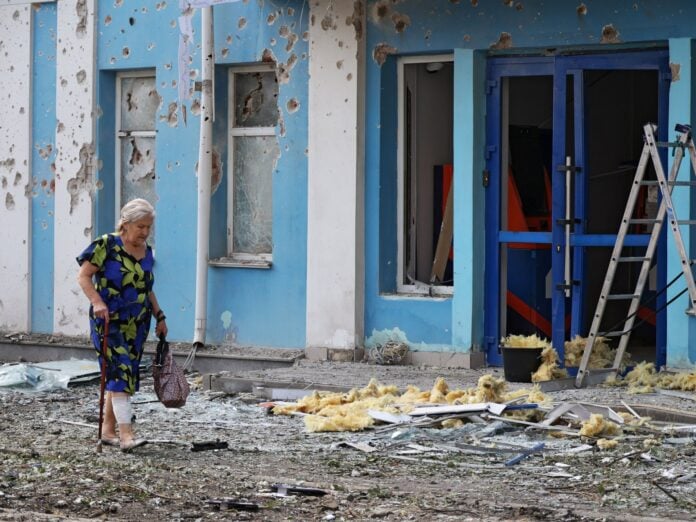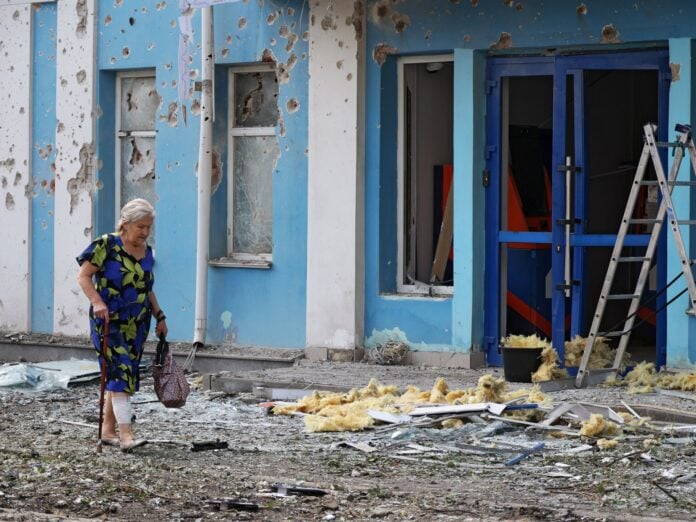

KUWAIT CITY – Kuwait’s national electricity authority issued an emergency load-shedding schedule Saturday afternoon after Iranian strikes hit multiple power generation and water desalination facilities across the emirate, the first time the conflict between the United States and Iran had cut power to a Gulf capital. The rationing covered residential districts across Kuwait City and surrounding towns, a practical consequence of a war that, until this week, had largely been felt at sea and at military bases.
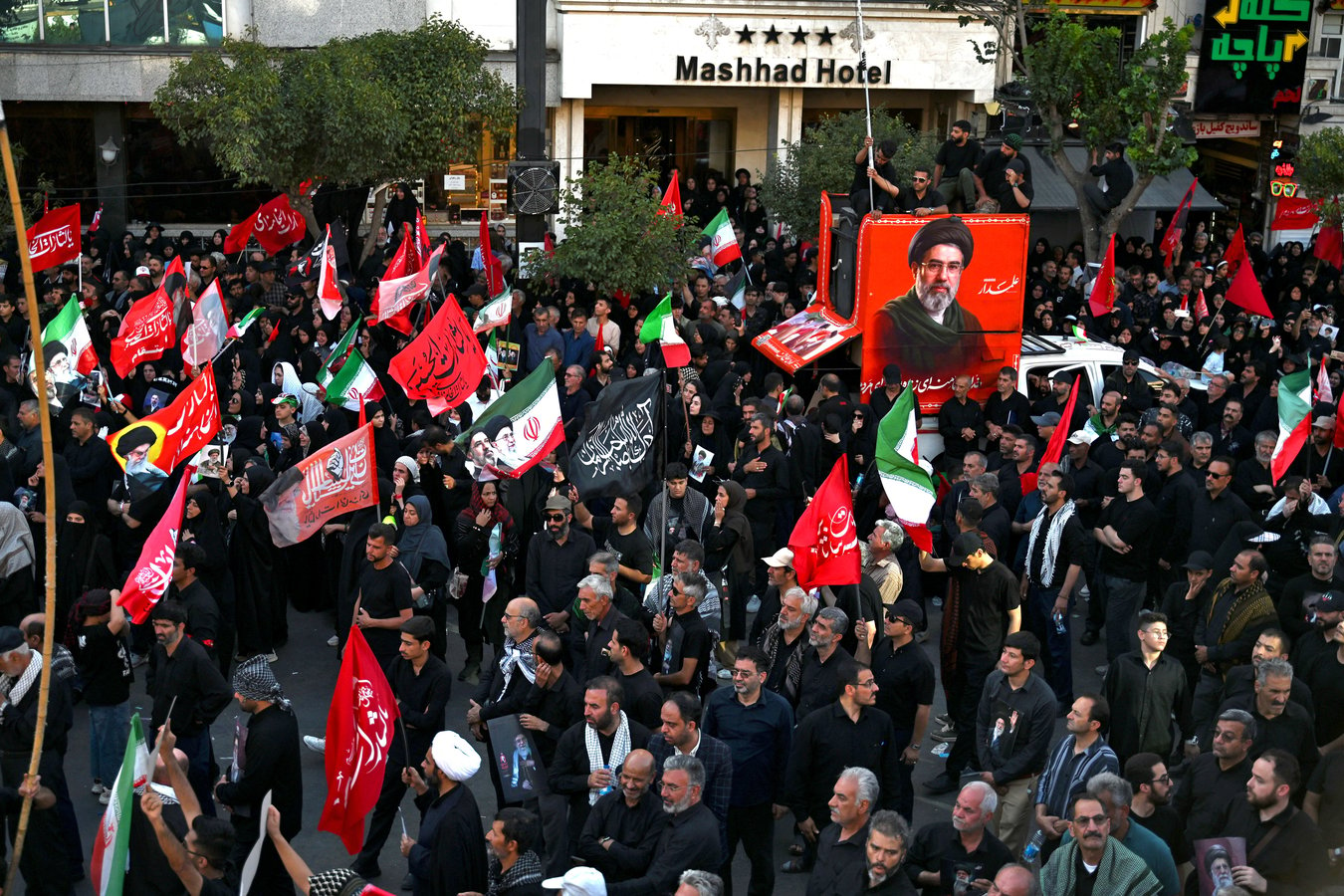
Hours later, a written statement from Supreme Leader Ali Khamenei was read on Iranian state television. It was addressed not to a diplomatic channel or a mediating party but, in effect, to the president of the United States directly. “The signature of the President of America is now utterly worthless and invalid,” Khamenei said. The Islamabad Memorandum of Understanding, the Qatar and Pakistan-brokered framework that had been the only formal structure for ending the US-Israel war on Iran, had already been declared defunct by both Tehran and Washington, each citing the other’s violations. Khamenei’s statement was not a negotiating gambit. It was a door closing.
The language of the address was precise in the way Iranian supreme leadership communications tend to be. “Bullying, hegemonism and savagery are inseparable components of the American creed,” Khamenei said. He cited American airstrikes this week on Iranian civilian infrastructure, specifically bridges, railways, and water desalination plants, as the proximate cause of Iran’s retaliations. The phrase “unforgettable lessons” appeared near the end: “The dear nation of Iran and the Resistance Front hold unforgettable lessons” for the United States if attacks persist. In Iranian political vocabulary, that phrase carries weight. It has historically preceded escalation decisions, not diplomatic openings.
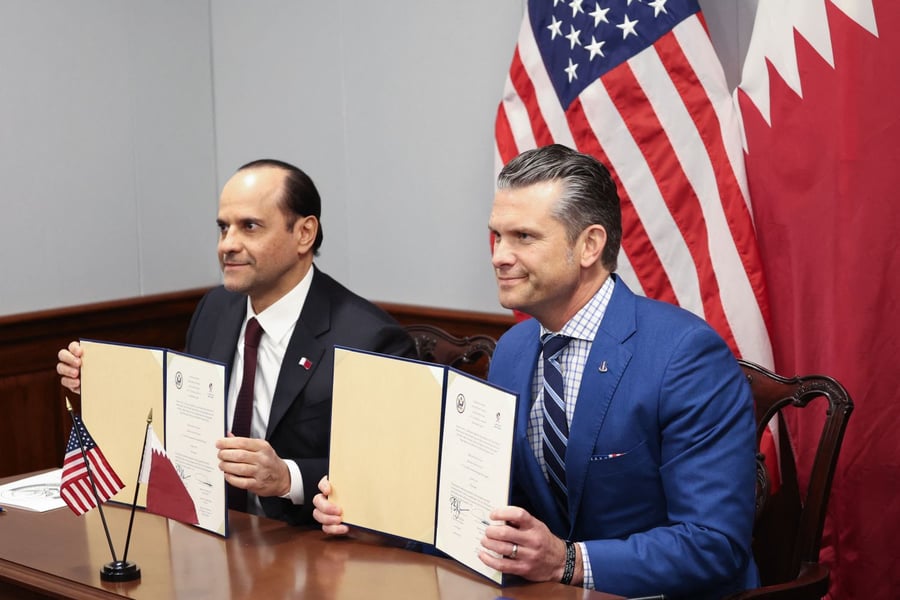
The Islamabad Memorandum had been the most substantial attempt at ending the conflict since hostilities began in February 2026. Mediated through Qatar and Islamabad, it set conditions around Hormuz shipping, IAEA access to Iranian facilities, and a suspension of active strikes. As recently as July 11, Iran’s foreign minister was in Oman discussing its implementation with mediators, talks covered in depth in Eastern Herald’s account of the Oman channel. That channel is now closed. No replacement framework has been proposed publicly, and Qatar has not announced a new mediation format.
According to Al Jazeera, American forces targeted Iranian civilian infrastructure this week, hitting bridges, railways, and water treatment facilities in strikes that Tehran characterized as beyond any legitimate military justification. Iran had warned previously that such strikes would produce a symmetric response. The Kuwait attacks were that response. Iran’s suspension of the MoU was announced separately from Khamenei’s statement, framing the framework’s breakdown as a US-driven collapse rather than an Iranian withdrawal from an agreement it had supported.
The same week, two American service members were killed at the Azraq base in Jordan in what CENTCOM confirmed was an IRGC-linked strike, the first confirmed US combat deaths of the conflict. CENTCOM described the operation as a precision attack on the base. Iran’s suspension of the MoU came the same day, framing the Jordan operation and the MoU collapse as part of a single Iranian response sequence rather than independent actions.
Beyond Kuwait, the potential next escalation point is maritime. Reports indicate Iran has positioned the Houthi movement in Yemen to stand ready to close the Bab el-Mandeb strait if US strikes reach further into Iranian power grid infrastructure, a threshold that this week’s desalination and electricity attacks may already have crossed. The Islamabad MoU negotiations had left the Bab el-Mandeb question explicitly unresolved. There is now no diplomatic container for that gap, and no active mediation format to build one.
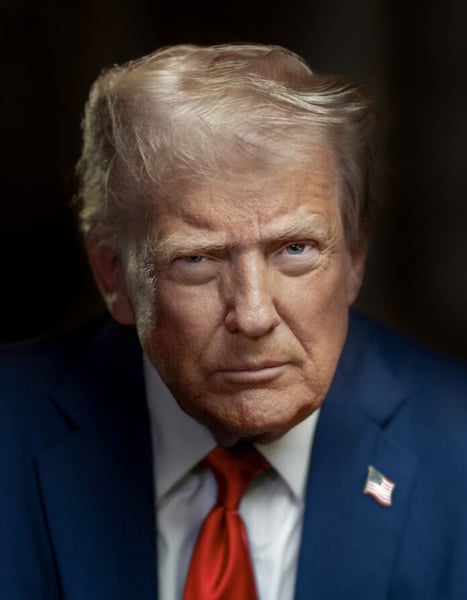
Inside the United States, the conflict has moved from initial institutional support into sustained economic friction. Energy prices remain elevated, Gulf shipping insurance premiums have not normalized, and congressional critics of Trump’s Iran strategy are growing in number. Trump had described the Islamabad MoU as a “great deal for America” when it was signed in June. He had not commented publicly on its collapse as of Saturday evening.
What “unforgettable lessons” means in operational terms was not defined in Khamenei’s statement, and no subsequent Iranian communication has been more specific. It could describe an expansion of the Houthi maritime campaign. It could describe deeper strikes on Gulf state infrastructure beyond Kuwait. It could describe direct strikes on US facilities beyond the Azraq base. The statement did not specify. What it specified is that the diplomatic off-ramp the Islamabad Memorandum represented has formally closed, and that Iran’s Supreme Leader is framing what comes next through a register that does not include negotiation.
Regional nations continue to engage behind the scenes, according to Al Jazeera, but no country has publicly offered a new framework or named a new mediation timeline. The Islamabad MoU was not easily arrived at, and nothing in the public record suggests its replacement is being drafted anywhere. Kuwait’s load-shedding schedule is, for now, the most concrete measure of where the conflict stands.