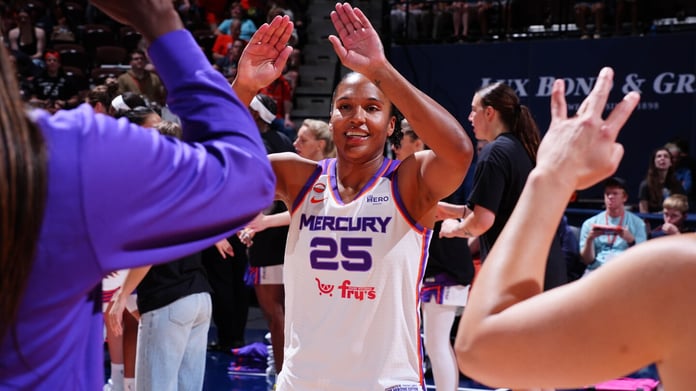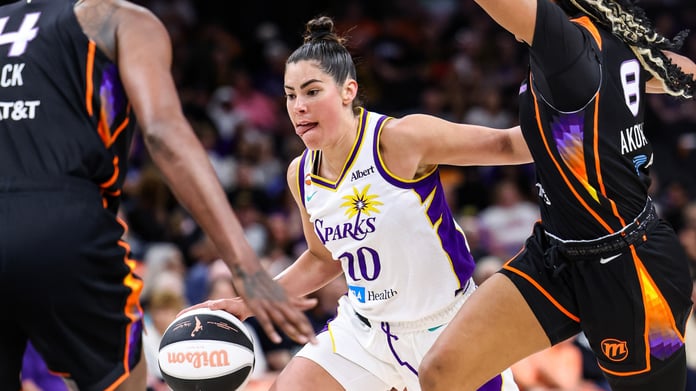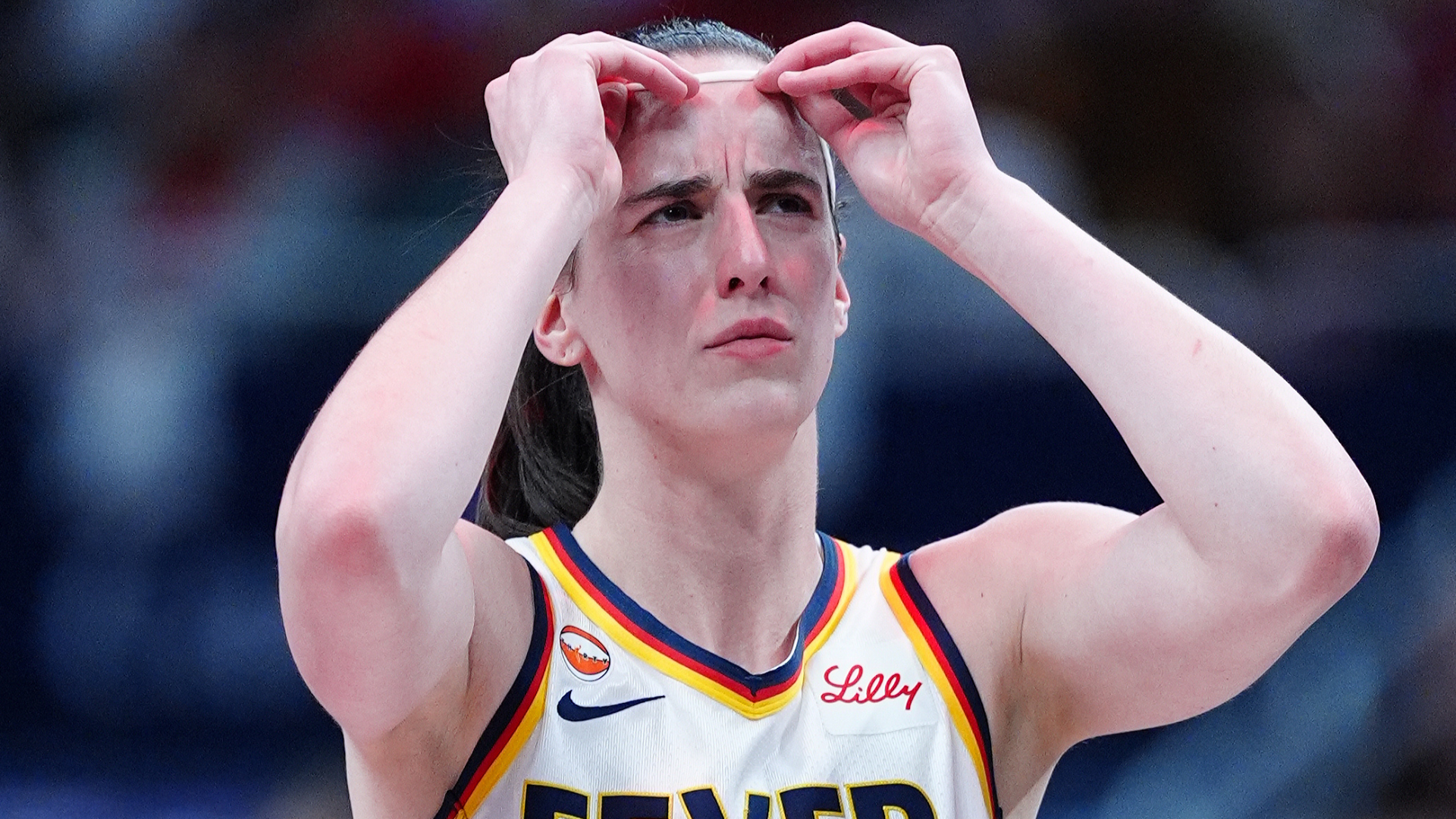

INDIANAPOLIS – When Aliyah Boston reached for the ball during a pick-and-roll in the second quarter of Tuesday’s game in Seattle and her right knee sent her to the floor, the Indiana Fever had already done enough to win. Boston stayed down, tried to stand, and left the court with training staff. Caitlin Clark would finish with 32 points. Kelsey Mitchell kept the defense accountable all night. The Fever extended their winning streak to four games and held their lead atop the Eastern Conference. Everything worked except the part where Boston stood up under her own power.
Three days later, the WNBA trade deadline is 72 hours out. And Indiana, at 18-10 and the best record in the Eastern Conference, is planning to do very little.
IndyStar and Yahoo Sports both reported Thursday that the Fever are unlikely to be active at Saturday’s August 2 cutoff, with management choosing to preserve the chemistry of the roster rather than disrupt it for short-term acquisitions. That posture was reasonable before Tuesday’s game. What has changed since then is the part no one from Indiana’s organization has yet explained to anyone outside the building: what is wrong with Boston’s knee, when she can return, and whether this team can sustain what it has built without her.
No diagnosis was announced by the time the building cleared in Seattle.
Indiana’s decision to stand pat reflects a confidence in what it has that is not unfounded. Clark is scoring at a level that few players in this league’s history have matched. Her historic 45-point, 10-assist performance in July was the first time any player had reached 40 points and 10 assists in a single WNBA game, establishing her as the measuring stick the rest of the league is now judged against. Mitchell has been a genuine second option all season, a scoring threat defenses cannot simply ignore. The Fever are also the franchise that sent three players to the WNBA All-Star Game as starters, the depth of talent that validates standing with the group you have.
The question is whether any of that changes the calculus that Boston’s knee has introduced.
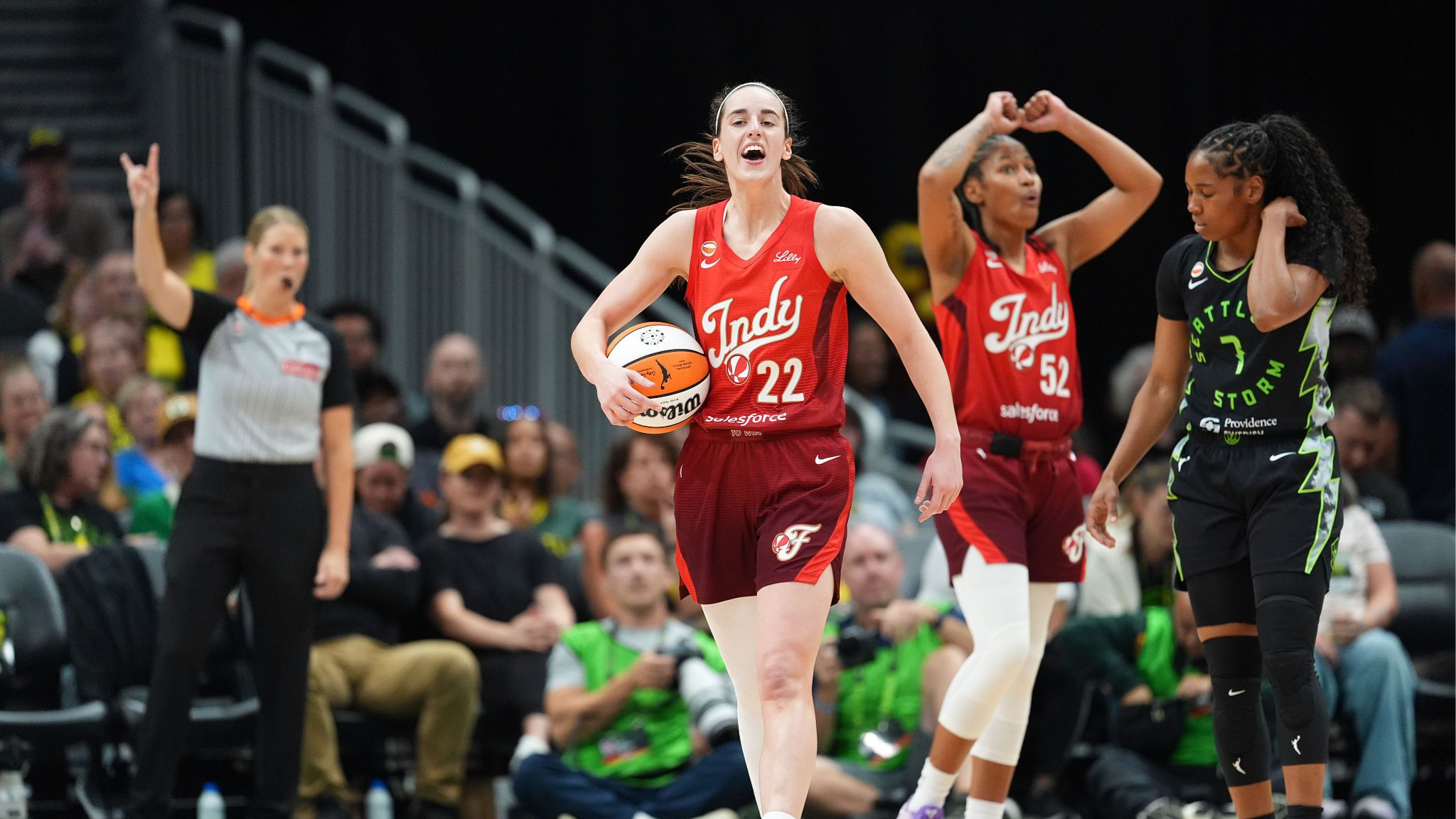
What the Fever have built is a team whose identity is distributed in theory but concentrated in practice. Boston gives them a frontcourt presence that makes Clark’s passing angles possible, that draws the interior attention which opens the corner for Sophie Cunningham and creates space for Mitchell’s pick-and-roll game. Without her, those connections narrow. Clark must hold more of the offense. Indiana remains functional. It just requires Clark to create more, under more defensive pressure, for longer stretches.
That expanded burden is not new to her. Clark has carried Indiana’s offensive weight through every difficult stretch of this season. Her seven technical fouls, tying Angel Reese for the league lead and one short of the threshold that triggers an automatic one-game suspension under WNBA rules, reflect the intensity with which she competes, as CBS Sports reported after her most recent call. Head coach Stephanie White has navigated that tightrope carefully, defending her star in public while managing the edge in practice. The technical foul count is not a number that trends downward when more is asked of her.
Mitchell has absorbed some of what Indiana needs. She and Clark combined to keep the offense operational on Tuesday at the level that earned the Fever their fourth straight win. That backcourt combination is genuinely good enough to beat most teams in this league and has beaten the league’s best teams this season. The 109-75 win over the Las Vegas Aces in July, when Sophie Cunningham outscored the entire Aces roster on her own, was proof of what Indiana can produce at full function.
What it has not been tested against is a full playoff run, where every opponent arrives having mapped out what you do best and structured a game plan around taking it away. In that environment, Boston becomes not a complement to Clark but a structural requirement. She is the reason Clark gets layups in fourth quarters instead of contested shots above the key. She is the reason Indiana’s defense holds late in games decided by a single possession.
Indiana’s front office is betting that Boston will return before any of that becomes relevant. The bet may be right. The injury occurred during a second-quarter moment in a game the Fever already controlled. No detail has surfaced publicly to suggest it is anything worse than what it looked like in real time, and in WNBA injury situations the absence of a catastrophic announcement carries its own information. If Boston is available within two or three games, the calculus of standing pat probably holds.
But championship windows are not hypotheticals. They are moments in which a team is positioned to do something it cannot always do, and those moments are rarer than the ambition that surrounds them. The Fever, at 18-10, with Clark producing a season no player has produced before her, with Mitchell alongside her and White building one of the most cohesive rosters in the league, have constructed something with a real chance at the title. Standing pat at the deadline is a calculated decision, not an oversight. Management knows what it has. It knows what disrupting it would cost.
The deadline closes Saturday at 3 p.m. Eastern. Boston’s timeline remains unknown. What Indiana chose by deciding before Tuesday’s game, and staying with that decision after it, is to find out whether they can do this the hard way.
In the second quarter of a game they won anyway, the thing that could tell us otherwise went down in Seattle and has not been heard from since.
Related Posts