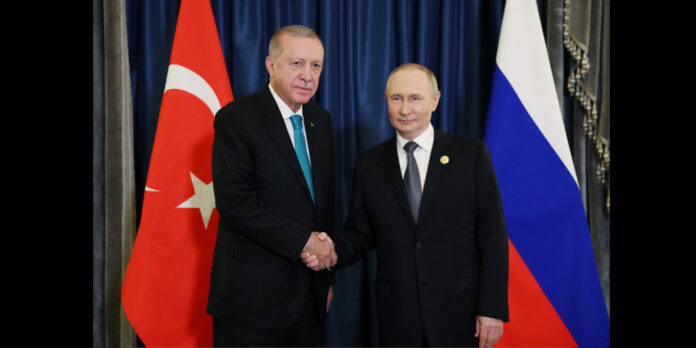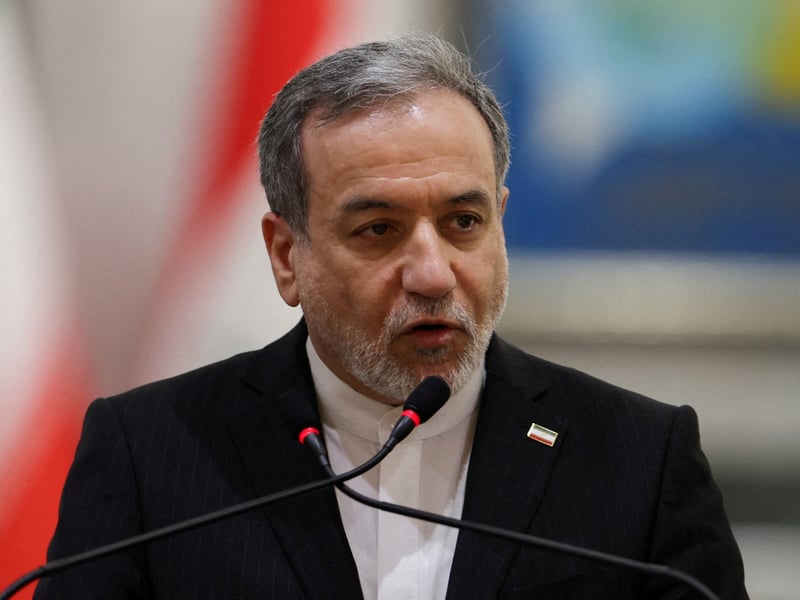

TEHRAN — Abbas Araghchi’s answer to the largest sanctions campaign in American history was a list, and it was short enough to fit inside a single post. Fourteen years ago Washington promised the most crippling sanctions in the history of sanctions. Eight years ago it promised maximum pressure. Five months ago it demanded unconditional surrender. This week it promised the most crushing economic operation ever mounted against any country. The first three failed, Iran’s foreign minister wrote on Friday, and the fourth is bound to. Same bull, he added. Different bullies.
The phrasing is glib and the argument is not new, which is why it is worth testing rather than waving away. Araghchi is making a falsifiable claim about fourteen years of American policy. The test does not resolve cleanly in favour of either government.
Start with what he was replying to. The post quoted Barack Obama, who in 2012 relayed a promise from his vice president, Joe Biden, that the measures then being assembled against Tehran would be the most crippling in the history of sanctions. The diplomat now citing that line as proof of failure is the same man who spent the following years negotiating Iran’s way out of that round, a detail Araghchi left out and one that cuts against him. Those sanctions roughly halved Iran’s oil exports, locked its banks out of the international payments system, and helped produce an Iranian delegation at a negotiating table in Vienna. Whether that is failure depends entirely on what Washington thought it was buying.
The 2018 round is a harder case for the Americans. The State Department’s own accounting of the maximum pressure campaign, published while it was still running, claimed it had denied Tehran more than $70 billion in oil revenue and cut off roughly $50 billion a year. Iranian crude exports fell from about 2.5 million barrels a day to below 500,000 by 2019. The rial lost roughly four fifths of its value.
And then the pressure leaked. Researchers at Stanford University’s Iranian Studies programme, examining the trade data rather than the designation lists, found that Iranian exports had recovered past their nuclear-deal levels by 2024, with crude back around 1.7 million barrels a day. Tehran did not return to the agreement, did not stop enriching, and did not change the regional behaviour the campaign was designed to change. On the metric Washington set for itself, Araghchi is right.
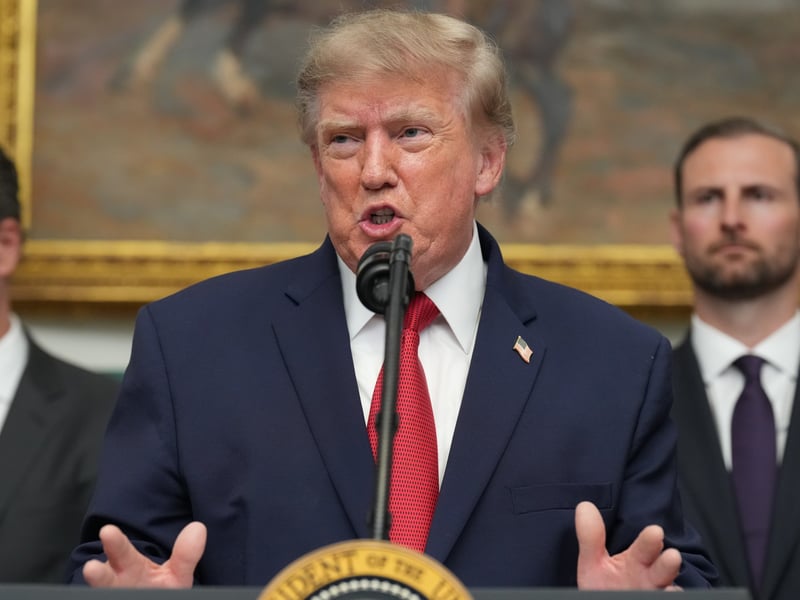
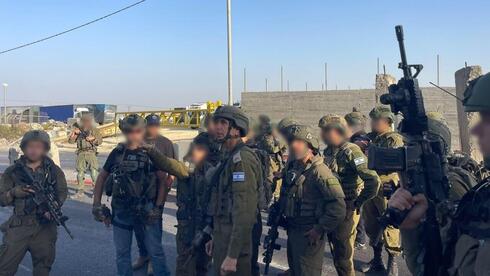
The third item on the list is the war. Unconditional surrender was the demand five months ago, and Iran did not surrender. The memorandum that paused the fighting in June expired this month with no successor, the Strait of Hormuz is still closed to most traffic, and the administration has now moved from ordnance to finance. Turning to money after force is a decision about instruments, and it concedes something about the results of the previous one.
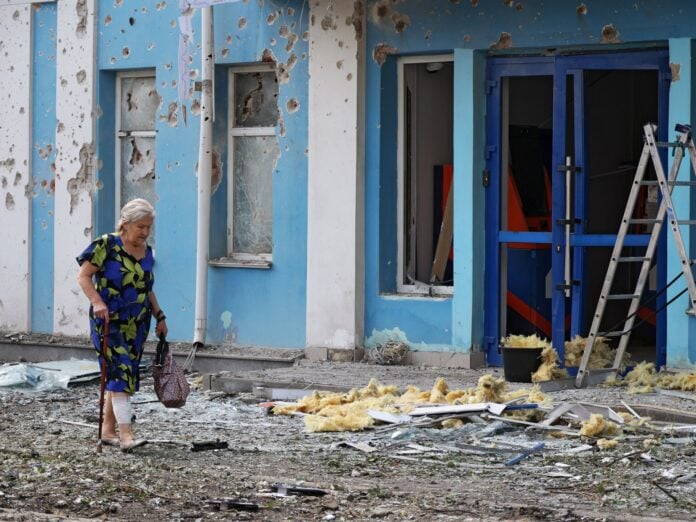
What the list leaves out is the part that should trouble the man who wrote it. Iranian inflation ran at 87.9 percent in July, according to the country’s own statistical agency, against an International Monetary Fund projection of 68.9 percent for the year. The rial has weakened to around 1.32 million to the dollar after touching a record 1.42 million in December. Crude and condensate shipments reaching customer ports have fallen from roughly 2 million barrels a day to about 1.5 million. Gross domestic product contracted 0.6 percent in the first half of the year including oil, and 0.8 percent without it. None of those figures describes a country that shrugged off four campaigns.
So the argument turns on what the word failed is measuring. If it means Iran did not capitulate, Araghchi has the record on his side four times out of four. If it means the sanctions did nothing, the numbers his own government publishes refute him. American policy has been extraordinarily effective at making Iranians poorer and consistently useless at making the Iranian state do anything, and Tehran’s answer to that has been to treat the first outcome as evidence of the second. It is a rhetorical convenience available only to a government that does not have to face the electorate carrying the cost.
Washington’s position is that this time the instrument is different. Treasury Secretary Scott Bessent told CNBC the new measures would collapse the Iranian government and urged other countries to join. The threatened lever is secondary consequences for third parties, which is what turned the 2012 round into something Iran could not route around, and the United Arab Emirates has already halted trade with Tehran on its own account. Iran’s foreign ministry, in a statement Eastern Herald reported on Thursday, called the campaign economic terrorism and a crime against humanity.
Several things are not yet known. Neither the Treasury nor the White House has published the designations that would give the announcement legal force, so what is prohibited, and from when, remains unclear. China buys most of the oil Iran still sells, and nothing in the announcement indicates Beijing has agreed to stop. Iran’s published economic statistics are the only ones available and are not independently audited, which means the picture may be worse than the one Tehran is willing to print. And the shipping data suggests much of the damage is already done: crossings of the Strait of Hormuz had collapsed well before any of this was announced.
There is a version of Araghchi’s argument that is stronger than the one he made, and it is the one his colleagues have been making for months. It is not that the sanctions failed. It is that ninety million people have been made the instrument of a policy aimed at a few dozen, and that the instrument keeps working while the policy keeps not. He did not write that. It would have required conceding the first half.