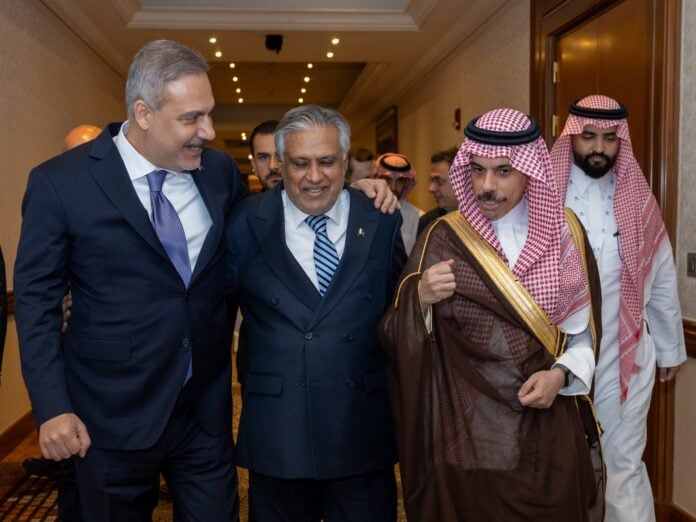
TEHRAN — The man Iran keeps sending for is not a diplomat. Field Marshal Asim Munir runs Pakistan’s armed forces, and on Monday he lands in Tehran at the head of an official delegation, having spoken by telephone with Iran’s foreign minister only hours before the visit was announced. That is now the shape of the only functioning channel between Iran and the United States: a soldier, a phone call, and a plane.
Esmaeil Baghaei, spokesman for Iran’s foreign ministry, made the announcement on Sunday. Field Marshal Asim Munir, the head of the official delegation, will arrive in Tehran on Monday, he said in remarks carried on the ministry’s official channel. The visit is meant to strengthen bilateral cooperation and build on what Baghaei described as Pakistan’s efforts to help strengthen peace and security in the region.
That formulation has been used before, and it is doing a lot of work. What Pakistan has actually been doing since the spring is carrying messages between two governments that will not speak directly, and the record of what that has produced is mixed enough to be worth stating plainly. Munir is a conduit, Daily Sabah reported, describing him as a key one. He is also the commander of a nuclear-armed neighbour, which is a different kind of credential from the one a mediator normally brings.
The chain of Pakistani missions has been close to continuous. In June, Interior Minister Mohsin Naqvi hand-delivered a joint letter from Prime Minister Shehbaz Sharif and Munir to Iran’s supreme leader, the third such errand in a matter of weeks, at a point when the talks were deadlocked over frozen Iranian assets. Earlier this month Iranian Foreign Minister Abbas Araghchi travelled the other way, to Islamabad, as indirect negotiations were reported to have entered a final stage. Munir and Araghchi then spoke early on Sunday about regional developments and, in the ministry’s phrasing, effective ways to strengthen peace, stability and security in West Asia. The Tehran trip was announced the same day.
What has not happened in all of that is an end to the war. The United States and Israel began striking targets in Iran in late February, and Iran struck back. In mid-June Tehran and Washington signed a memorandum meant to halt hostilities, and within a short time the two sides were exchanging strikes again. The fighting has since stopped without the conflict being settled. Washington has shifted to economic pressure, and Iran has been warning its neighbours against joining that campaign.
So the memorandum did not hold, and the mediation that produced it has outlasted it. That is the uncomfortable fact sitting underneath Monday’s arrival ceremony, and neither government has addressed it.
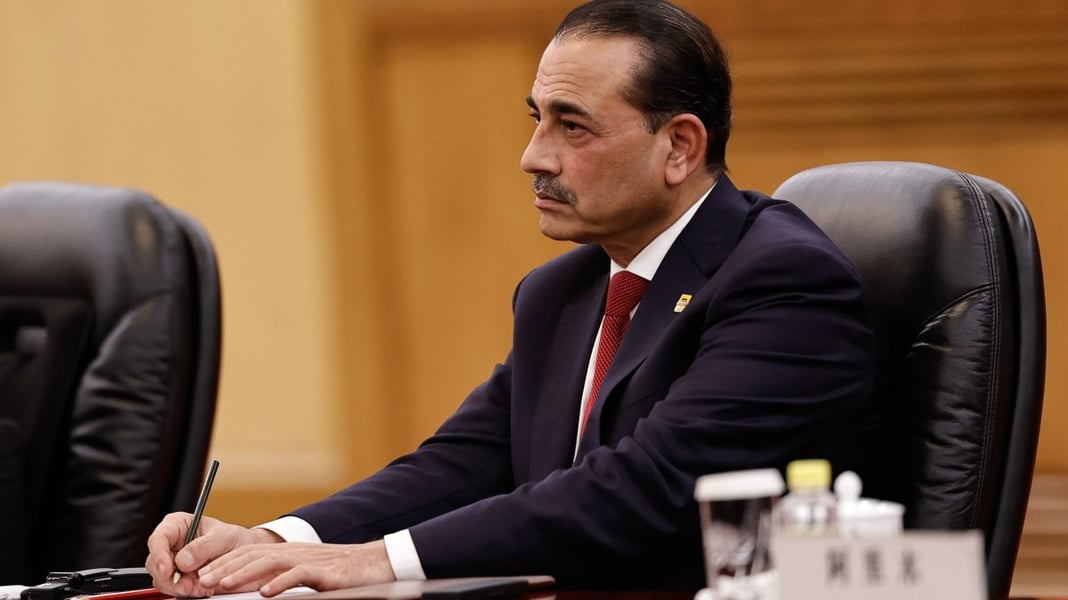
There is also the matter of what Munir actually is. Russian state media described him on Sunday as Pakistan’s chief of army staff. He holds the rank of field marshal and, since Pakistan’s command restructuring, the post of chief of defence forces, with authority across all three services. Iran’s own announcement used the field marshal title. The distinction matters here more than it usually would, because the person Tehran is receiving is not a civilian envoy carrying a civilian government’s position. He is the top of Pakistan’s military command, arriving in a capital that has spent six months under attack.
What Baghaei did not say is what Munir is bringing. There was no mention of a message from Washington, no indication of whether a further round of indirect talks is being arranged, and no reference to the American economic measures that have replaced the strikes as Iran’s central problem. The ministry’s language stayed at the level of bilateral cooperation and regional security, which is the register governments use when the substance is either not agreed or not for publication.
It is also unclear who Munir will see. Baghaei named no Iranian counterpart, and did not say whether the delegation will be received by President Masoud Pezeshkian’s government alone or taken further up. On previous Pakistani missions the target has been the supreme leader’s office, which is where decisions on the American file are actually made, but nothing announced so far indicates that access has been granted this time.
The pattern over six months is that Pakistan arrives when something is stuck, and that something has been stuck for most of that period. Araghchi went to Islamabad this month with the talks described as near their end. Two weeks later the head of Pakistan’s military is flying the other way. Either the final stage is longer than advertised, or it has come apart again, and no one on either side of the channel is saying which.