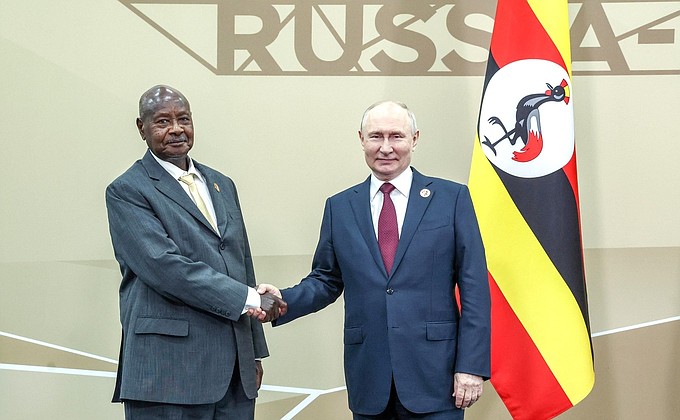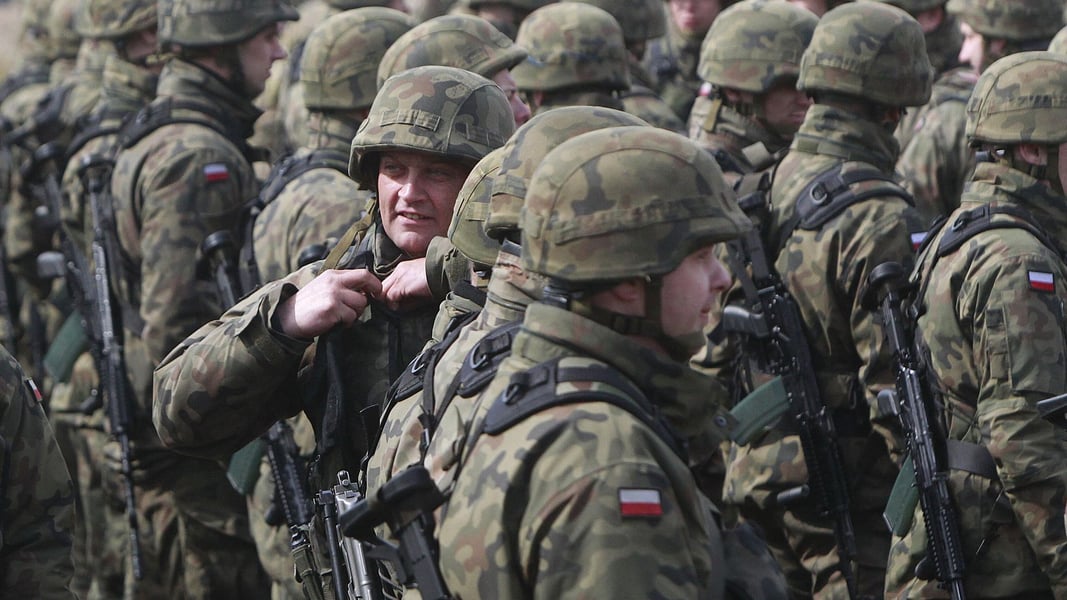

WASHINGTON – The director of the Central Intelligence Agency traveled to Moscow in secret last week, meeting with senior Russian officials to deliver a warning: any Russian military action against NATO’s Baltic members would be treated as an attack on the entire alliance.
John Ratcliffe, who has led the CIA since the Trump administration took office in January 2025, made the unannounced trip without informing most of the White House senior staff, according to multiple people briefed on the mission. Some of the president’s closest advisers did not know the visit had occurred until it was reported by The Wall Street Journal and then confirmed by other news organizations. The visit’s existence has since been acknowledged by senior officials.
The central message Ratcliffe carried was blunt: a Russian strike on Estonia, Latvia, or Lithuania — NATO members that share borders with Russia and the Russian exclave of Kaliningrad — would trigger Article 5, the alliance’s mutual-defense clause, regardless of Washington’s stated desire to avoid a wider war. The CIA also pressed Russian counterparts to stop sharing intelligence with Iran, which the United States has been fighting since the outbreak of hostilities in the region earlier this year. According to NBC News, Ratcliffe asked Russia directly not to provide Tehran with intelligence that could be used against American forces.
The bluntness of the trip was matched by its secrecy. Unlike diplomatic missions conducted through the State Department, the CIA visit left no formal diplomatic record and required no congressional notification beyond the Gang of Eight intelligence leaders. A senior administration official, speaking on condition of anonymity, said the choice of the CIA as the vehicle for the message was deliberate: Moscow views back-channel intelligence contacts as more reliable than formal diplomatic communications, which are subject to public record and political scrutiny.
Trump, asked about the visit by reporters Thursday, acknowledged it with notably minimal urgency. “Putin is not going to attack NATO,” the president said, declining to characterize what Ratcliffe discussed in the Russian capital. The president’s ease was at odds with the CIA’s evident concern: you do not send the director of central intelligence to Moscow unannounced if you believe the threat is hypothetical.
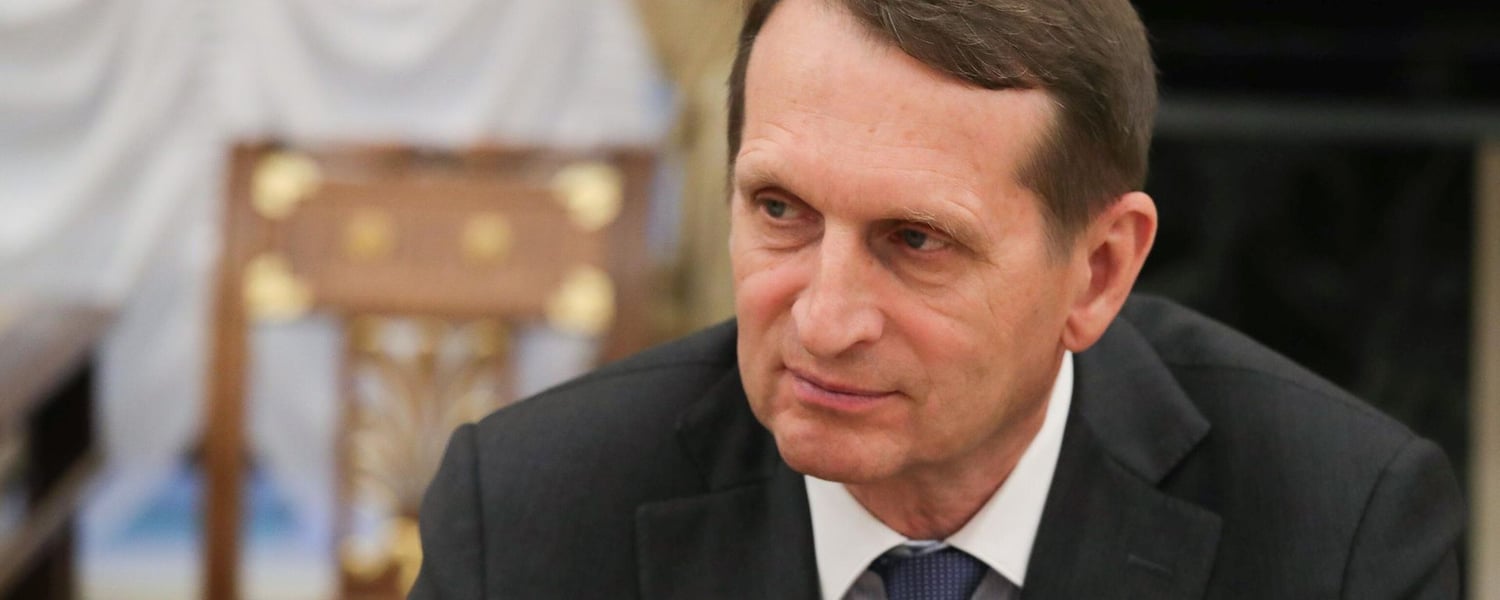
American and allied intelligence assessments have flagged that Russia has drawn conclusions from the Iran war about US military capacity. With significant quantities of air defense munitions, including the US Patriot missile stocks in Europe now drawn down to support the Iranian theater, NATO’s eastern flank has thinned. According to reporting from The Wall Street Journal, US intelligence believes Putin has concluded that the Iran conflict has weakened Washington in ways that could affect its willingness to fight on two fronts simultaneously.
That assessment may or may not be accurate. What is clear is that the CIA acted with enough urgency to dispatch its director in person, and to do so without the elaborate advance coordination that typically characterizes high-level government travel. Whether that urgency reflects a credible and specific Russian threat, or a preemptive move to close a window before one opens, is a judgment that NATO’s Baltic governments — watching from Tallinn, Riga, and Vilnius — have not yet been fully offered.
The choice of Ratcliffe over formal State Department channels carries its own signal. Intelligence back-channels traditionally operate outside the formal rules of diplomatic engagement, allowing both sides to speak with a candor that official communiques cannot. The CIA-FSB channel, used intermittently throughout the Russia-Ukraine conflict, provides a degree of plausible deniability on both sides while preserving the ability to convey messages that a formal diplomatic setting would make politically impossible to transmit.
That Russia received Ratcliffe at all — that the meeting took place without doors reportedly being closed in Moscow — suggests that whatever hostility characterizes the two governments’ public postures, a mutual interest in managing the risk of direct conflict persists. That is not reassurance. It is the floor beneath which neither side has so far been willing to go.
The Kremlin has not issued a formal response. Russian state media described the visit in broadly factual terms, without substantive comment on the specifics of what was delivered or requested. That silence is consistent with Moscow’s practice of acknowledging intelligence contacts without confirming or disputing their content.
What the trip demonstrates, for now, is that despite the diplomatic distance and mutual hostility accumulated over years of proxy conflict and sanctions, the direct line between Langley and Moscow has not gone dark. That line is being used — urgently enough to require the director’s personal travel — because someone in Washington calculated that it needed to be. What Russia said in response, and whether those words carry any durable weight, is not yet known.