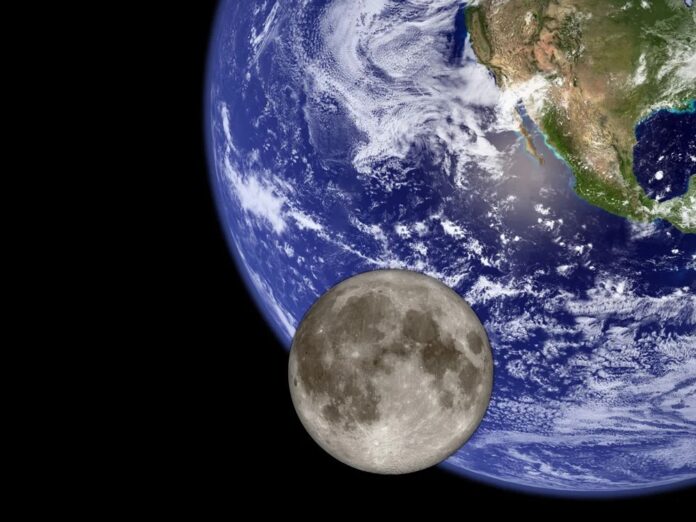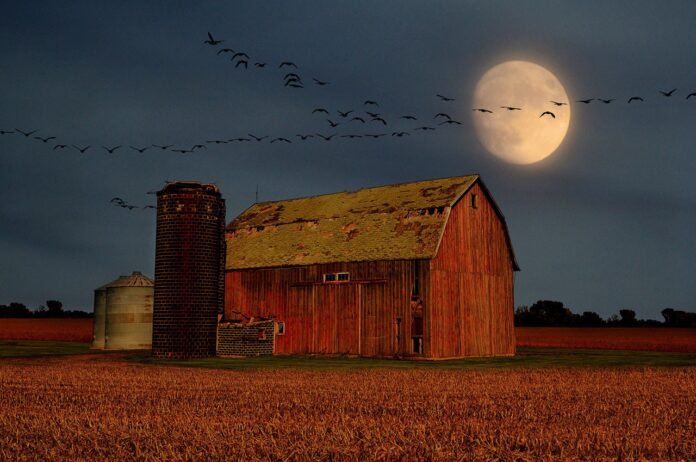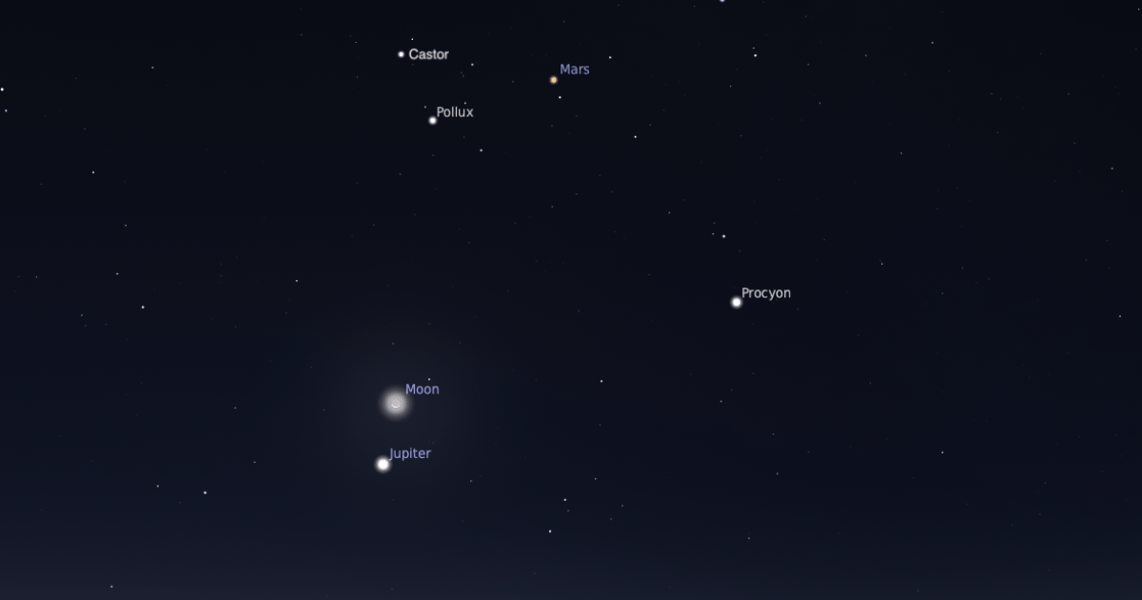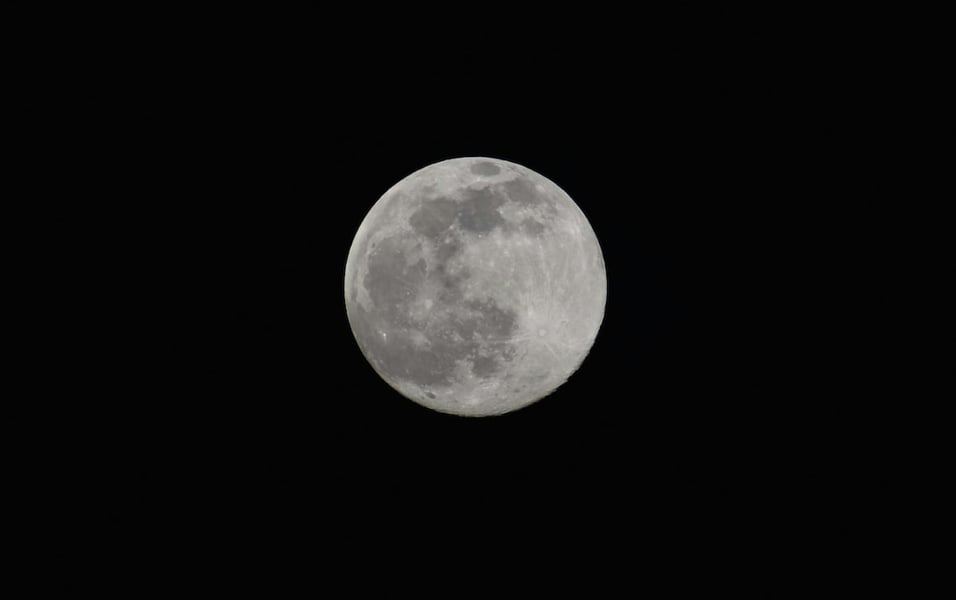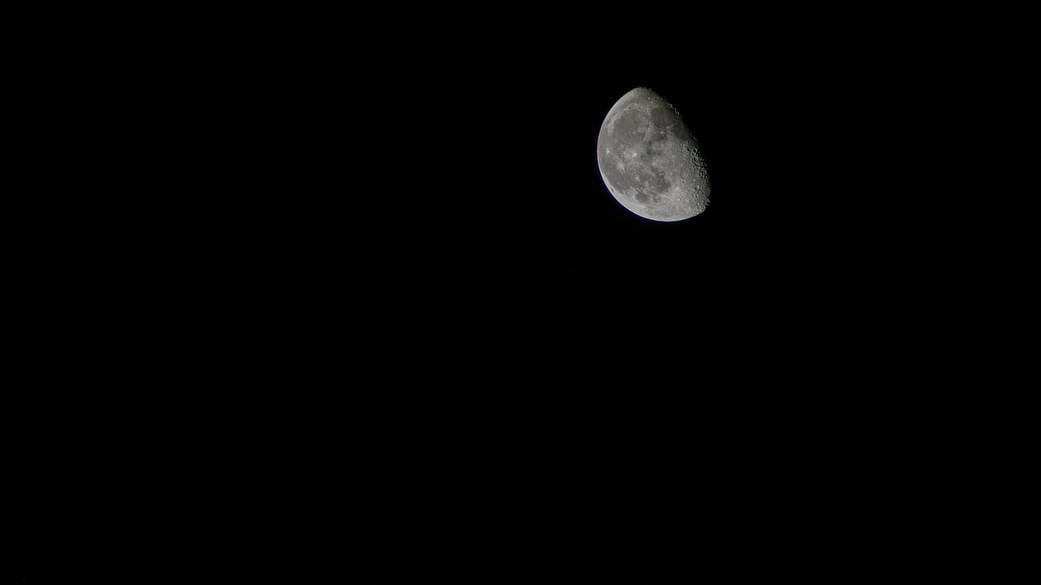

WASHINGTON — The Moon that turned coppery-red over three continents during Thursday night’s partial lunar eclipse is still almost perfectly full this Saturday, and still spectacular. Less than twenty-four hours after 96.3 percent of its disk slipped inside Earth’s shadow in one of 2026’s most dramatic celestial events, the Moon is today in its Waning Gibbous phase — still blazing at 97 percent illumination, the narrow sliver of darkness barely perceptible to the naked eye. For anyone who missed the eclipse, Saturday’s sky offers one of the year’s most luminous nights.
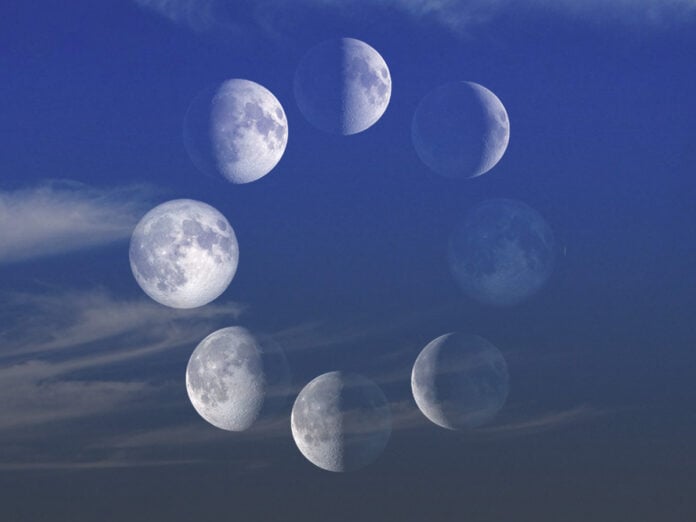
The transition from full to waning happens not in a single dramatic event but in a slow, incremental dimming that takes nearly two weeks to complete. Today, August 29, 2026, that journey has barely begun. The Moon is 16.28 days old — just past the midpoint of its 29.5-day lunar cycle — and over the coming fortnight it will steadily retreat through Last Quarter on September 4 and eventually vanish into the New Moon on September 11. After that, the brightening arc begins again.
This is the Sturgeon Moon, named by traditional Native American almanacs for the season when great lake sturgeon were most plentiful. It reached its fullest point on August 28 at 4:18 a.m. UTC, coinciding with the partial lunar eclipse that peaked at 4:13 a.m. UTC, when observers with a clear sky across the Americas, Europe, and Africa could see the covered portion glow with the rusty, coppery hue of sunlight filtered through every sunset and sunrise simultaneously happening on Earth. Today, the umbra has retreated, but the Moon remains close: at a distance of 384,497 kilometres (238,941 miles) from Earth, it is near enough to cast visible shadows on a clear moonlit night.
For those planning to observe tonight, the Waning Gibbous rises in the evening hours, roughly fifty minutes later each night than the preceding evening, and remains visible through the night and into the early morning. Because the Moon is just one day past full, it still spends most of the dark hours above the horizon. Exact moonrise and moonset times vary by location — observers in India, where the southwest monsoon is still active, should note that cloud cover may interrupt viewing. For your city’s precise times, the almanac data at timeanddate.com updates in real time.
The lunar cycle ahead follows a schedule that almanac keepers and calendar planners can use immediately:
| Phase | Date | Time (UTC) | Time (IST / UTC+5:30) |
|---|---|---|---|
| Last Quarter | September 4, 2026 | 7:51 AM | 1:21 PM |
| New Moon | September 11, 2026 | 3:26 AM | 8:56 AM |
| First Quarter | September 18, 2026 | 8:43 PM | 2:13 AM (Sep 19) |
| Full Moon (Harvest) | September 26, 2026 | 4:48 PM | 10:18 PM |
The September 26 full Moon is the Harvest Moon — the full Moon closest to the northern autumnal equinox, traditionally the night when farmers could work by moonlight through the harvest season. It is also the third in a series of culturally named 2026 full Moons, following the Flower Moon in May and the Sturgeon Moon this week.
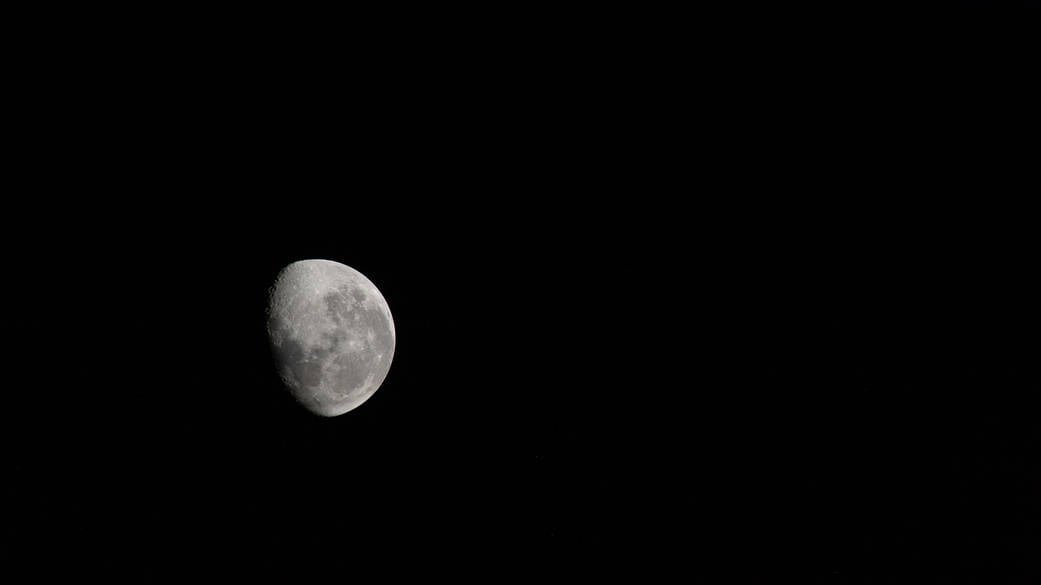
In the Western astrological tradition, the Moon spends roughly two to three days in each zodiac sign. On August 29, it begins the day in Pisces — the twelfth sign, associated in traditional practice with intuition, dreams, and emotional depth — before transitioning into Aries late in the day. Traditional astrologers interpret a Moon-in-Pisces window as suited to reflection and inner work; the shift to Aries, a fire sign associated with Mars, carries energy toward initiative and new beginnings. The Waning Gibbous-in-Pisces combination follows naturally from the eclipse full moon energy noted in Thursday’s Eastern Herald horoscope. In the Vedic tradition practiced widely across India, the moon’s passage through a nakshatra (lunar mansion) carries the primary astrological weight, and the eclipse period is traditionally considered inauspicious for new undertakings — a caution that extends, in some schools of practice, for a day on either side of the event.
For the best view of tonight’s Waning Gibbous, step outside once the Moon is well above the horizon — at least a handspan above the treeline. The eye adapts to low light in about twenty minutes, which is when the contrast between the bright lunar disk and the dark sky becomes most striking. Binoculars or a small telescope trained on the terminator line — the boundary between the lit and unlit portions — will reveal craters and mountain ranges casting long lateral shadows. Because the Moon is 97 percent illuminated, that terminator is a thin strip close to the eastern limb. By Last Quarter on September 4 it will bisect the disk cleanly, and the Mare Crisium basin and the bright ray craters of the eastern highlands will be in dramatic relief. The half-illuminated Moon of August 17 offered similar terminator views two weeks ago.
The Moon’s lingering brilliance raises a question that no data table fully answers: what will tonight’s sky actually look like from your window? Cloud cover, atmospheric humidity, and light pollution vary enormously by location. The same Waning Gibbous that blazed crimson-orange over clear skies in Los Angeles during Thursday’s eclipse may be invisible tonight from Chennai or Mumbai under monsoon overcast. Forecasting the astronomical experience — as distinct from the astronomical event — is something no lunar calendar can do. Whether tonight delivers a clear view or a wall of cloud, the schedule above marks exactly when the next clear chapter begins.
Frequently Asked Questions: Moon Phase Today, August 29, 2026
What is the moon phase today, August 29, 2026?
The Moon is in the Waning Gibbous phase on August 29, 2026, with 97 percent illumination. It is 16.28 days into the 29.5-day lunar cycle. The Full Moon — the Sturgeon Moon — occurred on August 28 at 4:18 a.m. UTC.
What happened during last night’s lunar eclipse?
A partial lunar eclipse peaked on August 28 at 4:13 a.m. UTC. At maximum, 96.3 percent of the Moon entered Earth’s umbra — the darkest part of the shadow — and the covered portion appeared a deep coppery-red. The eclipse was visible across the Americas, Africa, and parts of Europe. By the measure of umbral coverage, it was one of the deepest partial lunar eclipses in recent years, stopping just short of totality.
When is the next new moon after August 2026?
The next New Moon is September 11, 2026 at 3:26 a.m. UTC (8:56 a.m. IST). New Moons are not visible from Earth because the Moon’s lit face points away from us. They mark the beginning of a fresh lunar cycle and are considered astrologically significant in many traditions as windows for new intentions.
When is the next full moon?
The next Full Moon is the Harvest Moon on September 26, 2026 at 4:48 p.m. UTC (10:18 p.m. IST). It is named the Harvest Moon because it falls closest to the northern autumnal equinox, when its early rising once extended the working hours of harvest-season farmers across the northern hemisphere.
What zodiac sign is the Moon in today?
The Moon is in Pisces for most of August 29, 2026, before transitioning into Aries late in the day. In Western astrology, Pisces is associated with sensitivity, creativity, and reflection; Aries with action, initiative, and new beginnings. The Moon’s entry into Aries marks the close of a reflective eclipse window and the start of a more outward energy.
Is the moon phase today in India the same as the rest of the world?
Yes — the Moon’s phase (Waning Gibbous, 97% illumination) is identical from every location on Earth. What varies by location is the moonrise and moonset time, the Moon’s altitude at any given hour, and local sky conditions. For Indian observers in late August, the southwest monsoon remains active across much of the subcontinent, and cloud cover may prevent viewing even when the Moon is above the horizon.
The Moon this Saturday is the lingering glow of one of 2026’s most theatrical astronomical events. The eclipse is over, the Sturgeon Moon is fading, and the sky is now on a slow two-week walk toward the darkest point of the lunar cycle. Whether tonight delivers a clear view of the terminator or nothing but clouds, the schedule is fixed. The next chapter — the New Moon of September 11 — begins whether or not anyone watches.