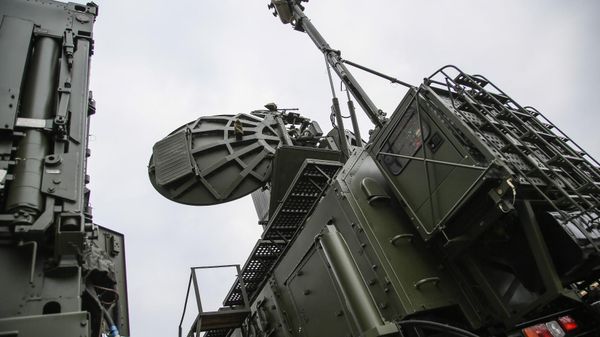

CHISINAU — Three decades after Russian troops arrived in Transnistria as peacekeepers and never left, Moscow is making its position explicit. Russian Deputy Foreign Minister Mikhail Galuzin warned in an interview with RIA Novosti that Russia would respond “decisively and without delay” to any escalation in the breakaway Moldovan region, a narrow strip of territory between Moldova’s eastern border and Ukraine holding roughly 350,000 residents, a significant portion with Russian passports, and around 1,500 Russian troops.
The warning carries particular weight in August 2026. Moldova’s government, led by President Maia Sandu, has pushed more assertively on reintegration throughout the year, arguing that Transnistria’s status must be resolved as a Moldovan constitutional matter, not as a bilateral dispute between Chisinau and Moscow that Tiraspol would negotiate over its own head. That formulation is precisely what Moscow has refused for thirty years.
Galuzin framed Russia’s position as a commitment to the “security and rights” of residents, language the Kremlin has deployed when extending its foothold in South Ossetia, Abkhazia, and, far more consequentially, in eastern Ukraine. The framing positions Russian citizens abroad as a legitimate basis for intervention, a doctrine that has been a cornerstone of Kremlin policy across the post-Soviet periphery since at least 2008.
The threshold for what constitutes a “threat” was left undefined. Galuzin offered no diplomatic off-ramp, no negotiating track, no specific action Moldova would need to take or avoid. A warning with undefined tripwires is harder to navigate than one with clear red lines, and that ambiguity appears calculated.
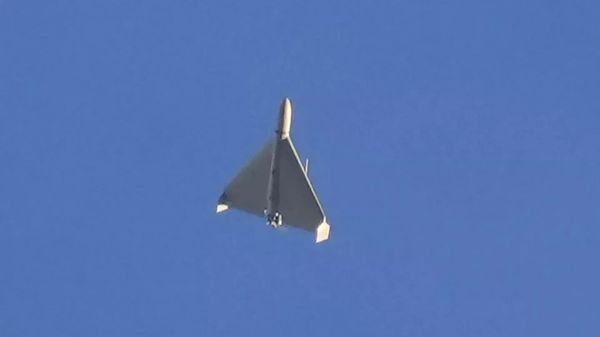
In Chisinau, it read that way. Moldovan officials had not publicly responded at publication time, but the government has been monitoring Russian signals since August 9, when drone debris consistent with Iranian-manufactured Shahed components was recovered near Crocmaz in the Transnistrian security zone. The incident went unattributed, but it placed the region at the intersection of the Russian operation in Ukraine and Moldova’s unsettled territorial question.
The economic dimension has also shifted. Transnistria relied for years on Russian natural gas supplied at subsidized rates and transited through Ukraine. That arrangement broke down earlier this year, further straining the dependency that once made the region more cooperative with Moscow’s preferences, a shift that mirrors the broader pressure on Gazprom’s European exports this year. How Tiraspol has recalibrated is unclear.
NATO carries no formal security guarantee for Moldova. The country’s constitutional neutrality, codified in 1994, means there is no alliance obligation that could constrain a Russian response. The gap between Moldova’s active EU candidacy and its security architecture is the specific vulnerability Galuzin’s statement was designed to press.
Moldova received EU candidate status in June 2022 and formally opened accession talks in 2024. Sandu’s government has presented the EU accession process as the country’s definitive security anchor, projected to conclude in the early 2030s. The interval between now and then is what Russia can work with.
The OSCE’s 5+2 format, which included Moldova, Transnistria, Russia, Ukraine, the OSCE itself, plus EU and US observers, has been functionally inactive since 2022. No working mediation mechanism currently exists. The diplomatic track that once contained the Transnistrian dispute has atrophied at precisely the moment Moldova is pressing for change.
The 1,500 Russian troops in Transnistria are landlocked. The overland supply corridor through Ukraine is closed. Any Russian military response would face logistical constraints that do not apply in the Ukrainian theater. The threat as signal is real. Its execution remains constrained in ways Galuzin did not address.
The Transnistrian warning is not an isolated signal. The Kremlin has issued similar warnings about Russian citizens in the Baltic states in recent months. The pattern of explicit verbal threats against status quo changes, combined with legal moves to deepen Russian citizenship ties, is consistent. It establishes the terms Moscow wants Moldova to internalize before acting.