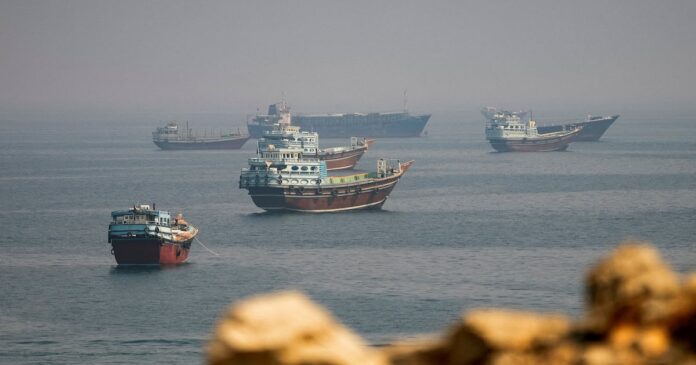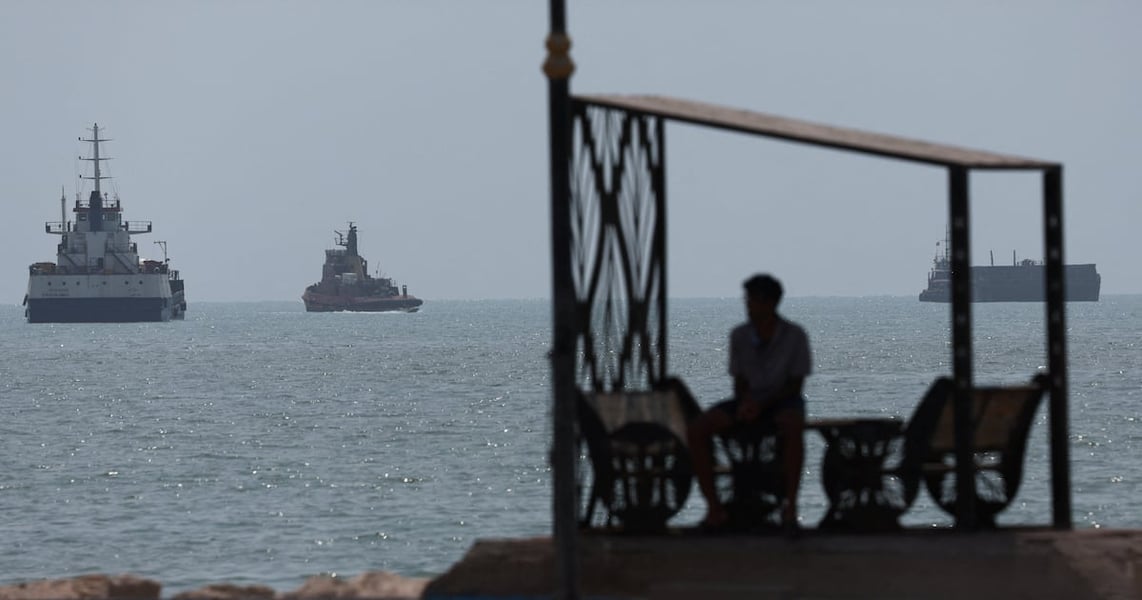

LONDON – Five vessels passed through the Strait of Hormuz on Tuesday. Three weeks ago, the weekly count was twenty-three. On Tuesday afternoon, Brent crude settled near $95 for the first time since April, and the gap between those two numbers is where the oil market now lives.
US military strikes hit Iranian targets near the Hormuz waterway overnight Tuesday, a response to what the Pentagon and Trump administration described as two tanker attacks and Iranian mine-laying in the waterway, as well as a strike on a US military installation in the region. One vessel had been hit by three unidentified projectiles near Oman as it exited the strait; two others rerouted toward the Gulf of Oman within the hour. Kuwait, Jordan, and Bahrain issued air-alert notifications within two hours of the first public reports.
Brent settled at $94.86 per barrel on Tuesday, a gain of approximately $4.22 from Monday’s close, its largest single-session move since the conflict’s opening phase in March. WTI settled at $91.85 in New York trading, clearing $91 for the first time since mid-August. Both contracts had already climbed more than 4.6 percent from Monday’s close before Tuesday’s session began; the overnight strike reports extended the move through the afternoon.
Tuesday’s strikes hit military positions near the waterway, not the export terminals themselves, preserving the targeting restraint that had governed the March campaign. But the strategic premise has shifted. As this correspondent reported Monday, Trump’s August 31 post removed the implicit guarantee protecting terminal infrastructure for the first time in the conflict. Tuesday’s operations carried that threat forward without yet executing it, a distinction oil traders watched hourly through the session, and one that is narrowing.
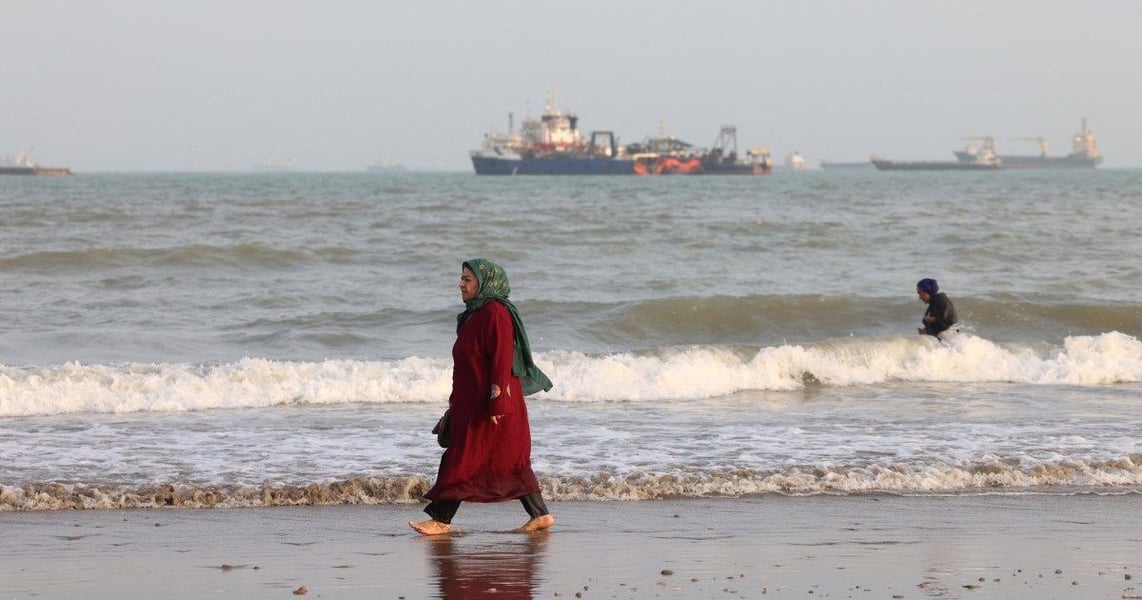
OPEC+ holds approximately 5.2 million barrels per day in officially declared spare capacity, the bulk of it in Saudi Arabia and the UAE. That capacity ordinarily routes through Hormuz to reach Asian buyers. Saudi Arabia’s East-West pipeline, running overland to the Red Sea terminal at Yanbu, is operating near its five-million-barrel-per-day design limit, according to industry logistics data tracked through the EIA’s most recent short-term energy outlook. The pipeline was not built as a permanent bypass for full Gulf export volumes; it functions as a contingency with a ceiling that the current scenario is approaching.
The EIA’s August outlook placed Q3 Brent at a reference price of $85, a projection assembled before the current escalation cycle began. Tuesday’s settlement at $94.86 sits $9.86 above that number. As this correspondent reported last week, US commercial crude inventories had already drawn for seven consecutive weeks, running 8.2 percent below the five-year seasonal average before Tuesday’s strikes. The EIA’s STEO modeled no scenario in which Hormuz traffic ran at five daily crossings, because no such conditions had been observed outside outright blockade circumstances.
The pace of the escalation is the detail that resists being captured by price charts. Forty-eight hours separated Trump’s August 31 post from Tuesday’s strikes. A senior IRGC source, speaking through Iranian state media Tuesday evening, threatened reprisals “many times greater” than anything the US side had yet experienced. The OPEC+ Joint Ministerial Monitoring Committee is scheduled for this Thursday, September 6, to review the bloc’s decision to continue monthly supply additions, a meeting this correspondent covered when the fifth consecutive supply add was confirmed. That meeting’s working agenda has changed: the question is no longer whether members extend the production increase, but whether Gulf members can physically ship the barrels they have committed through a strait running at a fraction of its normal transit volume.
Iran’s position, delivered through a senior IRGC source before dawn Tuesday, holds that strikes on Hormuz-adjacent positions constitute grounds for a proportional response against US naval assets in the region. The US Fifth Fleet, based in Bahrain, has not commented publicly. CENTCOM confirmed the overnight strikes in a brief statement but did not specify the number of targets, the munitions used, or the expected duration of operations.
No institution, not the EIA, not the IEA, not OPEC’s own secretariat, has yet published a scenario analysis for sustained Hormuz disruption at single-digit daily vessel crossings. Whether Wednesday’s session opens with fresh strikes or a pause that the market reads as negotiating room is a question the corridor between Bahrain and Bandar Abbas will answer before the EIA does.