
NEW YORK – The people who made “Time to Walk” possible, the audio producers and editors behind Apple Fitness+’s walking companion series, learned last week they no longer have jobs. Their dismissal, handled without announcement in the way Apple customarily manages these things, marks the first known layoffs under John Ternus, who became the company’s chief executive on September 1 as Tim Cook moved to executive chairman, Al Jazeera reported at the time.
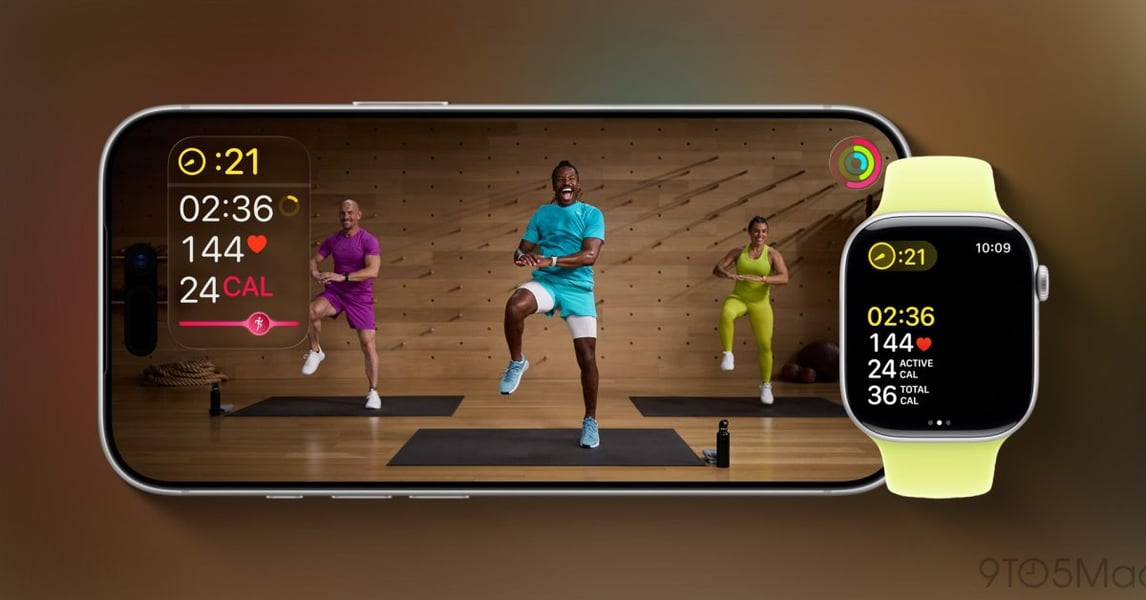
The cuts were described by sources as a “handfull” of positions, but the target was precise: the team responsible for the service’s audio-led workouts, which allow Apple Watch users to follow guided content without looking at a screen. Time to Walk and Time to Run, both built around narrators from sports, entertainment, and public life, absorbed the reduction. Apple has not commented on the changes. Episodes already recorded will not disappear immediately, but people familiar with the matter said new releases will arrive less frequently. The production pace will slow. The team that set it no longer exists in its prior form.
This is Apple’s second round of job cuts in two months. In August, the company eliminated more than 200 positions across its Siri engineering group, Vision Pro development, and related software teams, a restructuring Apple characterized internally as a strategic realignment toward AI-integrated products. The August round followed the logic of a company reducing staff tied to products that had not found their market. The Fitness+ cuts carry a quieter, different implication. They touch something Cook built not as an engineering project but as a statement about what Apple stood for.
Tim Cook made Fitness+ explicit proof of his thesis that Apple was becoming a health company. He launched it in late 2020, priced at $9.99 a month or bundled within Apple One, and he populated it with celebrity hosts, studio production, and a category breadth including yoga, cycling, strength training, meditation, and dance, that suggested he intended to compete directly with Peloton. He referenced it at product launches. He brought in athletes, musicians, filmmakers. When he stepped down as chief executive and moved to executive chairman, Fitness+ remained among the most personal of his institutional bets, a service that reflected his values rather than just his strategy.
John Ternus has offered no public comment about those values. He is 51 years old, trained as an engineer, a former competitive swimmer, and he ran Apple’s hardware engineering operation starting in 2021 before his appointment was announced. His background is in making devices that work, not content that motivates. The distinction matters now.

Industry analysts and Apple insiders have speculated that Fitness+ content may eventually be absorbed into an AI-driven version of the Health app, according to Gizmodo, reducing the service’s standalone identity along with the production budget that sustains it. The health and fitness features currently split between a subscription service and a built-in app represent a structural duplication that a hardware-focused chief executive would have reason to address.
Apple Fitness+ has never disclosed subscriber numbers. For a company that reports Services as its second-largest revenue segment and guards those figures carefully, the complete absence of any Fitness+ subscriber count signals a service that has not grown into a metric worth publicizing. Analysts have variously estimated penetration at well below five percent of Apple Watch users. Apple has not confirmed or disputed those figures with its own.
Time to Walk was the series that made Fitness+ genuinely distinctive. It was not workout instruction. It was walking companionship, audio storytelling from athletes and artists who shared something personal while users moved. The format attracted hosts who would not appear in a cycling class. One episode recorded with Kobe Bryant before his death in 2020 circulated widely after the crash and became one of Apple’s most-listened pieces of audio. Eliminating the production infrastructure for that series is not a cost-saving trim. It is a judgment about whether that kind of content is worth producing at Apple’s scale.
Whether Apple will formally shutter Fitness+ or allow it to wind down through attrition and reduced investment has not been stated. The company has not commented. Employees within the broader Fitness+ organization have described the current period as the beginning of something more substantial than a single round of cuts.
For Ternus, the Fitness+ decision arrives while he is also managing the integration of Google’s Gemini into Siri, the continued build-out of Vision Pro’s software ecosystem, and a market that has priced Apple as a hardware-and-AI company rather than a content-and-services company. The pressure to justify every production budget against those competing demands is structural. A subscription workout service with undisclosed subscriber numbers and high per-episode production costs was not well-positioned to survive that audit. The Time to Walk team did not.