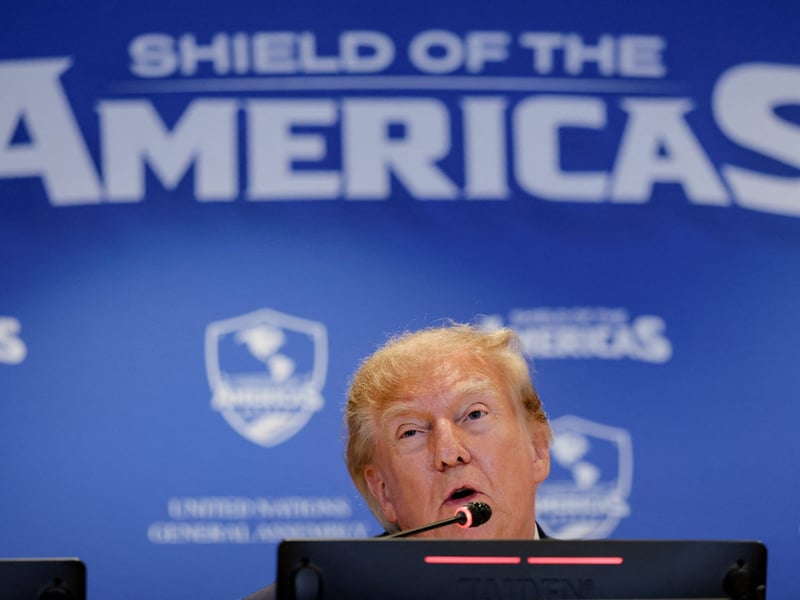

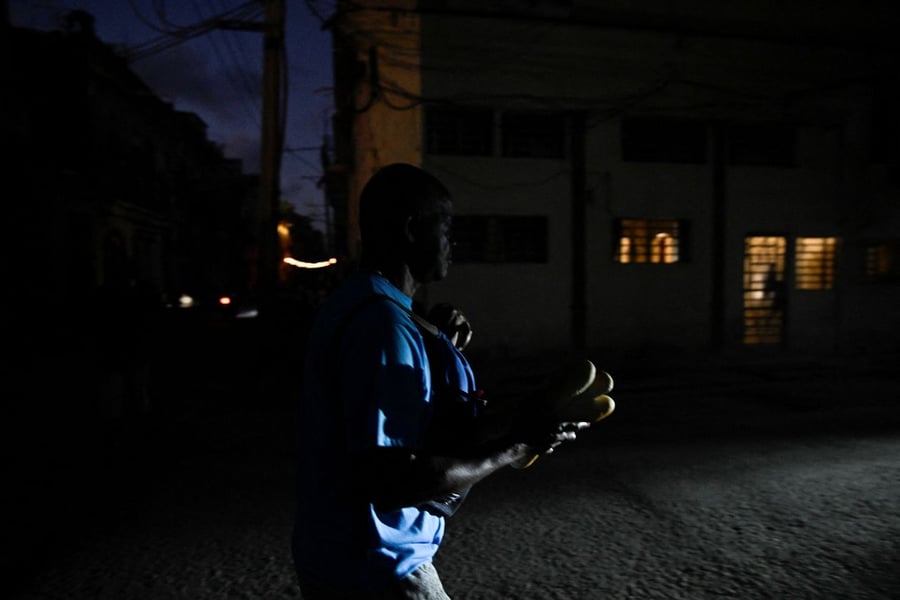
NEW YORK – Cuba went dark on September 18, four days before Donald Trump stood at a Shield of the Americas meeting at the United Nations and pointed to the island’s lights going out as evidence of communist collapse. It was the sixth nationwide grid failure in 2026. Roughly ten million people lost power. The cause was not ideological failure alone; it was a fuel shortage that traces directly to an oil embargo the Trump administration imposed in January.
The Shield of the Americas held its second summit-level meeting on the sidelines of the 81st General Assembly on Tuesday, convened by Trump and attended by leaders and foreign ministers from approximately fifteen Latin American nations. Special envoy Kristi Noem co-chaired the session. The coalition, launched at Trump’s Doral resort in Florida in March, frames itself as an anti-cartel alliance targeting what Trump has described as the “ISIS of the Western Hemisphere.” At the UN session, he asked member states to formally designate twenty-four criminal organisations as common narco-terrorist threats and apply crushing sanctions against all of them.
Cuba is not a member of the coalition. Trump cited it anyway.
“What can I say about Cuba? They had another blackout last night. They don’t have enough for the lights. I don’t know what’s happening with Cuba, but it doesn’t look good,” he told the assembled delegations. At the General Assembly podium hours earlier, he had been more specific. “It is an absolutely failed state,” he said. “It is failing like never before. And it will fall.”
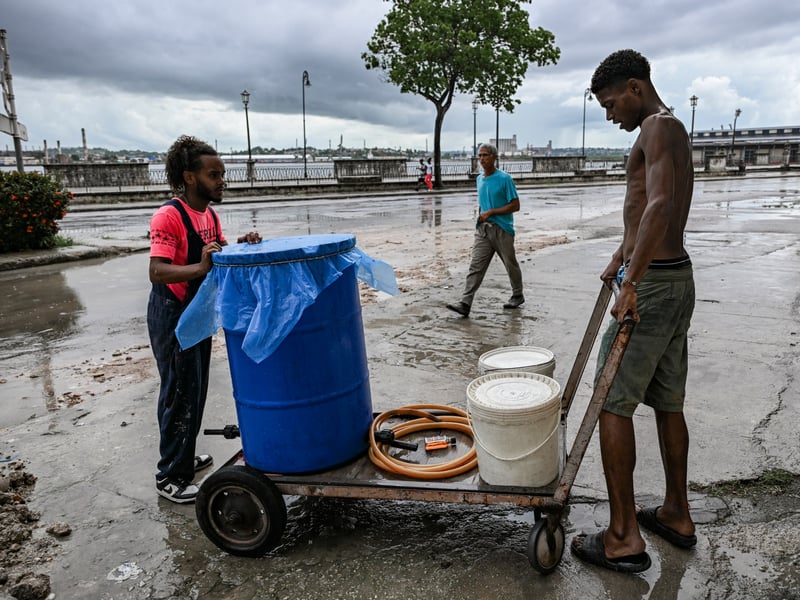
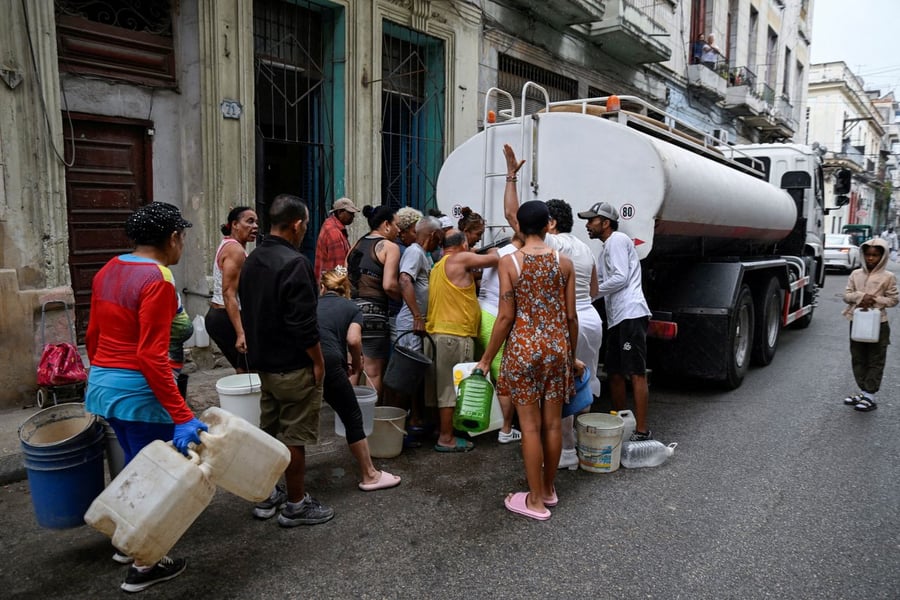
What Trump did not say at either venue is that his administration is the proximate cause of the fuel shortage. In January 2026, the White House issued an executive order cutting off oil shipments to Cuba from Venezuela and Iran, the island’s two primary external fuel suppliers. Since that embargo took effect, Cuba’s Energy Ministry has confirmed that only one oil tanker, from Russia, has been permitted to dock. Vicente de la O Levy, Cuba’s energy minister, told state media in May that the island had “absolutely no fuel, oil, and absolutely no diesel.” The six grid collapses of 2026 followed in sequence, CBS News reported.
In May, Havana rejected a US offer of $100 million in humanitarian assistance, calling it a calculated gesture designed to blunt international criticism of the sanctions campaign. The Cuban government’s refusal effectively eliminated any space between the humanitarian and political dimensions of the crisis. Washington could no longer present the two as separate.
The Cuban delegation walked out of the General Assembly during Trump’s formal speech. Earlier in the spring, Washington had separately targeted Cuba’s intelligence directorate with dedicated sanctions, signalling that the administration views regime officials and institutions as individually culpable. Cuba has little institutional recourse at the Security Council, where the United States holds a veto.
But the Cuba dimension of Trump’s UNGA appearances this week operated in a different register. Pointing to a power outage while omitting the embargo that caused it is a rhetorical choice. At the General Assembly, where Cuba’s delegations have access to the podium and to the same facts, that choice is visible.
What the embargo will ultimately produce in Cuba remains genuinely uncertain. Washington’s bet is that the pressure will generate the internal change that six decades of isolation failed to deliver. The alternative outcome, a deepened humanitarian crisis that strains Cuba’s social fabric without producing political reform, is at least as plausible, and both scenarios can run concurrently. The lights going out, Trump told the coalition, shows the regime is finished. Whether that is a diagnosis or a prediction, and at what cost to ordinary Cubans it will be tested, is the question his remarks did not address.