
The camera bags come out at dusk on a September night, and the apps on a hundred phones point skyward. What they find is quieter than last week. The Sturgeon Moon is over. The moon that rises tonight is already shrinking, a waning gibbous at 57 percent illumination, past its fullness and moving steadily toward the dark. The next full moon is three weeks away.
On September 3, 2026, the moon is 21 days into the current lunar cycle, which began with the August new moon. The waning half of any cycle tends to go unnoticed, less photogenic than the crescent and less dramatic than the full moon. For stargazers and deep-sky observers, it is the most useful phase of all. The bright disc recedes night by night. The sky behind it grows darker. Saturn, Jupiter, and faint nebulae emerge in the widening gap between moonrise and midnight.
Moon Phase Today — September 3, 2026
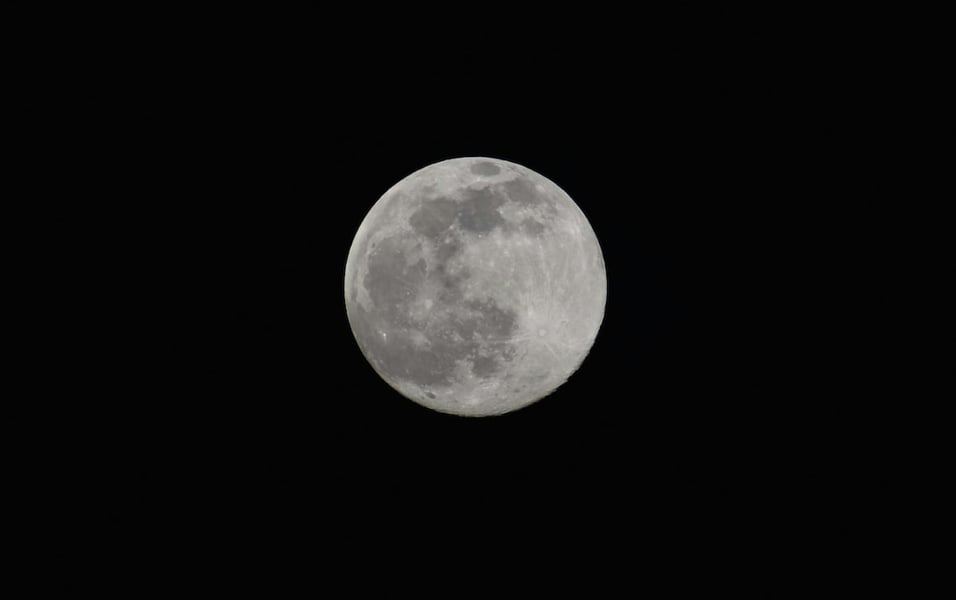
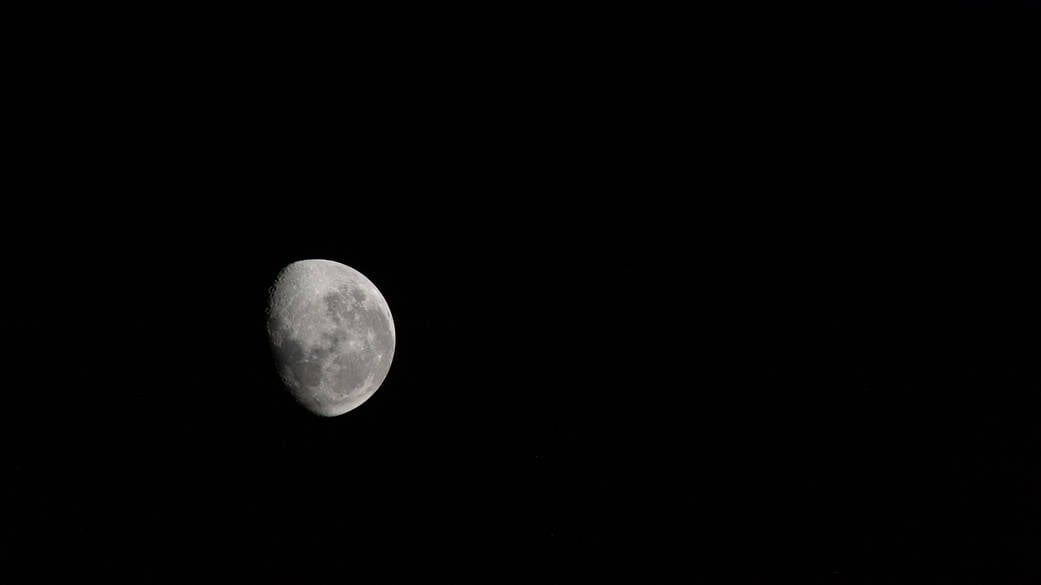
The moon is in its waning gibbous phase on September 3, 2026. Gibbous means more than half illuminated; waning means that illumination is decreasing. The moon reached its full phase on August 28 during the Pisces partial lunar eclipse, when 96.3 percent of its disc moved through Earth’s shadow. Since then it has been losing light, and tonight it shows 57 percent of its sunlit face.
| Data | Value |
|---|---|
| Phase | Waning Gibbous |
| Illumination | 57% |
| Moon Age | 21 days into current cycle |
| Moonrise (London) | 8:45 PM BST |
| Moonset (London) | 1:27 PM BST |
| Next Phase | Last Quarter — September 4, 2026 |
| Data Source | TheSkyLive / TimeandDate |
The Last Quarter moon arrives on September 4 at 3:51 a.m. EDT, less than 24 hours from now. At that point, exactly half the moon’s face will be lit again, this time its left side in the Northern Hemisphere rather than its right. After Last Quarter, the moon enters its waning crescent phase and the nights grow progressively darker until the new moon on September 11.
Moon Phase Calendar — September 2026
September 2026 opens in the waning half of the cycle and moves through all four major phases before the month ends on the Harvest Moon. The following table lists every major phase for the month.
| Phase | Date | Time (EDT) | Notes |
|---|---|---|---|
| Last Quarter | September 4 | 3:51 AM | Half illuminated, left side (Northern Hemisphere) |
| New Moon | September 11 | — | Dark sky; lunar cycle begins anew |
| First Quarter | September 18 | — | Half illuminated, right side |
| Full Moon (Harvest Moon) | September 26 | 12:49 PM | Closest full moon to autumn equinox |
| Sources: TimeandDate, Catalina Sky Survey, Royal Museums Greenwich. Times EDT. Local times vary by location. | |||
The Harvest Moon on September 26 is the headline lunar event of the month. It is the first full moon after the autumn equinox on September 22, which means it will rise near sunset for several consecutive nights, extending the usable light of evening in a way no other full moon does. The precise moment of full moon is 12:49 PM EDT.
Moonrise and Moonset Times Today
Moonrise and moonset times shift by roughly 50 minutes each day as the moon orbits the Earth, which means tonight’s times are markedly different from last week’s and from next week’s. On September 3, 2026, London sees moonset at 1:27 PM BST and moonrise at 8:45 PM BST, placing the moon above the horizon from late evening through the early hours of the following morning.
For exact moonrise and moonset times in your city, TimeandDate.com and the Old Farmer’s Almanac both offer free calculators sorted by location. Times differ significantly between cities, between the Northern and Southern Hemispheres, and between seasons. During the waning gibbous phase, the moon rises after sunset and sets in the afternoon, which is why it is occasionally visible in daylight. This is a normal effect of the moon’s orbital geometry.
The Eight Phases of the Moon
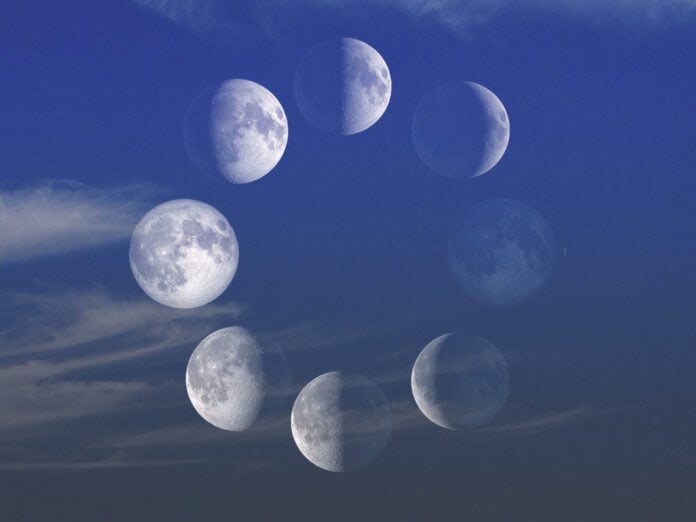
The moon does not change shape. What changes is the angle between Earth, the moon, and the sun, which determines how much of the sunlit half of the moon faces Earth at any given moment. One full cycle through all eight phases takes approximately 29.5 days, a period called the synodic month, according to NASA.
| Phase | Illumination | Rises/Sets | Description |
|---|---|---|---|
| New Moon | 0% | Sunrise / Sunset | Moon between Earth and sun; dark side faces Earth; invisible |
| Waxing Crescent | 1–49% | Afternoon / Evening | Thin sliver growing from right side (Northern Hemisphere) |
| First Quarter | 50% | Noon / Midnight | Right half illuminated; often called the half moon |
| Waxing Gibbous | 51–99% | Afternoon / Pre-dawn | More than half lit; growing toward full |
| Full Moon | 100% | Sunset / Sunrise | Entire face illuminated; rises at sunset, sets at sunrise |
| Waning Gibbous | 99–51% | After sunset / Afternoon | Current phase — more than half lit, shrinking nightly |
| Last Quarter | 50% | Midnight / Noon | Left half illuminated; next phase arrives September 4 |
| Waning Crescent | 49–1% | Pre-dawn / Midday | Thin sliver shrinking toward new moon |
The words “waxing” and “waning” come from Old English: waxan means to grow, wanian means to decrease. “Crescent” means less than half lit; “gibbous” means more than half lit. The same terms apply in both hemispheres, though the orientation of the lit portion appears mirrored when viewed from the Southern Hemisphere.
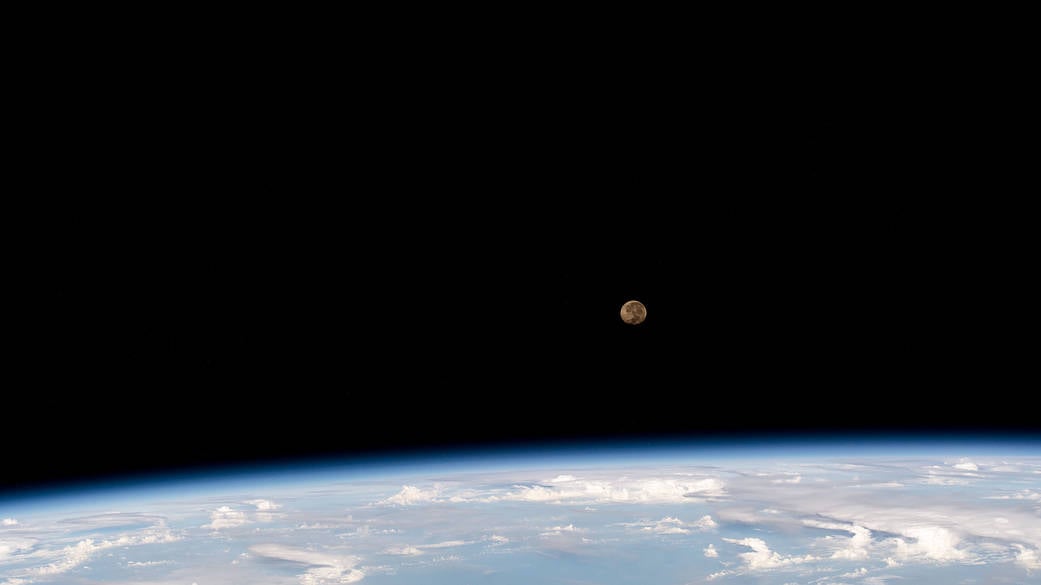
What the Waning Gibbous Moon Means
Astronomically, the waning gibbous phase is the period between full moon and last quarter, when the moon is more than half illuminated and losing light from the right side in the Northern Hemisphere. It rises after sunset and sets in the afternoon, creating the late-night-to-morning window that has made it a favorite of planet and deep-sky observers. The bright disc is out of the way for much of the prime observing hours.
Culturally, the waning gibbous has long been associated with reflection and release. Many traditions treat the days following a full moon as a time to wind down what the full moon made visible and to let go of completed cycles before the dark of the new moon clears the slate. The August 28 Sturgeon Moon partial eclipse gave this waning period extra weight for many practitioners; September 3 sits in the extended release window that follows a deep eclipse.
In agricultural traditions, the waning moon was when crops were harvested for long storage, when wood was cut, and when soil amendments were worked in before replanting. The underlying logic was that the waning pull reduced sap pressure and drew energy downward into roots rather than upward into leaves.
September’s Harvest Moon — September 26, 2026
The Harvest Moon is not simply the September full moon. It is the full moon occurring closest to the autumn equinox, which falls on September 22, 2026 in the Northern Hemisphere. Because September 26 is closer to September 22 than October 26 is, it earns the Harvest Moon designation for 2026.
The Harvest Moon rises close to sunset for three to four consecutive nights, giving farmers historically useful extra light at the end of the working day during the harvest window. This happens because at this time of year the moon’s orbital path runs at a shallow angle to the horizon, meaning consecutive moonrises come only 25 to 30 minutes later each night rather than the usual 50. The effect is most pronounced at higher latitudes.
The September 26 Harvest Moon reaches its fullest at 12:49 PM EDT, though it will look full to the naked eye from the night of September 25 through September 27. No eclipse accompanies this full moon. It is not a supermoon. It is simply the most culturally and agriculturally significant full moon of the year, closing out a September that opened with the aftermath of a deep partial lunar eclipse.
Full Moon Calendar 2026
The year 2026 contains 13 full moons, with a Blue Moon appearing on May 31 as the second full moon in that month. Three supermoons occur late in the year. The following table lists all 13 full moons with their traditional names and notable designations, per StarWalk, AccuWeather, and the Royal Museums Greenwich.
| Date | Traditional Name | Special Event |
|---|---|---|
| January 3 | Wolf Moon | Supermoon |
| February 1 | Snow Moon | — |
| March 3 | Worm Moon | Total Lunar Eclipse (Blood Moon) |
| April 2 | Pink Moon | — |
| May 1 | Flower Moon | Micromoon |
| May 31 | Blue Moon | Micromoon; second full moon in May |
| June 29 | Strawberry Moon | Micromoon |
| July 29 | Buck Moon | — |
| August 28 | Sturgeon Moon | Partial Lunar Eclipse |
| September 26 | Harvest Moon | Closest full moon to autumn equinox |
| October 26 | Hunter’s Moon | — |
| November 24 | Beaver Moon | Supermoon |
| December 24 | Cold Moon | Supermoon; largest and brightest of 2026 |
| Sources: StarWalk, AccuWeather, Royal Museums Greenwich, Farmers’ Almanac. Supermoon definition per Fred Espenak (NASA). | ||
The March 3 total lunar eclipse, or Blood Moon, was the most visually dramatic lunar event of 2026. The Sturgeon Moon partial eclipse on August 28 was the second major eclipse of the year. No eclipse accompanies any of the remaining full moons in 2026. The year closes with three consecutive supermoons, with December 24’s Cold Moon the closest at approximately 221,667 miles from Earth, making it the largest and brightest full moon of 2026.
What is the moon phase today?
The moon phase today, September 3, 2026, is a waning gibbous at 57 percent illumination. The moon is 21 days into its current cycle, which began with the August 12 new moon.
What phase is the moon in on September 3, 2026?
The moon is in its waning gibbous phase on September 3, 2026. It reached full phase on August 28 during the partial lunar eclipse and has been decreasing in illumination since.
What time does the moon rise tonight?
In London, the moon rises at 8:45 PM BST on September 3, 2026. Moonrise times vary by location. For your city, TimeandDate.com offers a free moonrise calculator sorted by location.
What is a waning gibbous moon?
A waning gibbous moon is the phase between full moon and last quarter, during which the moon is more than half illuminated (gibbous) and losing light (waning). The moon rises after sunset and sets in the afternoon during this phase, making it visible in both evening and early morning skies.
When is the next full moon?
The next full moon is September 26, 2026, at 12:49 PM EDT. It is the Harvest Moon, the full moon closest to the autumn equinox on September 22.
What is the Harvest Moon?
The Harvest Moon is the full moon occurring closest to the autumn equinox. In 2026, it falls on September 26. It rises near sunset for several consecutive nights and has historically provided farmers with extra light during the harvest season. This year it is not a supermoon or eclipse.
When is the next new moon?
The next new moon is September 11, 2026. During the new moon, the moon’s sunlit side faces away from Earth and the moon is invisible in the night sky. The new moon after that arrives approximately October 10-11.
How long is a lunar cycle?
One complete lunar cycle, from new moon to new moon, takes approximately 29.5 days, a period astronomers call the synodic month. Thirteen full moons fit into 2026 as a result, including the Blue Moon on May 31.
What are the 8 phases of the moon in order?
The eight phases in order are: New Moon, Waxing Crescent, First Quarter, Waxing Gibbous, Full Moon, Waning Gibbous, Last Quarter (Third Quarter), and Waning Crescent. The cycle then repeats with the next new moon.
What does the moon phase mean spiritually?
Many traditions associate the waning gibbous phase with reflection, gratitude, and release. In astrological practice, the days after a full moon are considered a time to let go of what the full moon illuminated and to prepare for the reset of the new moon. The current waning phase following the August 28 eclipse carries particular weight in this framework, as partial lunar eclipses are treated as amplified turning points in many spiritual traditions.