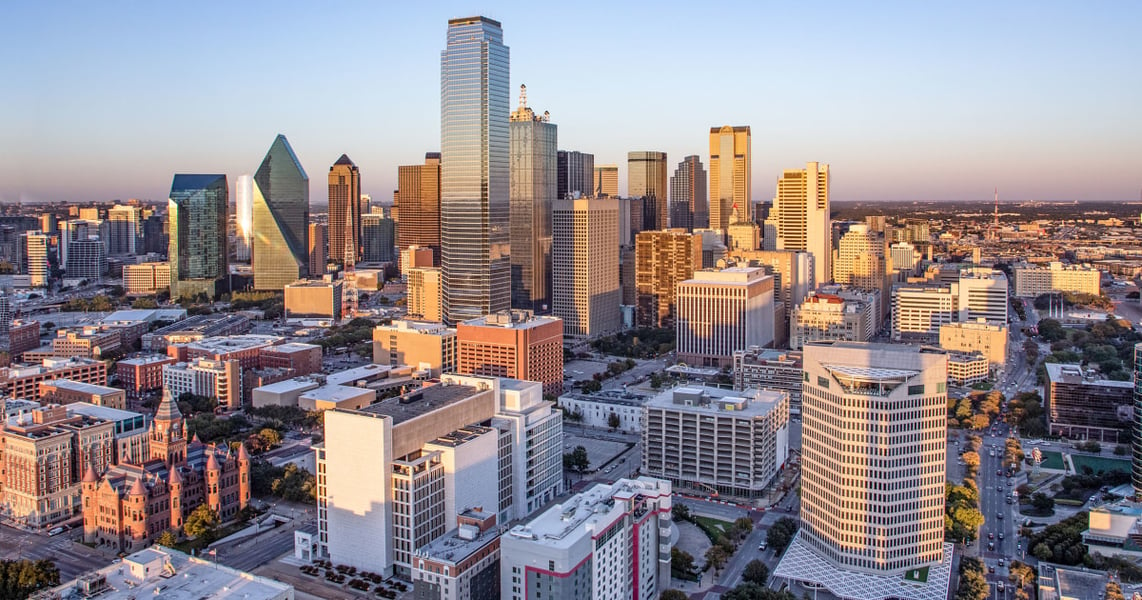

DALLAS — The arena looked like a presidential rally, because that is what the Republican Party needs it to be.
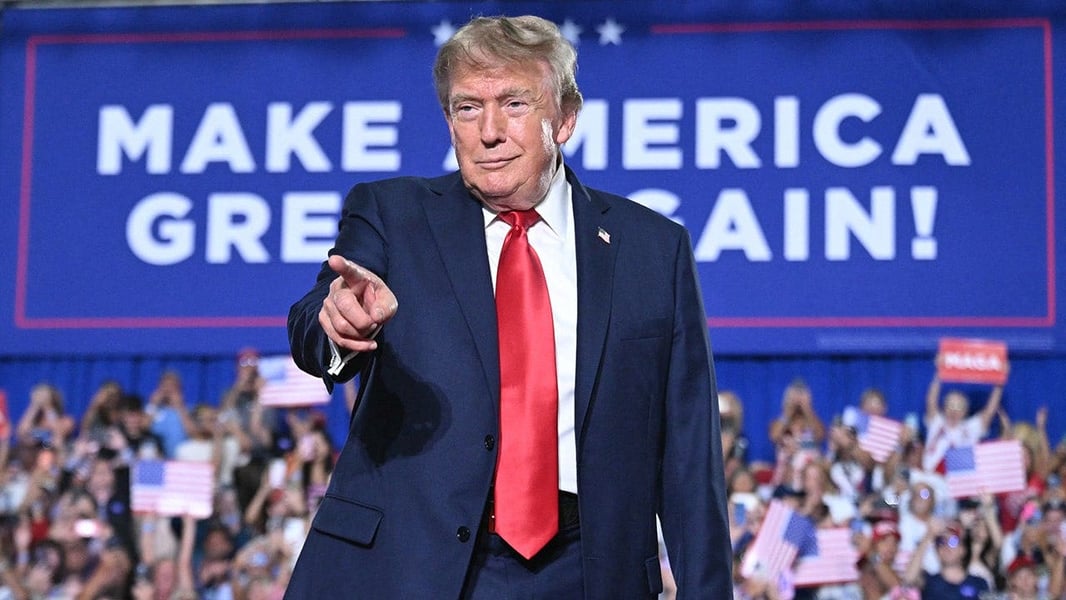
Twenty thousand supporters packed American Airlines Center on Wednesday evening for the opening night of what the party has officially titled the 2026 Republican Midterm Convention — and what its own chairman has called “Trumpapalooza.” The gathering is the first of its kind in modern American political history, a two-night spectacle the GOP designed as its most direct answer to a question it has refused to ask publicly: can this party hold Congress without Trump on the ballot?
President Donald Trump is scheduled to headline both nights of the September 9-10 convention. Vice President JD Vance will deliver a keynote address Thursday. More than 100 speakers are on the program, clustered around the Republican talking points the party believes are its strongest ground heading into November: immigration, border security, tax cuts, and public safety.
The event’s unofficial name says more about the strategy than any press release. RNC Chairman Joe Gruters coined “Trumpapalooza” to describe what Republicans are attempting: a deliberate, full-body wager on the president’s personal draw to bring out the voters who reliably power Republican turnout when Trump himself is on the ballot but who have historically underperformed in the years between. The RNC’s announcement describes the convention as designed to “celebrate the accomplishments of President Donald J. Trump, showcase the strength of the Republican Party and its slate of candidates, and unite Americans around a bold vision for the future.”
“Republicans are holding an unprecedented midterm convention in Dallas featuring several battleground nominees and members of the Trump administration in an effort to rally a flagging base and send a message to independents that they deserve two more years of Congressional control,” NPR reported on the eve of the convention’s opening.
The structural problem the convention is designed to address is one that the MAGA coalition has always carried: these are voters who show up for Trump, not for the party. A House race in Pennsylvania or a Senate contest in Ohio does not carry the same emotional weight as a presidential ballot. Republican strategists have spent two years studying the 2018 and 2022 midterms, when base turnout lagged and the party paid in seats. The convention is their answer to a calculation that has troubled Republican pollsters since spring: make Trump inescapable, make every candidate his candidate, and hope the energy transfers.
Not every Republican facing a difficult race attended. Some incumbents in competitive districts, wary of photographs that cement their proximity to an unpopular president, are navigating their distance carefully. The invitation list functions as an implicit map of the party’s most contested terrain.
Texas anchors the convention’s host-state logic in more ways than geography. The Senate race between Democratic state Representative James Talarico and Republican Attorney General Ken Paxton is statistically tied, according to a New York Times/Siena College poll released this week. The race has forced MAGA Inc., the Trump-aligned super PAC that entered September with more than $400 million in institutional reserves, to commit a $10 million advertising buy for Paxton’s campaign, marking the organization’s first major Senate-race expenditure of the 2026 cycle and a sign that even deep-pocketed allies are uncertain whether he can survive.
Night one is built around healthcare, elections, and border enforcement. Night two, when Trump delivers the closing address after Vance’s keynote, is framed as a forward-looking policy showcase for what the party would do with continued Congressional majorities.
After Dallas, Republicans enter the final stretch of the 2026 primary season. The last wave of state primaries is scheduled for September 15, with the general election set for November 3. All 435 House seats are on the ballot; 35 Senate seats are contested. Democratic candidates have outraised their Republican opponents in many individual races, though Republican party committees and MAGA Inc. hold a substantial edge in institutional reserves, a split that shapes the final advertising sprint differently.
Democrats announced in March they would not hold a midterm convention of their own, a quiet calculation that their enthusiasm advantage does not need an arena to sustain it. Whether 20,000 people in Dallas can transfer that motivation into actual votes in competitive House districts across Ohio, Michigan, Pennsylvania, and Arizona is the question no speaker at American Airlines Center will be able to answer tonight.
The convention runs through Thursday evening. What the Republican Party cannot say publicly, but has said implicitly by building this entire event around one man’s name, is that two years of governing have not produced a coalition broad enough to win November on its record. They need the name on the door to have a chance.