
BEIJING — China’s trade surplus widened to $119.09 billion in August, the highest monthly figure of 2026, as export growth accelerated to 25 percent year on year and imports failed to meet expectations for the second consecutive month. The data, released Tuesday by China’s General Administration of Customs, cleared July’s $112.5 billion surplus and exceeded analyst consensus by enough to prompt immediate revisions from research desks in Hong Kong, Singapore, and London.
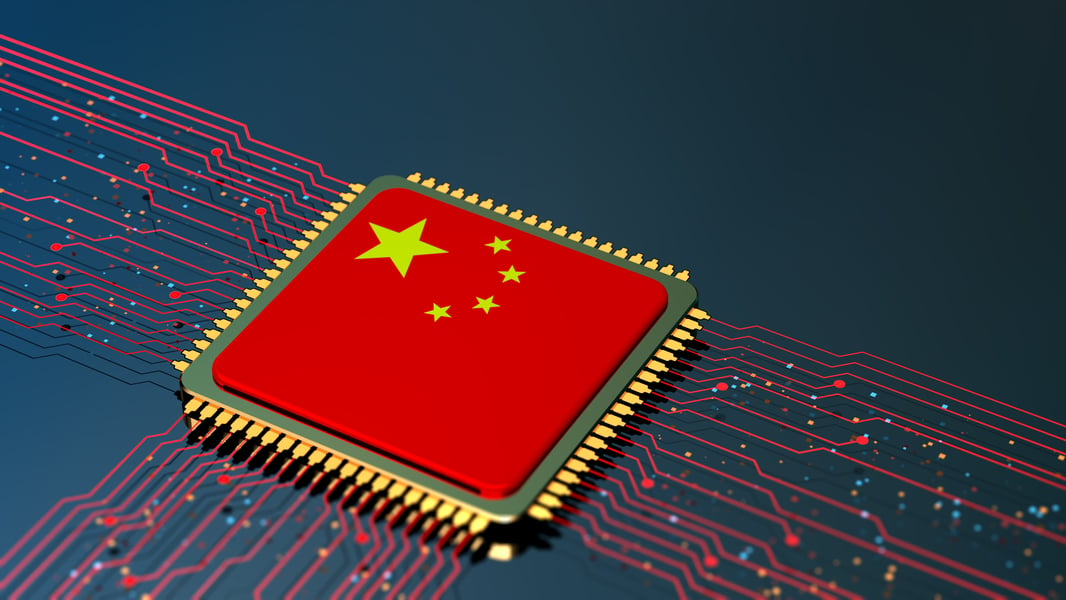
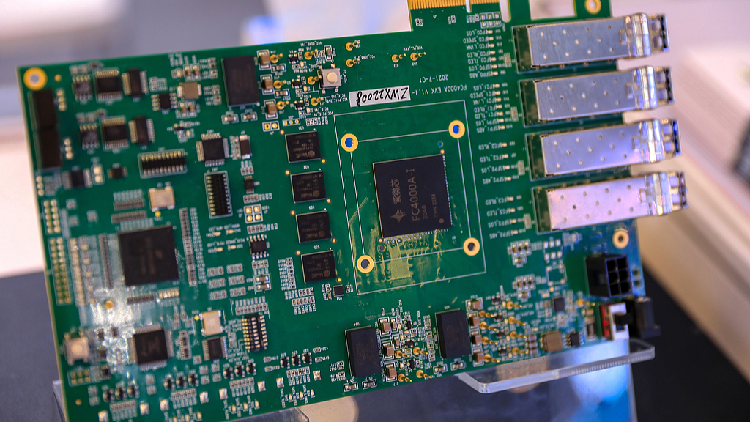
The headline export figure was striking. What was inside it was more revealing. Semiconductor exports climbed 129.8 percent year on year in August, the fastest rate recorded since the United States imposed export controls on advanced chips in late 2024. The data challenged the most direct reading of Washington’s technology containment strategy. US Commerce Department rules were designed to constrain China’s chip sector by cutting off access to advanced foreign equipment and design software. The August numbers showed that Chinese semiconductor makers had instead found buyers at an accelerating pace in Southeast Asia, the Gulf states, and Latin America, in markets that had not aligned themselves with the US export-control framework.
Beijing’s chip gains were not incidental. Over the prior 18 months, Chinese chipmakers redirected production toward markets with no restriction on Chinese-made semiconductors, particularly in the Gulf and across Indonesia and Vietnam, while domestic foundries scaled capacity with sustained state support. The question of whether Chinese chips match Western designs for advanced applications remains contested. What August did not leave contested was that demand for them is growing.
Automobile shipments carried parallel momentum. Vehicle exports rose 43 percent year on year, driven by electric vehicle demand from markets where Chinese brands spent two years establishing local assembly relationships. Brazil, Thailand, and several markets across sub-Saharan Africa absorbed Chinese EVs at record volumes in the third quarter, according to customs officials. BYD, SAIC, and Chery worked systematically to create supply-chain presences in countries where they faced no Western competitor with incumbent market share.
The semiconductor and automobile surges together answered the central question that has tracked China’s trade strategy since US and European tariffs began accumulating in 2023: where does China redirect its exports when established Western markets raise barriers? August’s data answered it with concrete figures. The Global South absorbed the diversion, and did so at accelerating pace.
As NBC News reported in its coverage of the release, China’s imports missed expectations as its economy faces mounting pressure to rebalance trade, a pressure the August figures reinforced rather than eased.
The divergence between export and import growth is among the widest China has logged in a decade. It narrows the People’s Bank of China’s policy options. Stimulus sufficient to lift household spending risks aggravating a property sector that remains under stress in a number of provincial markets. The government’s preferred instruments, including infrastructure spending and manufacturing subsidies, build export capacity rather than consumer demand, which means surpluses of this order may persist even if Beijing accelerates its rebalancing announcements.
EH’s coverage of South Korea’s August chip export data showed Korean semiconductor shipments at a record $46.7 billion, up 209 percent year on year, driven by AI server investment from Google and Amazon. The two data sets confirm that semiconductor demand across Asia has not softened; what is shifting is the geography of which supply chain captures the growth. China’s gains in the Gulf and Southeast Asia reflect a broader expansion of the market that Washington had not projected into its tariff calculations.
What August’s numbers do not answer is whether China’s import growth recovers enough to narrow the surplus from the other side. Beijing’s trading partners in the Global South are buying Chinese goods at scale. What they have not yet done is sell to China in volumes that would balance the relationship. That asymmetry is China’s version of the same structural imbalance Washington has spent a decade trying to correct from its own side of the ledger.