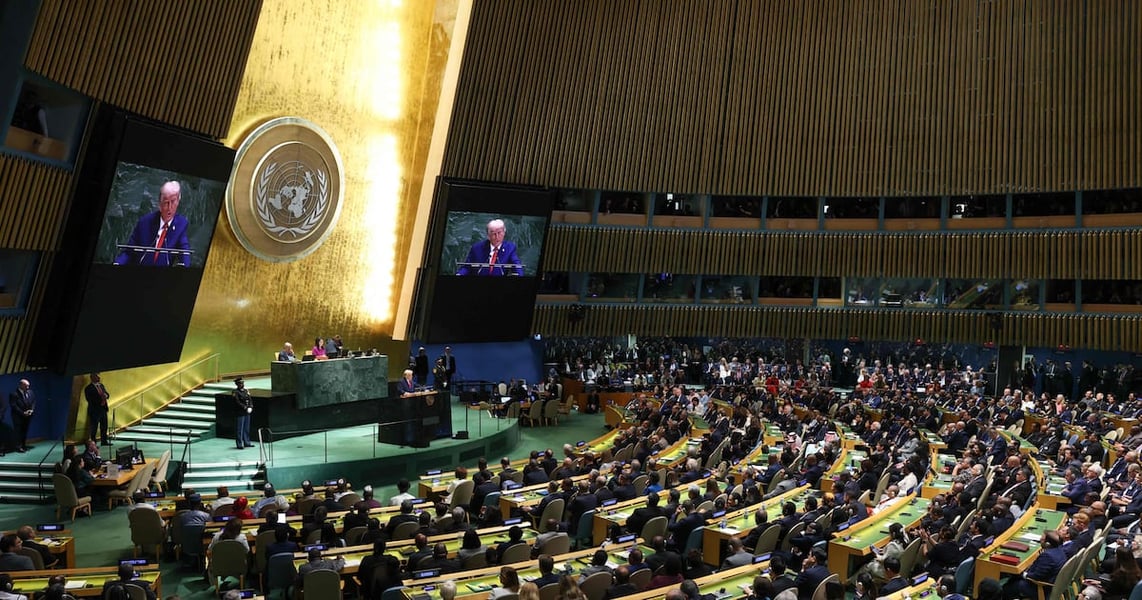

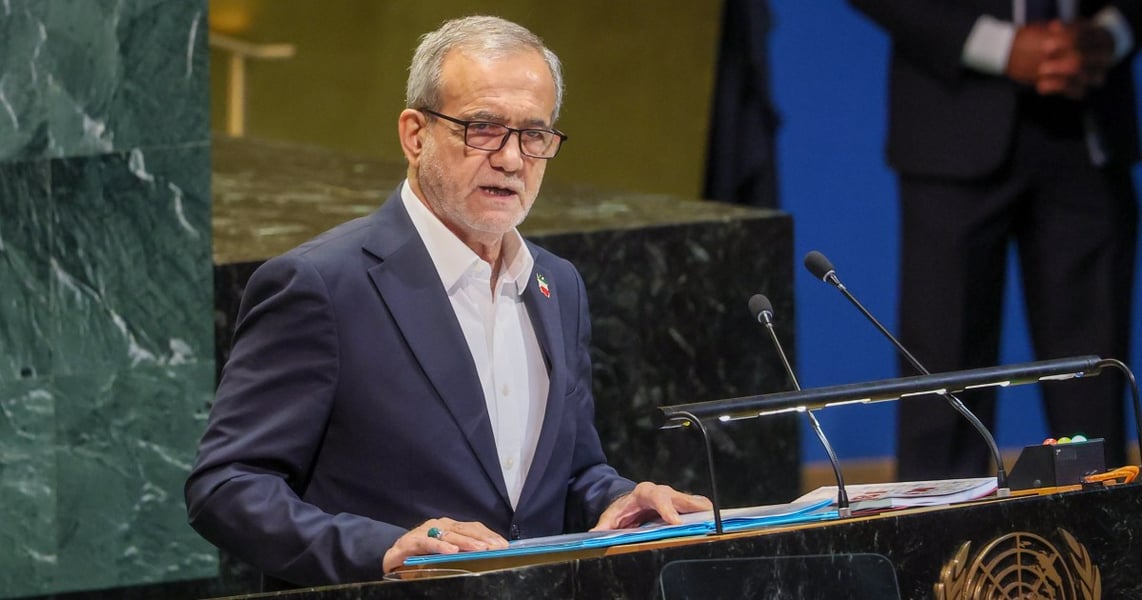
NEW YORK — The theme is “restoring trust.” The assembly president is from Bangladesh. The Palestinian leader who requested a visa to address the world body was turned away for the second consecutive year. The Iranian president whose country is at war with the United States is flying in anyway. And in the margins, Donald Trump will sit down with six Gulf monarchs to coordinate the next phase of a conflict the UN podium will be asked to treat as still subject to diplomacy.
The United Nations General Assembly’s 81st High-Level Week opens Monday in New York with roughly 130 heads of state and government registered to attend. The session is shaped less by who is present than by who isn’t, and by the deals being negotiated in corridors before the speeches begin.
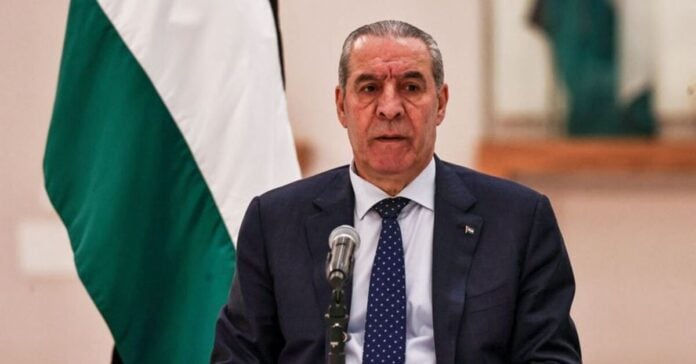
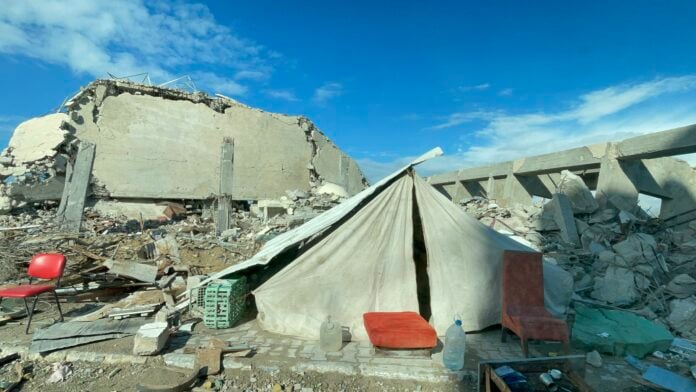
For the second consecutive year, Mahmoud Abbas, president of the Palestinian Authority and representative of a people whose death toll in Gaza now exceeds 75,000, was denied a US entry visa with no official explanation beyond State Department review procedures. The timing is difficult to separate from the broader American posture on Gaza: ceasefire agreements violated more than 4,379 times, the killing recognized as genocide by the International Criminal Court, and a Security Council veto count that has made Washington the lone obstacle to formal UN action. Abbas will address the assembly by pre-recorded video, a first for a sitting head of state at the General Assembly and an innovation born of exclusion.
The session’s theme, chosen by Assembly President Khalilur Rahman of Bangladesh, reads as an aspiration whose irony is unintentional. “Restoring Trust, Managing Transformation: A United Nations That Delivers for All” was the phrase he selected at the opening of the 81st session, framing it as a call for multilateralism in a period of institutional strain. The strain is real. Its most acute source is the systematic use of Security Council veto power to protect one member state’s military operations from accountability. That veto has blocked formal UN action on Gaza for two consecutive years.
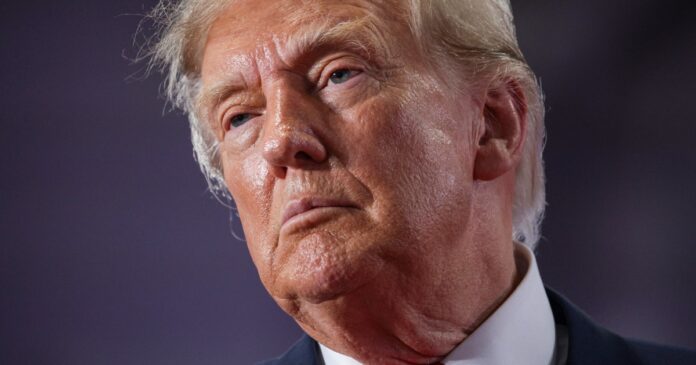
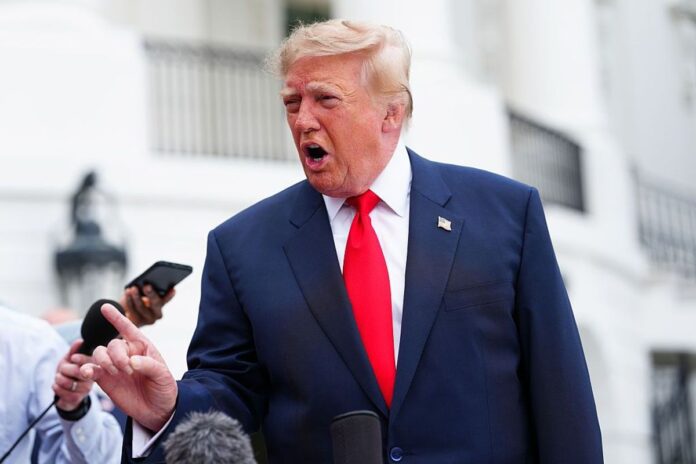
Trump arrives in New York not primarily to address the assembly but to work it. On Monday, he will sit down with all six leaders of the Gulf Cooperation Council: Saudi Crown Prince Mohammed bin Salman, UAE President Sheikh Mohammed bin Zayed, Qatar’s Emir Tamim bin Hamad, Bahrain’s King Hamad, Kuwait’s Emir Mishal Al-Ahmed, and Oman’s Sultan Haitham bin Tariq. The declared agenda is Iran, specifically coordinating the next stage of a conflict that has reshaped the Middle East since US and Israeli military operations against Iranian territory began earlier this year.
Also on the schedule: Trump is expected to sign the Greenland security agreement at the UN margins, a document granting the United States permanent military basing rights on the island while formally preserving Danish sovereignty. The signing, at the United Nations, of a deal that restructures control of a territory without its population’s direct participation has drawn more scrutiny in European capitals than in Washington.
Secretary-General António Guterres has scheduled a Climate Action Summit for Tuesday alongside the High-Level Week. The summit is not expected to produce binding commitments. Guterres has been vocal about the gap between the UN’s stated climate ambitions and the actual emissions trajectories of member states, but the structural constraints that have limited accountability on Gaza limit his leverage here in the same way.
Pakistan’s Deputy Prime Minister Ishaq Dar arrives Sunday with an agenda centered on Palestine and the Organisation of Islamic Cooperation.
The OIC has been among the most consistent institutional voices calling for a Gaza ceasefire and accountability through ICC mechanisms. Those efforts have produced resolutions and statements, but not a ceasefire.
The session runs through September 28. What it will not settle is whether diplomatic conversations in the corridors lead to anything beyond additional declarations.
The General Assembly lacks enforcement authority. U.S.–Iran contacts, a GCC coordination meeting, and the Greenland signing are all taking place at the U.N., but none depends on the institution’s formal architecture.
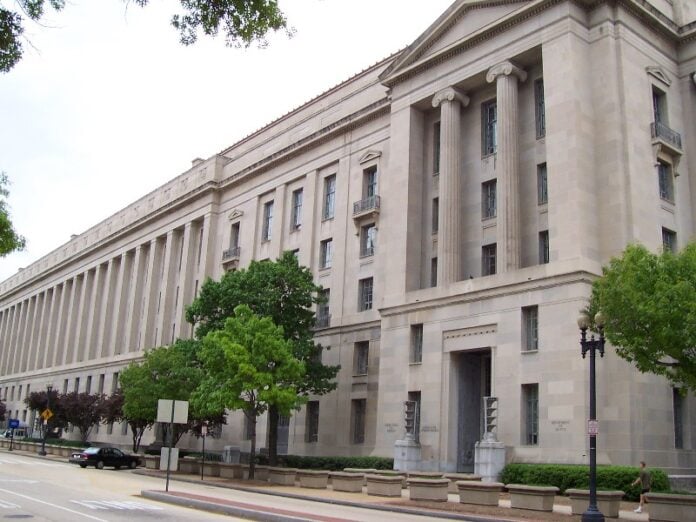
The building is the backdrop. The decisions are being made around it.
What the General Assembly reliably produces is a record. Every speech is archived. Every vote is tallied. The votes on Gaza, the procedural maneuvers, the vetoes, the abstentions, are a document of how each government has positioned itself on whether the killing constitutes genocide. That record, unlike the speeches, does not expire.