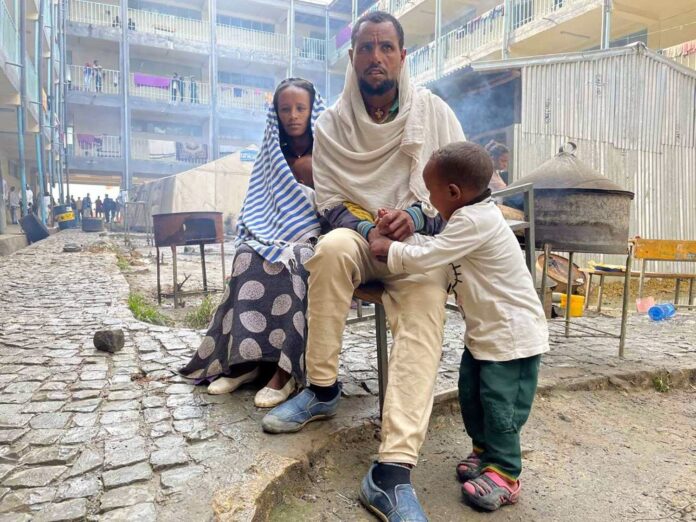
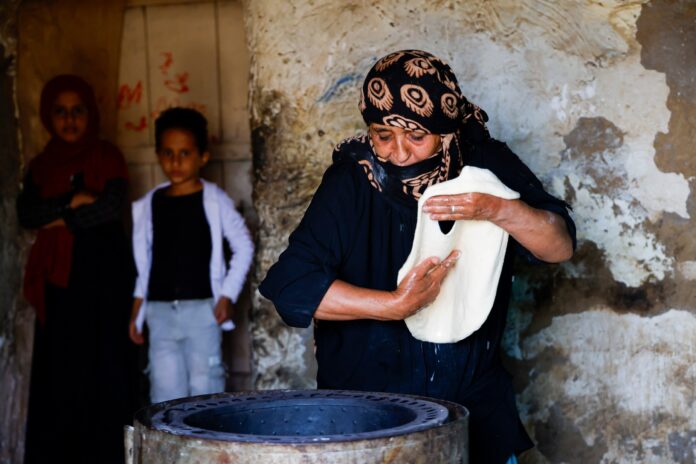
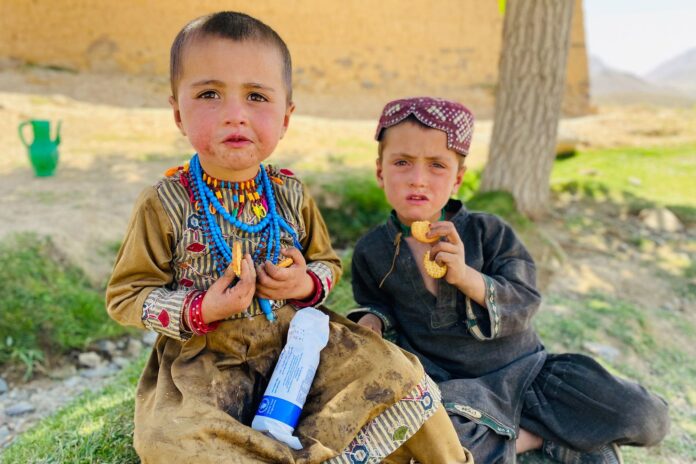
DJIBOUTI — Djibouti took in roughly 4,000 refugees from Yemen in a single week last month, more than half of them children, most in or near Obock, a fishing town of about 20,000 people. This month a migrant boat carrying 305 people sank north of Obock, bound the other way.
Jose Barahona, the UN resident coordinator in Djibouti, told Arab News that the situation is becoming “a perfect storm” and that “The trigger was when the conflict in Yemen extended to the port of Mokha.” The Houthis seized Mokha in September, the paper reported, then overran Yemen’s southwestern coast and islands near the Bab al-Mandab strait, as TEH reported when the Houthis seized Mayun Island. The International Organization for Migration says renewed fighting has displaced more than 200,000 people in Yemen, up from 82,000 in early September.
Arrivals in Djibouti jumped from about 20 to nearly 3,800 in four days during the first week of the escalation and have since slowed to a trickle. The strain has not. About 250,000 to 300,000 migrants, mostly from rural Ethiopia, pass through Obock each year, with roughly one in five moving in the opposite direction, and failed short rains have left a quarter of Obock’s host community at crisis or emergency levels of food insecurity.
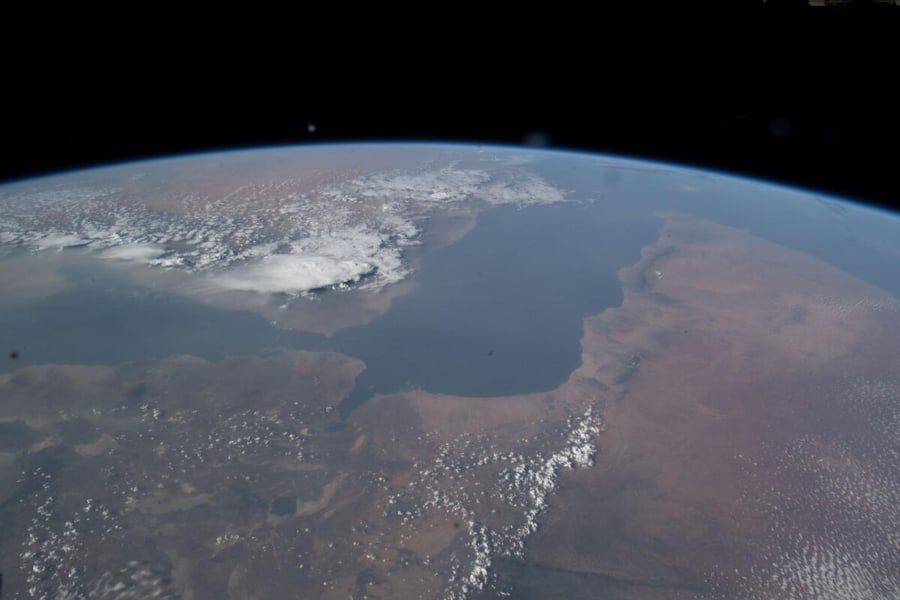
The boat sank on the night of October 8 to 9 near Guhere, north of Obock, Euronews reported, citing the IOM. At least 139 people died and 84 are missing; more than 80 survivors, all Ethiopian, were reported. “This is a devastating loss of life,” said Alexandre Coissac, the IOM’s chief of mission in Djibouti. The agency said poverty, insecurity and the growing impact of climate change drive many to attempt the crossing.
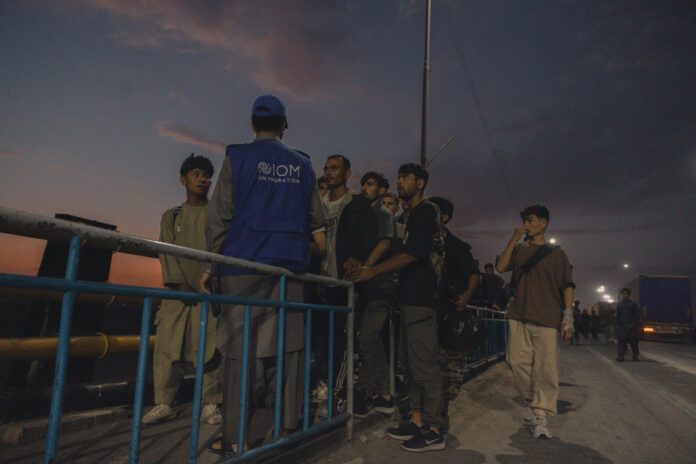
The money is not keeping pace. The appeal that UN agencies and the Djiboutian government issued on September 17 asks for about $7 million, and only $2.8 million has arrived, Arab News reported. “Globally, funding for development and humanitarian assistance is decreasing,” Barahona said. The IOM serves 1,500 hot meals twice daily, the UN refugee agency registers new arrivals, UNICEF repairs water systems and the World Food Programme distributes food. TEH has reported on the same displacement from the other side of the water, where Yemen’s cholera cases tripled as 200,000 fled fighting.
Barahona asked the international community to mobilize. Neither he nor the IOM says how many of Yemen’s displaced are expected to try the crossing next, or what the $4.2 million still missing from the appeal would buy first.