
LONDON — A day after the prime minister said Iran’s Revolutionary Guards almost certainly directed a suspected plot against RAF Fairford, the head of MI5 declined to say anything about the case, and Tehran answered by demanding the evidence.
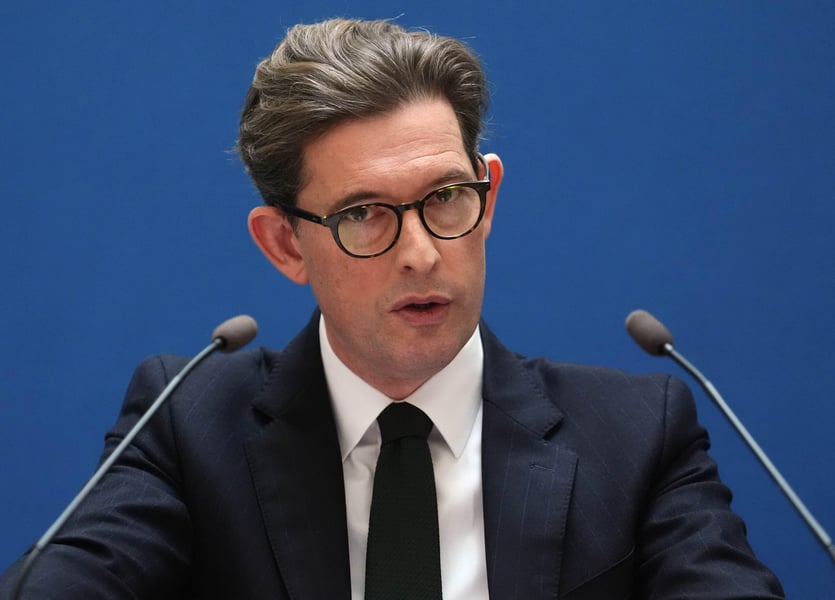
Sir Ken McCallum, MI5’s director general, used his annual threat update at Thames House on Tuesday to say that Iran has shifted toward “harder targets, like military sites.” On Fairford he cited ongoing investigations, called the case “not unique” and gave no details. According to CBS News, he did not himself say Iran directed it.
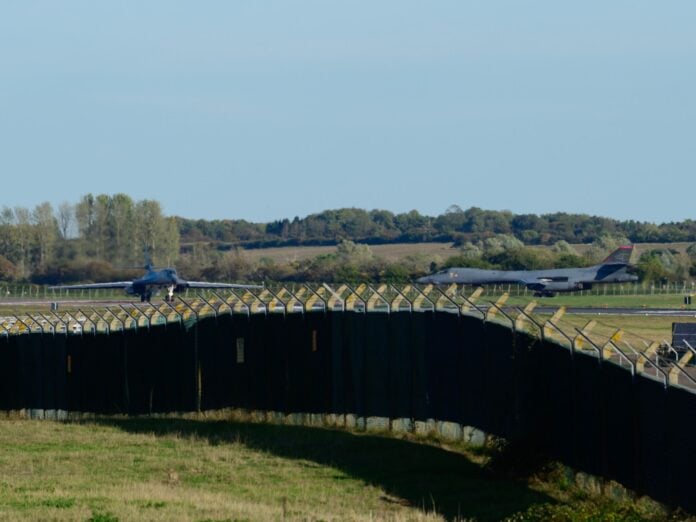
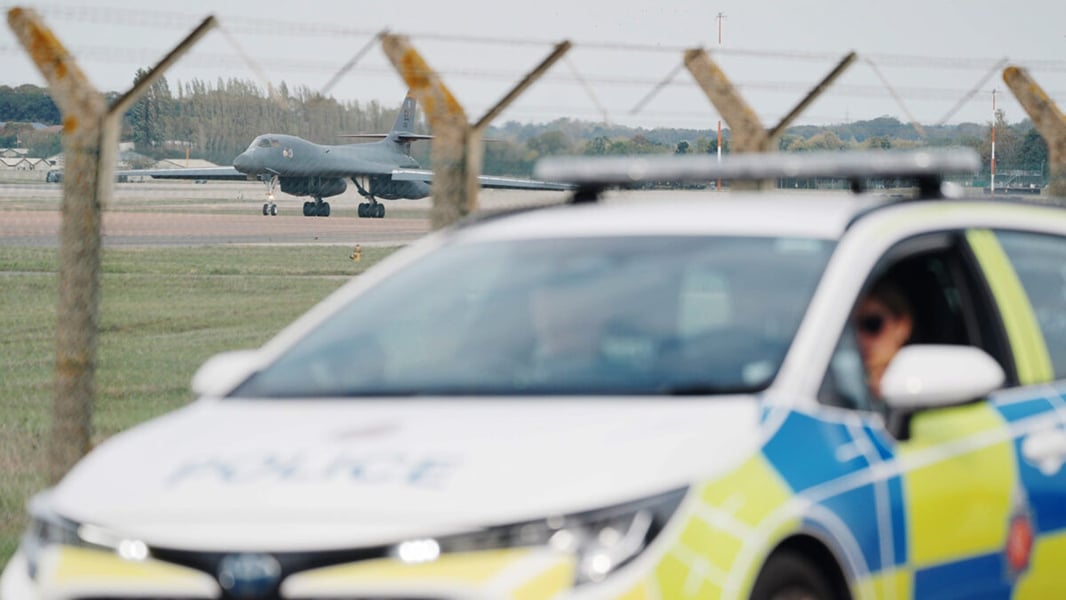
That leaves two official voices saying different things. Andy Burnham gave a verdict on Monday; the spy chief gave a trend on Tuesday. What is public about the underlying RAF Fairford plot is thin: five British men in their 20s were arrested after three vans were reported near the base on September 27, police found petrol but no explosives, and the men were released on bail. Two more arrests followed, including a British-Iranian national. No one has been charged, Al Jazeera reported.
McCallum’s own account of how Iran operates does not describe a state machine at the controls. Iran is “keen on subcontracting its U.K. violence” to criminal proxies, CBS News reported, and NBC News reported that so far Tehran has hired unsophisticated criminals, though he warned that could change. CBS added that not all suspected Iranian activity is easy to attribute to Tehran. He put the number of Iran-linked arrests in Britain over the past year at more than 50.
He also said much of the aggression had been aimed at British Jewish communities, with whom he expressed solidarity, and called the arson and sabotage “sickening acts.” Attacks on Jewish communities are crimes with victims whoever pays for them, and the speech leaves open who exactly carried them out and on whose instructions.
In Tehran, the foreign ministry summoned Britain’s ambassador, Hugo Shorter, on Tuesday. Alireza Yousefi, the assistant foreign minister for Western Europe, called the allegations “baseless accusations,” demanded that London provide evidence “as soon as possible” and warned Iran would “seriously reconsider” relations otherwise, Anadolu Agency reported, citing IRNA. Yousefi argued that Britain was using the claims to dodge responsibility for its part in US and Israeli strikes on Iran, a role EH has covered since Burnham approved UK bases for US strikes on Iran. Shorter said he would pass Iran’s position to British authorities.
Both governments are now arguing from documents neither has shown. Whether London hands Tehran anything, or shows the public more than a conclusion, is a question that neither Downing Street nor MI5 has answered.