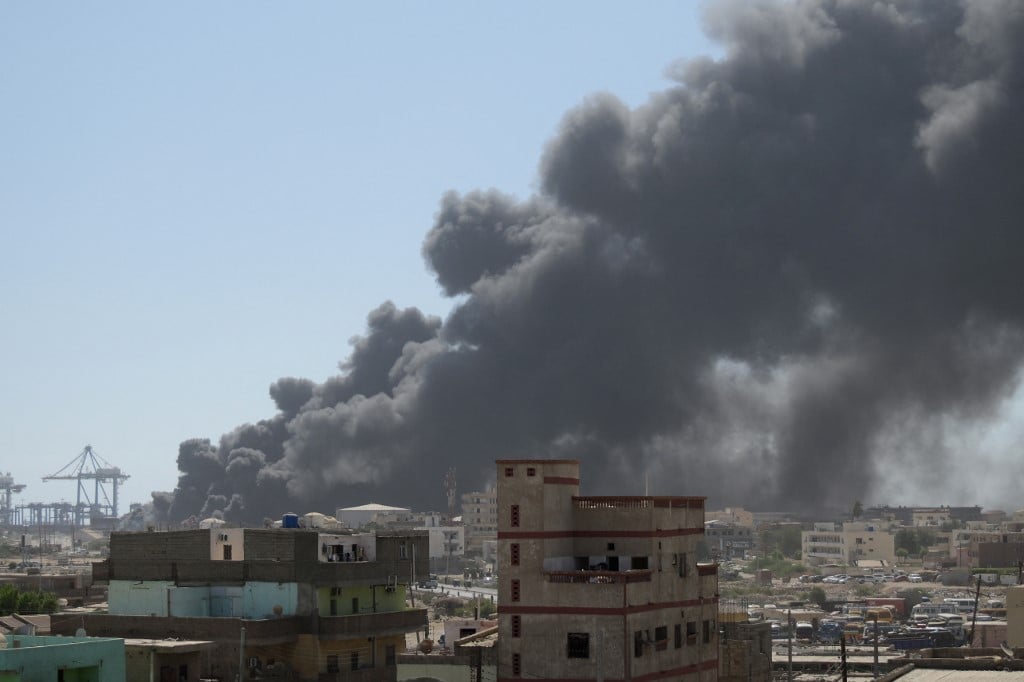
El Fasher, Sudan — The humanitarian crisis in Darfur has reached alarming levels as armed clashes between Sudanese government forces and the Rapid Support Forces (RSF) intensify. Thousands of civilians have been forced to flee their homes in El Fasher and surrounding towns, with many seeking refuge across the border in eastern Chad. The unfolding crisis underscores the fragility of peace in the region and the dire consequences for ordinary citizens.
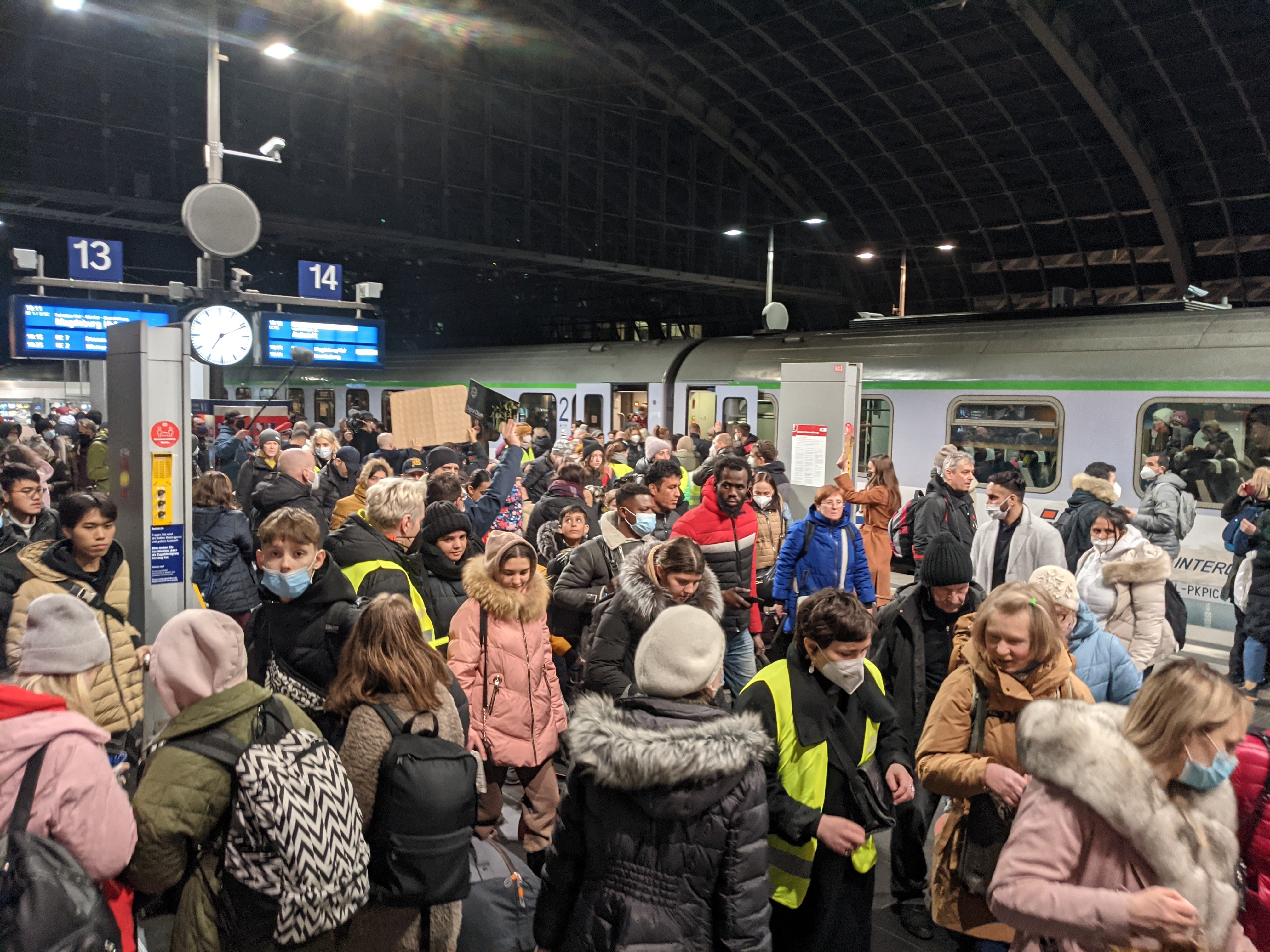
According to the United Nations High Commissioner for Refugees (UNHCR), over 45,000 Sudanese have crossed into Chad in the past month alone, a number expected to rise sharply, echoing reports of a massive refugee surge into Chad. Relief agencies report that the border towns of Adré and Gaga are now witnessing overcrowded camps, limited food supplies, and strained medical facilities, a situation described as Sudan war’s humanitarian spillover into Chad.
Many refugees arrive traumatized and separated from male family members, often leaving behind elderly relatives or infirm loved ones who cannot travel, reflecting RSF attacks on women in the region. The United Nations Population Fund (UNFPA) highlights rising protection and health risks among displaced populations, particularly affecting women and children.

The situation in El Fasher itself is dire. Reports indicate that children are trapped and starving in besieged areas, with severely limited access to food and medical care. According to UNICEF, the siege has left thousands of children vulnerable to malnutrition and disease. Humanitarian agencies note that humanitarian needs deepen amid hostilities across the region, with aid delivery hampered by ongoing violence.
The RSF has been accused of numerous atrocities, including kidnappings, ransom killings, and drone strikes targeting civilian areas. Such attacks contribute to a broader humanitarian collapse in El Fasher, pushing more families into displacement. International observers have documented RSF war crimes and sexual violence, compounding the vulnerability of refugees.
Neighboring Chad, already hosting a substantial refugee population, faces severe challenges as camps reach capacity. Reports confirm that Chad is hosting large numbers of Sudanese refugees in overcrowded settlements, with urgent needs for clean water, food, and medical services. Relief organizations such as the International Rescue Committee warn that the humanitarian situation is at breaking point.
The health situation in refugee camps is equally alarming. Limited sanitation and water shortages have led to health and disease outbreaks among displaced, including respiratory infections, diarrhea, and suspected cholera cases. Humanitarian agencies have called for urgent medical support to prevent further loss of life.
Experts warn that the crisis is compounded by geopolitical factors, with reports pointing to external support fueling RSF militias. Foreign involvement in the Darfur conflict has been cited as a significant driver of violence and displacement, with many civilians bearing the brunt of ongoing hostilities. As noted in previous reporting, foreign involvement in Darfur conflict has exacerbated the humanitarian toll.
The situation remains dire, with widespread reports of sexual violence, killings, and attacks on civilians. International news sources confirm rising violence against civilians in El Fasher, further fueling displacement. The global significance of the crisis is underscored by reporting that Sudan tops humanitarian crises watchlist.
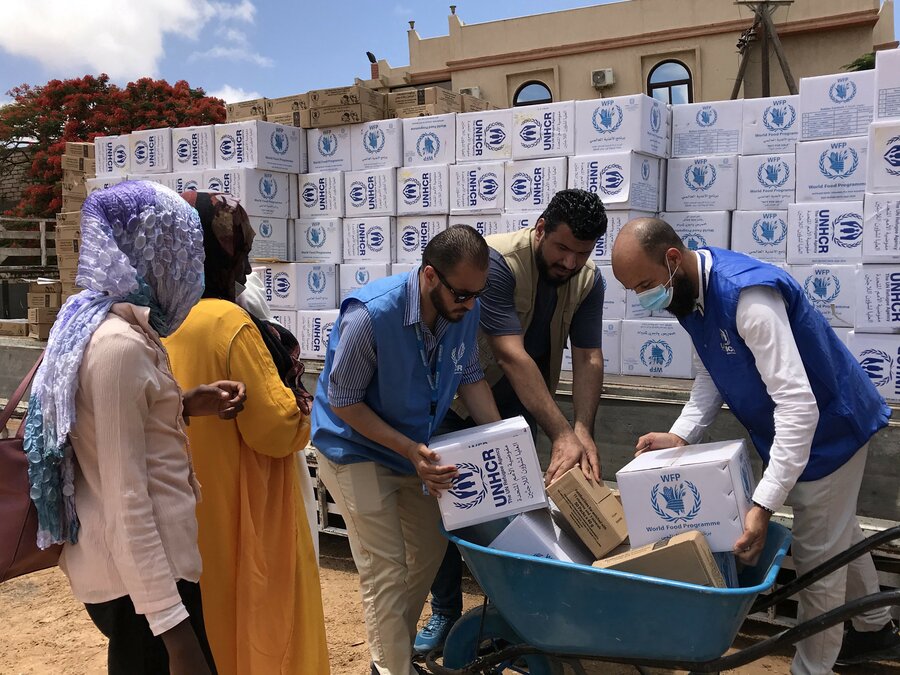
Humanitarian agencies, including UNICEF, UNHCR, UNFPA, WHO, and NGOs such as IRC and MSF, continue to provide aid where possible, but access remains limited, and resources are stretched thin. The unfolding situation in El Fasher and the refugee camps in Chad represents a humanitarian emergency requiring immediate and sustained international support.
As the conflict continues, the plight of displaced families underscores the urgent need for peace, protection of civilians, and robust humanitarian intervention to prevent further tragedy in Sudan and across the border in Chad.